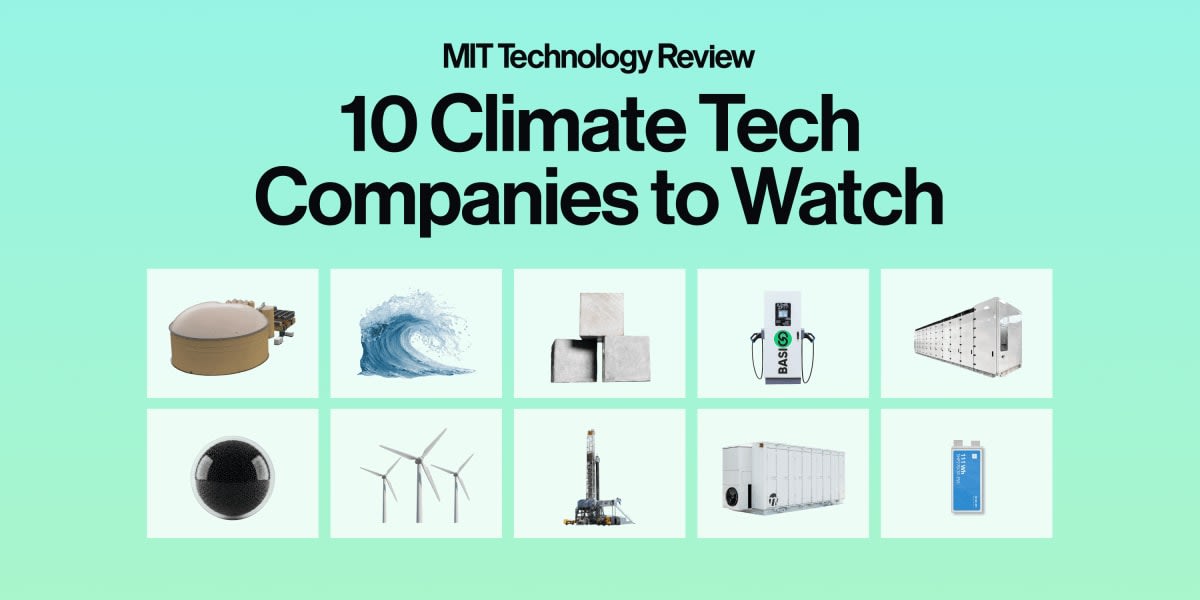
The convergence of climate innovation and enterprise digital strategy has shifted from a peripheral corporate social responsibility (CSR) goal to a core driver of operational efficiency. As we look at the current landscape of high-impact climate technology, it is clear that the companies poised to define the next decade are those successfully integrating deep-tech hardware with sophisticated software layers. For business leaders, the opportunity is no longer just about "going green"—it is about building resilient, data-driven infrastructures that hedge against energy volatility and regulatory pressure.
The maturity of these climate tech firms signals a pivotal shift in how we approach resource management. We are moving beyond the era of static reporting and into an era of real-time, automated resource optimization.
The Architecture of Next-Gen Climate Solutions
The most promising players in the climate tech space today are characterized by their ability to treat environmental variables as data inputs. Whether it is carbon capture, long-duration energy storage, or grid modernization, the value proposition is increasingly tied to predictive modeling and autonomous optimization.
Consider the following trends currently reshaping the industrial tech stack:
- Data-Driven Decarbonization: Modern climate tech is no longer just about the physical technology; it is about the software that orchestrates it. Companies are leveraging high-fidelity sensor networks to provide granular visibility into emissions, allowing firms to pivot from annual ESG reports to daily operational adjustments.
- Decentralized Resource Management: Through the deployment of smart grids and microgrids, companies are gaining the ability to manage their own energy consumption with the precision of a high-frequency trading platform.
- Predictive Maintenance and Efficiency: Climate tech companies are increasingly embedding AI models directly into physical infrastructure. By predicting wear-and-tear or energy leakage before it occurs, these technologies are significantly lowering the Total Cost of Ownership (TCO) for heavy industry players.
For the modern enterprise, these advancements translate to a significant Return on Investment (ROI). When energy usage is treated as a manageable data stream rather than an uncontrollable overhead cost, the bottom-line impact is immediate. By integrating these systems into existing Enterprise Resource Planning (ERP) or Customer Relationship Management (CRM) architectures, leadership can track the environmental footprint of specific client portfolios or product lines with unprecedented accuracy.
Bridging the Gap Between Innovation and Adoption
The primary hurdle for many organizations remains the integration of these cutting-edge tools into legacy systems. Digital transformation is rarely a "rip and replace" endeavor; rather, it is about connecting disparate data silos. The companies to watch—those pushing the boundaries of climate tech—understand that adoption is only successful if it reduces friction.
We are observing a shift toward modularity. Instead of requiring companies to overhaul their entire energy infrastructure, the next generation of climate tech providers offers "add-on" layers that sit atop existing systems. These layers often utilize AI Agents to autonomously negotiate energy pricing, optimize HVAC usage based on weather patterns, or manage supply chain logistics to minimize transportation emissions.
From an organizational standpoint, the adoption of these technologies is not merely a hedge against future carbon taxes; it is a competitive differentiator. Investors are increasingly looking at "carbon efficiency" as a proxy for operational excellence. If a company can produce the same output with 20% less energy expenditure, they are objectively a more efficient business. The integration of Automation in this space allows for a "set it and forget it" mentality regarding compliance and sustainability reporting, freeing up human capital to focus on strategic growth rather than manual data reconciliation.
To successfully navigate this transition, business leaders must prioritize two areas: data interoperability and systemic intelligence. You cannot optimize what you do not measure, and you cannot scale what you cannot automate.
The Path Forward: Intelligence as the Default
As we look toward the next five years, the integration of climate technology will resemble the evolution of the cloud. Initially seen as a specialized utility for tech-forward firms, it will eventually become the underlying fabric of every business process. Companies that act early to adopt intelligent energy management systems will benefit from lower utility costs, improved brand equity, and a significantly higher level of regulatory readiness.
The future of business sustainability lies in the ability to bridge the gap between abstract climate data and concrete operational workflows. Organizations that prioritize digital agility will be the ones that turn environmental constraints into a catalyst for operational innovation.
The shift toward sustainable, data-backed operations requires more than just high-quality technology—it requires the seamless integration of that technology into your unique business processes. At AOODAX, we specialize in building custom AI agents that can help your team automate complex workflows, ensuring that your sustainability metrics are as accurate and actionable as your financial KPIs.


