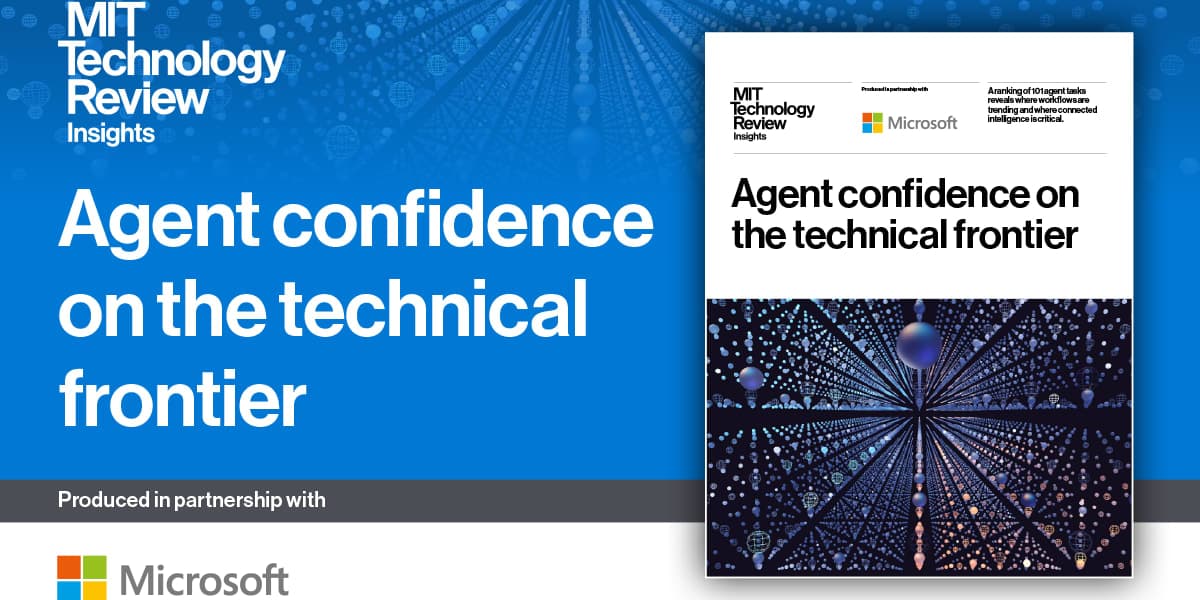
The frantic pace of early enterprise AI adoption is finally yielding to a more sober, disciplined phase. For the last eighteen months, the corporate narrative was defined by exploration—a “let’s see what this can do” approach characterized by sandbox experiments and disjointed pilot programs. However, as we approach the 2026 horizon, the mandate from the boardroom has shifted from innovation for innovation’s sake to the hard, unyielding pursuit of Return on Investment (ROI).
The focus of this transition is the shift from passive generative models toward Agentic AI. Unlike standard LLMs that wait for a prompt to draft a summary or write code, agentic systems are designed for autonomy. They function as digital employees capable of reasoning, planning, and—most importantly—executing multi-step workflows across an organization’s tech stack. For the modern enterprise, this is no longer a luxury; it is the infrastructure of future competitiveness.
The Architecture of Autonomous Value
The transition to agentic frameworks is fundamentally changing how we perceive Digital Transformation. Historically, automation was rigid—if the data didn't perfectly align with a pre-programmed logic gate, the process stalled. Agentic AI breaks this paradigm by introducing contextual awareness and iterative problem-solving. When an AI agent is deployed, it isn’t just processing a single request; it is navigating the nuances of complex business processes.
Take the integration of AI within a Customer Relationship Management (CRM) platform. In the past, CRM automation was limited to simple triggers, such as sending an email when a lead moved to a new stage. Today, an agentic system can analyze historical lead behavior, cross-reference it with real-time market data, proactively reach out to the prospect with a tailored value proposition, and update the internal forecast—all without human intervention. This shift represents the difference between "doing digital" and "being digital."
For leadership teams, the implications for operational efficiency are profound:
- Reduction in Latency: By removing the "human-in-the-loop" bottleneck for routine decision-making, cycles that previously took days are compressed into seconds.
- Scalable Expertise: Agents can be trained on the specific methodologies of a company’s top performers, effectively replicating high-value tribal knowledge across the entire organization.
- Operational Resilience: Agents operate 24/7 without fatigue, ensuring that backend systems remain synchronized across time zones and global departments.
The move toward these systems is driving a trend we might call "Precision Orchestration." Organizations are moving away from monolithic, platform-heavy AI strategies toward modular, agent-led frameworks that prioritize specific outcomes, such as decreasing customer churn by 15% or reducing administrative overhead in supply chain management.
Navigating the Technical Frontier
As organizations scale their AI initiatives, the primary challenge is no longer about the capability of the models, but rather the integration of these agents into the existing enterprise architecture. This is where the concept of Agent Confidence becomes paramount. For a business to entrust an agent with executing transactions or interacting with clients, there must be a measurable framework for evaluating performance, safety, and reliability.
We are currently seeing three major adoption trends shaping how companies approach this frontier:
- The Human-in-the-Loop Safeguard: Even in highly autonomous environments, senior leaders are instituting "verification gates." These ensure that agents act within defined risk parameters, only escalating to human intervention when uncertainty scores cross a specific threshold.
- Domain-Specific Tuning: Companies are moving away from generic, "off-the-shelf" models toward custom-tuned agents that understand the company’s unique vocabulary, security protocols, and proprietary workflows.
- Cross-Platform Interoperability: A major hurdle in automation has historically been "siloed data." Modern agentic architecture is designed to act as a glue, bridging the gap between legacy ERP systems, cloud-native CRM platforms, and modern communication suites.
Executives who wait for the technology to fully mature before beginning integration are likely to find themselves at a significant disadvantage. The leaders who succeed in the 2026 inflection year are the ones currently investing in the data hygiene and process mapping necessary to support agentic workflows. They recognize that an agent is only as effective as the data it has access to.
Strategic Takeaways for the Future
If 2024 and 2025 were the years of the pilot, 2026 will be the year of the production-grade agent. The goal for any enterprise leader is to identify the "friction points" in the business—those areas where headcount is diverted toward repetitive, high-volume tasks that require just enough decision-making to evade standard automation.
To prepare, organizations should focus on:
- Auditing Workflows: Identify processes that currently require significant manual navigation between software applications. These are the prime candidates for agentic automation.
- Quantifying the Outcome: Move beyond vanity metrics (e.g., number of prompts generated) toward bottom-line outcomes (e.g., time-to-resolution, cost-per-case, or increased lead conversion).
- Prioritizing Security and Governance: As agents gain more autonomy, the security layer becomes the most critical component of your AI stack. Ensure your agentic framework has robust, transparent logs and audit trails.
The shift toward autonomous agents is not merely a technological upgrade; it is a fundamental reconfiguration of the enterprise value chain. Those who view these agents as partners in productivity rather than just software tools will be the ones to define the next era of industrial and digital productivity. By aligning your technology stack with clear, measurable business objectives, you transform AI from an experimental line item into a powerhouse of sustainable growth.
At AOODAX, we bridge the gap between abstract AI potential and concrete business impact. Our team specializes in deploying custom AI agents that integrate seamlessly with your existing infrastructure to optimize complex workflows and drive measurable efficiency.