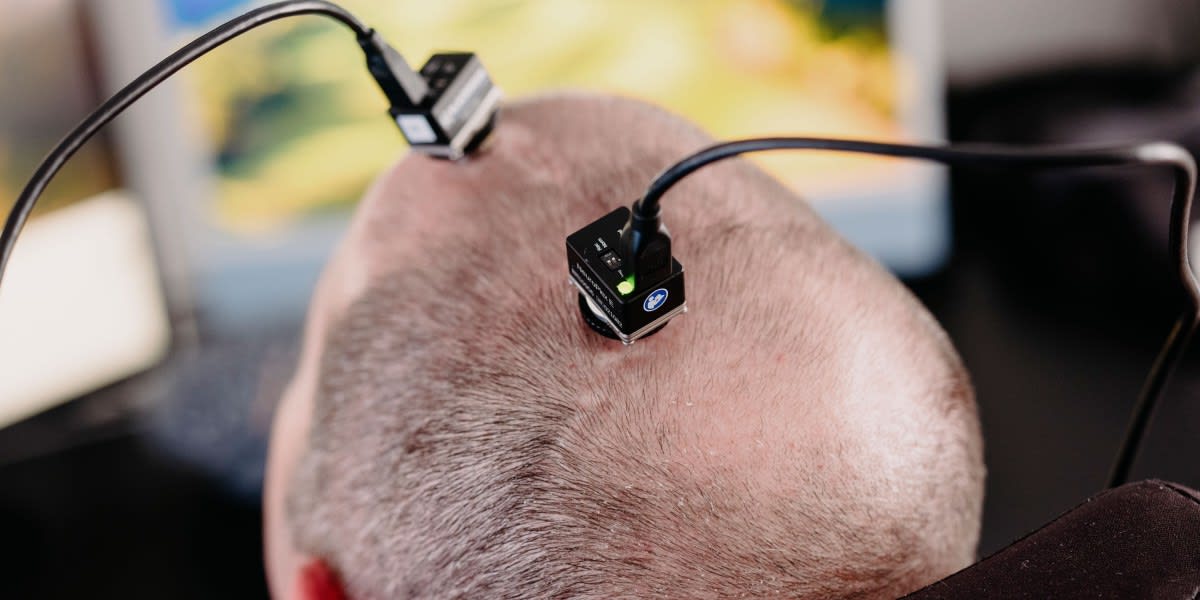
The integration of Brain-Computer Interfaces (BCI) is no longer the stuff of speculative fiction; it is becoming a cornerstone of human-machine collaboration. Recent breakthroughs involving patients with amyotrophic lateral sclerosis (ALS), such as the successful implementation of high-precision electrode arrays, demonstrate that we have entered the era of the "power user" in neural computing. By bypassing traditional physical input methods, these systems allow users to translate neural intent directly into digital text at unprecedented speeds.
For the enterprise landscape, this represents the ultimate frontier of Digital Transformation. While these clinical applications focus on restoring human agency, the underlying mechanics—intent-based data input—offer a glimpse into the future of how we will interact with complex enterprise software, AI agents, and global data infrastructures.
From Clinical Breakthrough to Enterprise Utility
The mechanics of current BCI technology rely on decoding neural patterns into natural language. For business leaders, the implication is a paradigm shift in Human-Computer Interaction (HCI). Historically, we have been limited by the "bandwidth" of our input devices: keyboards, mice, and touchscreens. As BCIs move toward more scalable, lower-latency hardware, we are looking at a future where the cognitive gap between an idea and its execution in an ERP (Enterprise Resource Planning) or CRM (Customer Relationship Management) system vanishes.
Key trends currently shaping this field include:
- Latency Reduction: Moving from delayed, interpreted signals to real-time, high-fidelity neural processing.
- Edge AI Integration: Processing neural data locally to ensure privacy and reduce the dependence on heavy cloud infrastructure.
- Predictive Intent: Utilizing machine learning models to anticipate user requirements, drastically reducing the number of manual steps required to execute administrative tasks.
ROI and the Future of Human-Centric Automation
While BCI hardware remains in its early stages of deployment, the broader trend is toward Hyper-Automation. Businesses that are currently investing in AI-driven workflows are already laying the foundation for this next wave. By optimizing internal processes and training Large Language Models (LLMs) on proprietary company data today, firms are preparing for a future where input is no longer just "command-based" but "intent-based."
For an organization, the ROI of these advancements lies in removing the "friction of execution." Imagine a workflow where a business analyst doesn't need to navigate five dashboards to pull a quarterly report but can initiate the process through a seamless, automated loop triggered by high-level intent. This level of synchronization is where digital transformation meets physical reality, offering a significant competitive advantage in industries ranging from logistics to high-stakes financial analysis.
As we look toward the next decade, the most successful companies will be those that prioritize interface-agnostic systems. The goal should not be to build for today’s screens, but to build architectures capable of ingesting high-intent data from any source—be it a voice assistant, a traditional terminal, or eventually, advanced neural interfaces.
If your organization is looking to streamline complex workflows, AOODAX specializes in developing custom AI agents that can automate high-level decision-making processes, ensuring your digital infrastructure is prepared to integrate with the next generation of intuitive human-machine interfaces.