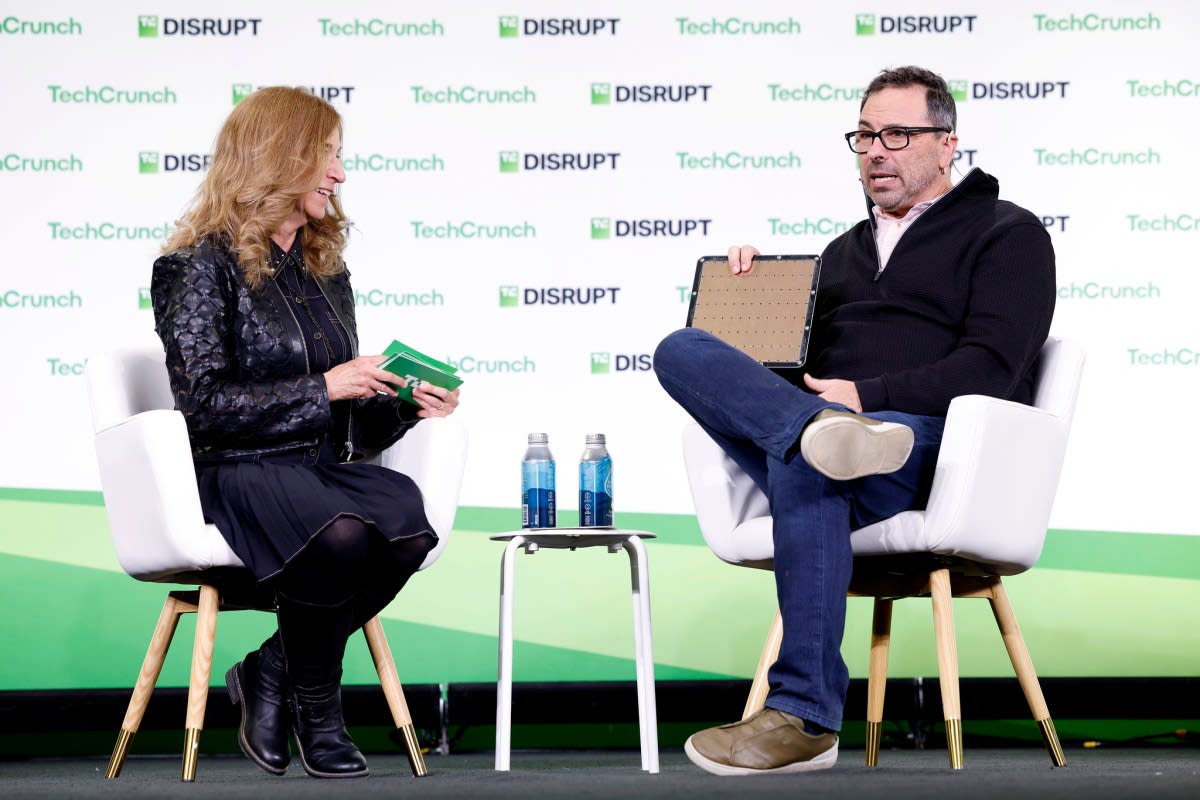
The paradigm of artificial intelligence is currently undergoing a structural shift. For the past two years, the enterprise narrative has been dominated by massive, centralized Large Language Models (LLMs) accessed via the cloud. However, the next frontier is not found in a gargantuan data center, but rather in the architecture of the "edge"—the devices sitting on our desks and in our homes. Industry leaders, including Cerebras Systems CEO Andrew Feldman, are increasingly pointing toward a future where sophisticated, personalized AI is not merely a remote service, but a constant, localized presence.
This transition marks a move away from purely cloud-dependent infrastructure toward a hybrid model that promises to redefine how businesses operate and how consumers interact with their digital environments. For the executive leadership team, this is not just a hardware trend; it is a fundamental reconfiguration of the digital workforce.
The Hybrid Architecture: Localized Intelligence and Enterprise Scale
The current state of AI implementation relies heavily on centralized compute. When a user queries a chatbot, that request travels to a server farm, processes, and returns—a workflow that introduces latency, security vulnerabilities, and exorbitant costs at scale. The vision for the near future involves a bifurcated approach: sensitive, low-latency processing occurs on local hardware, while complex, compute-intensive tasks remain in the cloud.
This shift to local AI offers several distinct advantages for the modern enterprise:
- Data Sovereignty: By keeping sensitive customer interactions and proprietary data processing on edge devices, companies can significantly reduce their exposure to data breaches and compliance risks associated with transmitting data over public networks.
- Reduced Latency: Local processing allows for instantaneous responses. In sectors like customer service or real-time diagnostic analysis, milliseconds matter. A personal AI agent that runs on-premises can react to inputs without the bottleneck of cloud traffic.
- Cost Optimization: Relying on the cloud for every minor inference is unsustainable as AI usage scales. Distributing the workload to local infrastructure allows firms to optimize their cloud spend, reserving expensive GPU clusters for high-value tasks while handling routine operations locally.
From an ROI perspective, this move toward local-first AI is a defensive and offensive strategy. Companies that successfully architect their workflows to leverage localized models will find that they are not only more resilient to network outages but also better positioned to manage the ballooning costs of massive-scale inference.
Transforming the Digital Workforce through AI Agents
The most tangible application of this impending ubiquity is the emergence of the personal AI agent. Unlike the passive, query-based chatbots of today, the next generation of agents will be autonomous, proactive, and context-aware. In an enterprise environment, these agents will act as a digital layer between the employee and their tool stack, integrating directly with Customer Relationship Management (CRM) systems and enterprise resource planning software.
Consider the typical sales or support professional. Currently, they spend a significant portion of their day toggling between browser tabs, updating records in a Salesforce or HubSpot environment, and cross-referencing information from emails. A localized AI assistant changes this dynamic by acting as an omnipresent layer that understands the context of a client conversation and autonomously executes the necessary administrative tasks.
The move toward "personal AI for everyone" will likely follow a similar trajectory to the adoption of the smartphone or the cloud itself. It begins as a premium, high-performance tool for power users and gradually migrates into the standard tech stack for every employee. Adoption trends suggest that the firms most likely to succeed in this environment are those that prioritize digital transformation as an integration exercise—viewing AI not as a separate software product, but as an invisible glue that binds their existing workflows together.
Strategic Implications for the Enterprise Leader
For business leaders, the takeaway is clear: the era of the "Generalist AI" is evolving into the era of the "Contextualized Assistant." The strategic imperative for the next 18 to 24 months is to audit your data infrastructure. Can your current workflows support a model that lives, in part, on the edge? Are your CRM and internal databases structured in a way that allows an autonomous agent to securely read and write data without manual oversight?
The goal of this transition is the elimination of friction. When AI sits on the local device, it observes the patterns of work in real-time. It learns that "User A" typically updates project statuses on Tuesday mornings, or that "User B" requires a specific summary format for client meetings. By moving these agents from the cloud to the immediate workspace, the barrier between intent and execution disappears.
However, moving toward this future requires careful planning. It is not sufficient to simply deploy a model; companies must ensure that their underlying software architecture is flexible enough to accommodate localized inference. This involves moving away from monolithic, siloed systems and toward modular architectures that can "talk" to local agents effectively.
As we look toward this horizon, it is evident that the companies winning in this space will be those that view AI as a foundational, ambient layer of their business operations. Whether it is managing sophisticated CRM data flows or automating repetitive internal communication, the intelligence should be where the work happens. At AOODAX, we specialize in helping businesses navigate this transition by architecting custom AI agents that integrate seamlessly with your existing infrastructure, ensuring your team is equipped for the next stage of automated productivity.