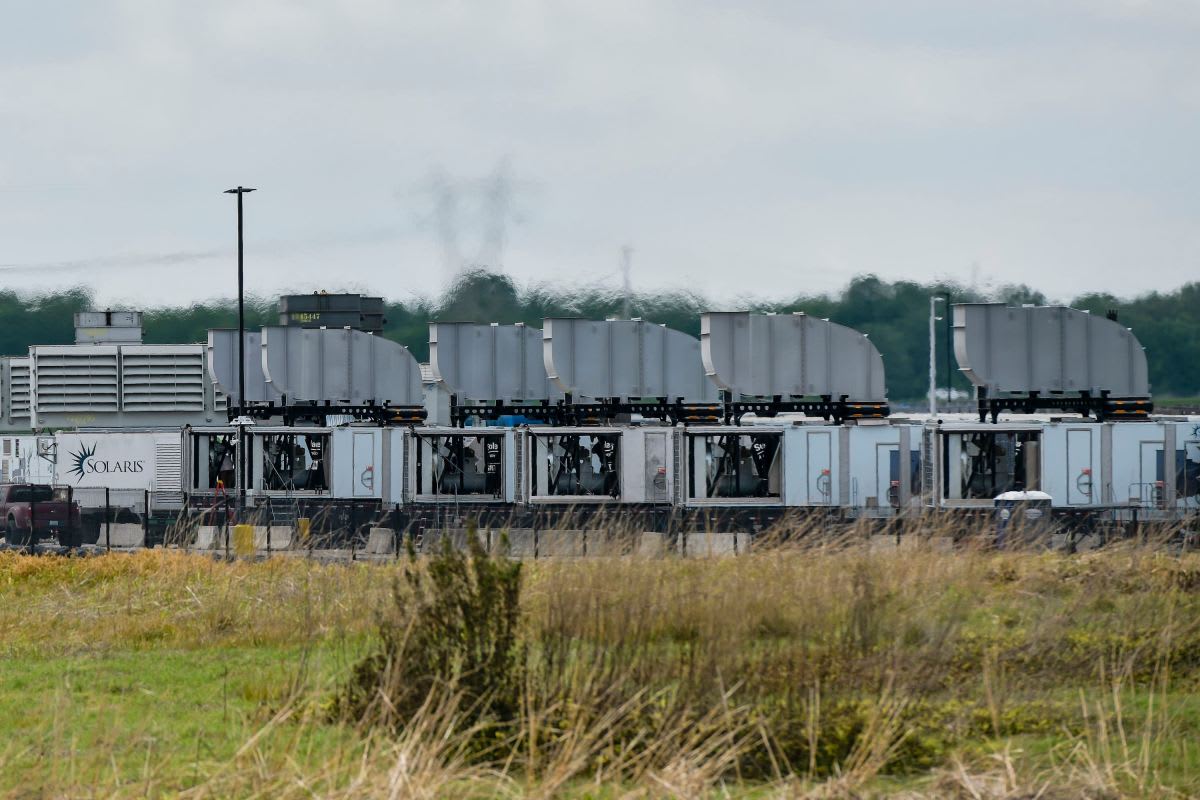
The rapid acceleration of generative AI has moved beyond the realm of software and into the physical world, bringing with it a collision between cutting-edge computational demands and existing infrastructure regulations. Recent developments involving xAI and its reliance on unpermitted gas turbines in Memphis highlight a critical bottleneck for the industry: the massive energy requirements of hyper-scale data centers are outstripping the speed of local utility and regulatory frameworks.
The Energy-Compute Bottleneck
For business leaders, the takeaway is clear: the path to achieving a competitive advantage through AI is no longer just about model architecture; it is about power procurement. The Department of Justice’s intervention regarding these gas turbines underscores that national and economic security are now inextricably linked to the energy density of our digital infrastructure. When AI hardware—specifically the massive clusters required for Large Language Models (LLMs)—cannot wait for standard utility grid upgrades, companies are forced to seek decentralized, often non-traditional, energy solutions.
This situation presents three significant implications for firms scaling their AI operations:
- Regulatory Friction: As AI clusters grow, the scrutiny on environmental compliance and energy usage will intensify, potentially delaying the deployment of enterprise-grade AI agents and automation pipelines.
- Infrastructure Dependency: The shift toward on-site power generation indicates that companies may need to treat energy reliability as a core component of their tech stack, rather than an outsourced utility.
- Operational Risk: Reliance on unpermitted or ad-hoc power solutions introduces long-term uncertainty that can disrupt the uptime required for mission-critical business processes.
Scaling AI Without Infrastructure Debt
While companies like xAI navigate the geopolitical and environmental complexities of custom power infrastructure, the broader market is learning that efficiency is the ultimate hedge against energy scarcity. The trend is moving away from "brute force" computation toward more refined, specialized AI workflows.
Businesses that want to avoid the regulatory and infrastructure headaches associated with massive, centralized data centers are increasingly turning to Edge AI and optimized model deployment. By leveraging smaller, highly efficient models tailored for specific business domains, firms can achieve significant Return on Investment (ROI) without the massive energy footprint of general-purpose foundation models. This approach not only aligns with sustainability goals but also accelerates digital transformation by making AI agents more responsive and less resource-heavy.
As we look toward the next phase of enterprise AI adoption, the companies that succeed will be those that balance performance with modularity. Relying on massive infrastructure isn't the only way to innovate; often, the most effective strategy involves integrating highly efficient automation into existing workflows to drive immediate productivity gains, bypassing the need for massive, unregulated energy expenditure.
Navigating these infrastructure challenges requires a sophisticated approach to how and where you deploy your intelligence layer. At AOODAX, we specialize in helping businesses implement custom software solutions that prioritize efficiency and scalability, ensuring your transition to an AI-driven organization is both high-impact and sustainably managed.