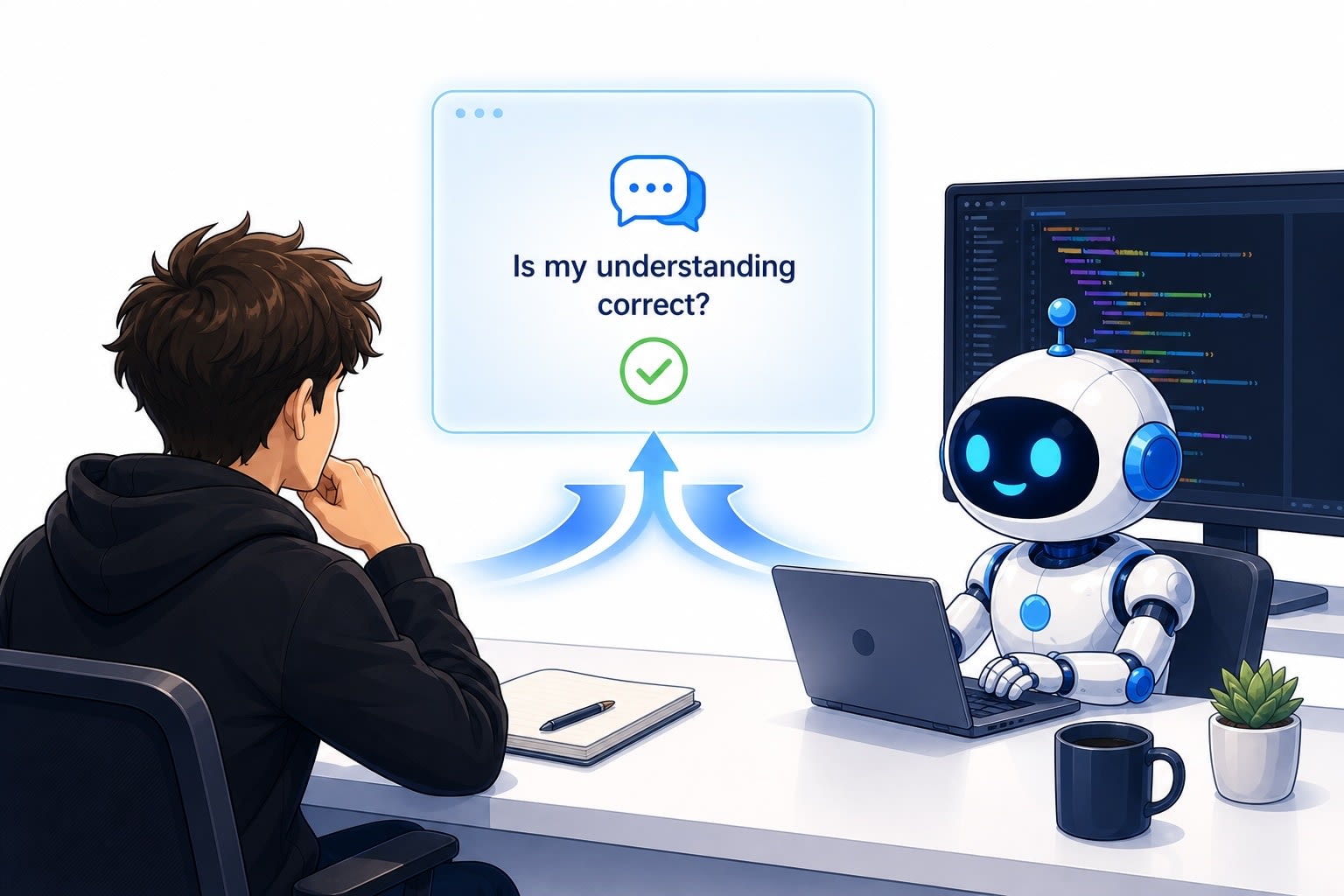
The evolution of software development has reached an inflection point. For decades, the bottleneck in digital transformation wasn’t the capability of the hardware or the complexity of the algorithms; it was the friction between human intent and machine execution. Today, tools like Claude Code—an experimental command-line interface developed by Anthropic—are fundamentally altering that dynamic. As a leader in the tech space, observing the shift from manual coding to "intent-based engineering" is not just a trend; it is a strategic imperative that promises to redefine engineering ROI.
When we talk about "intent alignment," we aren't just discussing prompts; we are discussing the architectural translation of business requirements into production-ready code. The ability to bridge this gap efficiently is what will distinguish agile enterprises from those tethered to the slow-moving legacy cycles of the past.
The Shift from Syntax to Strategy
In a traditional development environment, a senior developer spends a disproportionate amount of time in "plumbing"—debugging, boilerplate generation, and environment configuration. These tasks, while necessary, do not generate direct business value. With the rise of AI Agents, this manual labor is increasingly being outsourced to autonomous systems that can navigate a codebase, understand complex dependencies, and execute multi-step operations.
However, the efficacy of these agents is entirely dependent on the clarity of the user's intent. If the instruction is vague, the agent may interpret the requirement through a lens that doesn't match the desired business outcome. To effectively align your intent with tools like Claude Code, leaders must treat the AI as a junior-to-mid-level developer who is highly capable but requires precise context.
To maximize this alignment, organizations should focus on:
- Contextual Scoping: Before invoking an agent, clearly define the "Blast Radius." Limit the agent's workspace to specific files or modules to ensure the focus remains on the desired functional change.
- Explicit Constraint Setting: AI models are prone to hallucination if not tethered. Explicitly state the frameworks, libraries, and coding standards (e.g., "Use TypeScript, follow internal architectural patterns, and avoid third-party dependencies for this refactor") to keep the output within enterprise-grade bounds.
- Iterative Verification: Treat the AI’s output as a draft that requires human-in-the-loop review. Use the tool to perform the heavy lifting, but maintain the oversight necessary for compliance and security auditing.
The Business Impact of Intent-Driven Development
From a C-suite perspective, the adoption of AI-native coding workflows isn't just about faster builds; it’s about business agility. The ROI of deploying tools like Claude Code manifests in three distinct ways: reduced time-to-market, higher engineering morale, and the democratization of technical debt remediation.
When your engineering team spends less time fixing trivial syntax errors and more time architecting solutions that align with the company's roadmap, the enterprise benefits from increased velocity. We are seeing a shift where Digital Transformation is no longer a multi-year slog, but a series of accelerated, intent-driven sprints.
Moreover, this shift impacts the long-term health of your CRM and internal software ecosystems. Technical debt is the silent killer of innovation. By using AI agents to systematically address legacy code, clean up dependencies, and automate testing, companies can modernize their existing infrastructure without needing to halt operations for a "rip-and-replace" scenario. This allows for a continuous modernization strategy that keeps the enterprise competitive in an increasingly automated marketplace.
Navigating the Adoption Curve
Adopting these tools requires more than just installing a CLI. It requires a shift in engineering culture. Leaders must foster an environment where developers move from being "code-writers" to "code-orchestrators." This involves training staff on how to decompose complex business problems into granular, actionable prompts.
Consider the following progression for organizational maturity:
- Phase 1: Assisted Coding: Using AI to generate unit tests and boilerplate code.
- Phase 2: Agentic Execution: Leveraging agents to perform refactoring, dependency updates, and minor feature implementations under developer supervision.
- Phase 3: Autonomous Governance: Integrating AI coding agents into the CI/CD pipeline, where intent is verified against pre-defined performance and security benchmarks before any code is merged.
The move toward intent-based development is inevitable. While some organizations remain hesitant due to security concerns, the market leaders are already defining the "rules of the road"—establishing guardrails, sandboxed environments, and human-supervised protocols that allow them to tap into the productivity gains of AI without compromising system integrity. The goal is to move from "writing the code" to "governing the outcomes." By focusing on how you translate your business vision into technical constraints, you position your organization to move at the speed of thought.
The future of technology will be defined by those who can best orchestrate AI to reflect their specific business needs. At AOODAX, we specialize in helping organizations bridge the gap between high-level strategy and technical reality by building bespoke custom software solutions and AI-integrated workflows designed to automate complexity and drive efficiency.