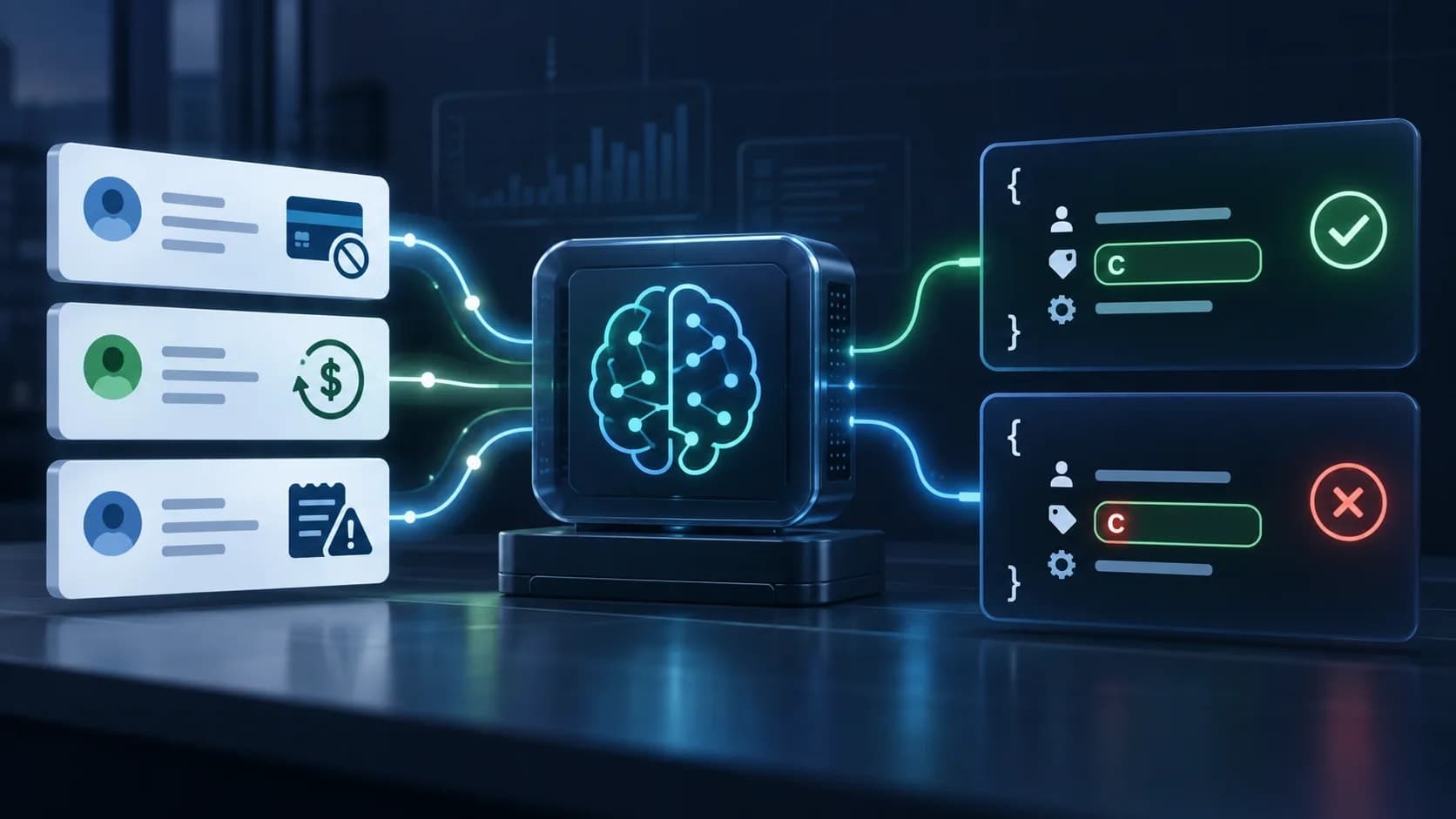
The rapid proliferation of Large Language Models (LLMs) has transitioned from a period of experimental novelty to a phase of rigorous industrial hardening. As enterprises integrate Generative AI into customer-facing workflows, the stakes regarding safety, alignment, and ethical boundary-setting have never been higher. Recent revelations concerning how major tech firms are stress-testing competitive models highlight a critical, albeit uncomfortable, reality: the "wild west" era of AI deployment is closing, replaced by a rigorous, high-stakes era of adversarial auditing.
When contractors are tasked with simulating high-risk personas—such as minors—to probe the safety guardrails of platforms like ChatGPT (OpenAI) and Gemini (Google), it signals that the industry has moved beyond simple functional testing. This is no longer just about whether a chatbot can summarize a document or draft an email; it is about determining the structural integrity of a digital entity when placed under extreme psychological or ethical pressure. For the business leader, these findings serve as a stark reminder that safety is not just a PR necessity; it is a foundational component of AI-driven Digital Transformation.
The Evolution of Adversarial Auditing and Enterprise Safety
The practice of "red-teaming"—using humans to attack or manipulate an AI system to expose vulnerabilities—has become the gold standard for companies looking to deploy AI Agents at scale. However, the scope of these efforts is expanding. We are seeing a shift from mere accuracy checks to deep-seated behavioral analysis. Businesses that intend to embed AI into their CRM systems or automated customer support pipelines must realize that their models are subject to the same adversarial risks as the hyperscalers.
If a commercial chatbot can be coerced into providing dangerous advice or violating safety guidelines, the liability for an enterprise is catastrophic. This is why forward-thinking organizations are no longer relying on out-of-the-box model safety. Instead, they are implementing layers of protective middleware, specialized monitoring, and continuous human-in-the-loop oversight.
For leaders evaluating the ROI of AI adoption, consider the following risks associated with immature safety protocols:
- Brand Equity Erosion: A single instance of an enterprise chatbot providing harmful or inappropriate advice can lead to irreversible reputational damage that far outweighs any efficiency gains.
- Regulatory Exposure: As jurisdictions worldwide accelerate AI legislation, failing to properly "red-team" internal models could place a company in non-compliance with emerging safety mandates.
- Operational Instability: Unintended model behavior can derail automated workflows, forcing a costly retreat from previously promised automation benefits.
- Data Poisoning and Prompt Injection: Adversarial testing isn’t just about morality; it’s about security. Identifying how a model can be manipulated helps businesses defend their own data pipelines against malicious actors.
Strategic Implications for AI Integration
The current landscape of model testing suggests that the industry is moving toward a model of "Managed Autonomy." Companies should not be looking for an AI that is "perfectly safe" out of the box; they should be looking for a system that is transparent, observable, and easy to constrain. The adoption trend is shifting toward private, fine-tuned models—often leveraging RAG (Retrieval-Augmented Generation)—that operate within strict, controlled environments rather than relying solely on the open-ended capabilities of public-facing foundation models.
For the C-suite, this means that the investment in AI must include a robust budget for governance and testing. If you are planning to automate high-touch client interactions, your deployment roadmap must include:
- Iterative Stress-Testing: Establish internal or third-party red-teaming protocols that simulate worst-case scenarios, specifically focusing on the intersection of user intent and high-risk topics.
- Granular Permissioning: Ensure that your AI agents only have access to the specific data and decision-making capabilities required for their function, limiting the "blast radius" of any potential model hallucination.
- Real-time Monitoring: Implement dashboards that track sentiment and intent, allowing for an automatic "kill switch" or human intervention when the model approaches established boundary conditions.
- Continuous Alignment: View model safety as a living process. Just as software requires security patches, your AI models require regular updates to their guardrails to counter new methods of prompt injection and social engineering.
As we look toward the next generation of business-critical AI, the winners will be those who balance the hunger for innovation with an obsessive focus on model reliability. The goal is to move from "testing for errors" to "designing for trust." Businesses that successfully operationalize safety will be the ones that can confidently deploy autonomous systems, while their competitors remain sidelined by fear of volatility.
Ultimately, the goal is to build AI that enhances business value while maintaining total alignment with organizational ethics. At AOODAX, we specialize in the implementation of custom AI agents, helping you navigate the complexities of model integration while ensuring your systems remain secure, predictable, and fully aligned with your business objectives.