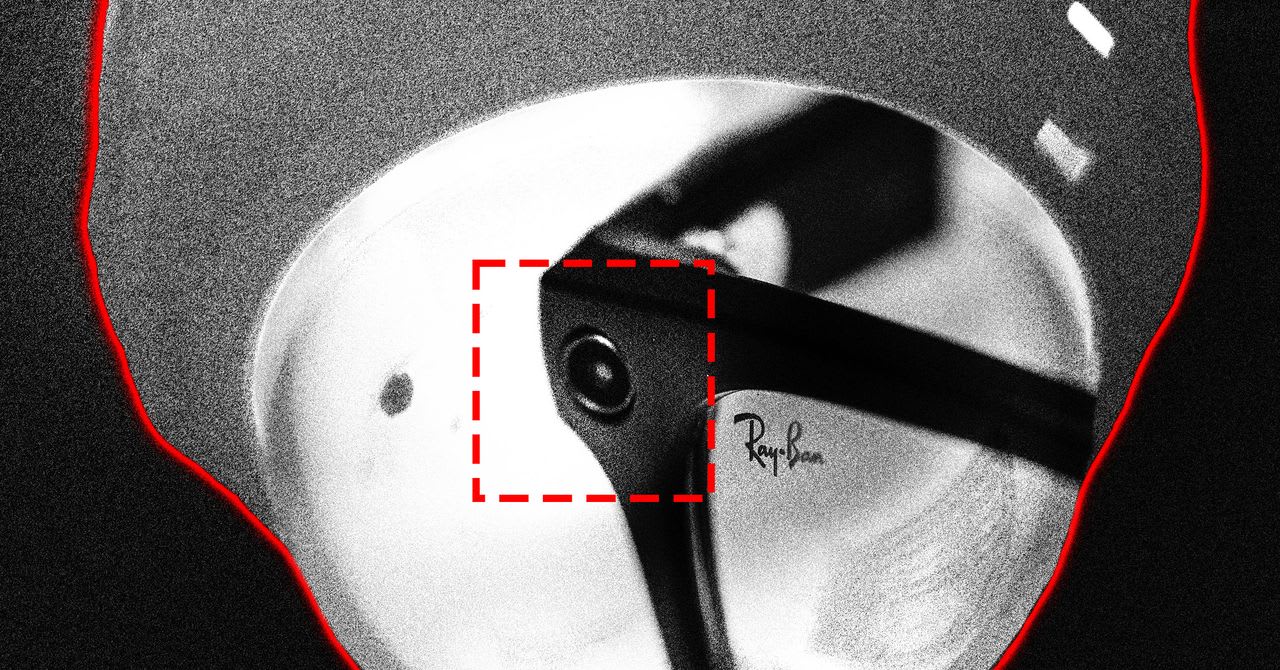
The boundary between consumer hardware and high-stakes surveillance is thinning. Recent reports indicate that Meta has engaged Rank One—a firm deeply entrenched in the defense and intelligence sector—to explore the integration of facial recognition technology into its smart glasses ecosystem. While these projects remain in the prototype phase, the implications for the enterprise sector and the broader trajectory of Generative AI are profound.
The Intersection of Wearables and Defense Tech
Rank One is not a typical Silicon Valley startup; its leadership roster includes former top-tier officials from the CIA and the FBI. When a consumer-facing giant like Meta turns to a company specialized in mission-critical biometric identification, it signals a shift in how we perceive the utility of wearables.
For businesses, this development highlights a move away from passive data collection toward active, AI-driven identification. We are transitioning from devices that simply record the world to devices that understand the identities within it. The potential features for future enterprise-grade wearables could include:
- Real-time authentication: Seamless entry into high-security facilities without badge readers.
- Contextual CRM integration: Instantly surfacing client history and interaction data during face-to-face meetings.
- Operational safety: Automatically recognizing authorized personnel in hazardous work environments to prevent unauthorized access.
Strategic ROI and the Future of Digital Transformation
For leaders driving Digital Transformation, the integration of biometric capabilities into daily workflows presents a dual-edged sword. On the ROI front, the ability to automate identification processes can significantly reduce friction in customer service, retail, and security operations. By linking a visual input directly to an existing CRM database, companies could theoretically deliver a hyper-personalized customer experience that was previously impossible.
However, the adoption of such high-fidelity data collection tools comes with significant governance requirements. As AI-powered agents become more ubiquitous, business leaders must balance the promise of extreme efficiency with the growing demand for privacy and ethical data stewardship. The companies that win will not just be the ones that adopt this technology first, but the ones that build the most robust trust frameworks around it.
The Path Forward: Automation and Ethics
The integration of biometric AI into wearable hardware is the next frontier of the "Always-On" enterprise. As these technologies migrate from the defense sector to the boardroom, leaders should evaluate how their current stack can support the influx of real-time visual data. The goal should be to move toward a state where technology anticipates needs rather than merely responding to queries.
For those looking to prepare, the focus must remain on interoperability and security. If your organization is looking to streamline its operations, the next step involves assessing how current AI agents can bridge the gap between real-world inputs and your digital infrastructure.
At AOODAX, we specialize in helping businesses navigate these complex technological shifts by building secure, scalable AI agents that integrate seamlessly into your existing workflows. Whether you are looking to automate customer touchpoints or modernize your data architecture, our team provides the technical foundation to ensure your business remains at the cutting edge of digital innovation.