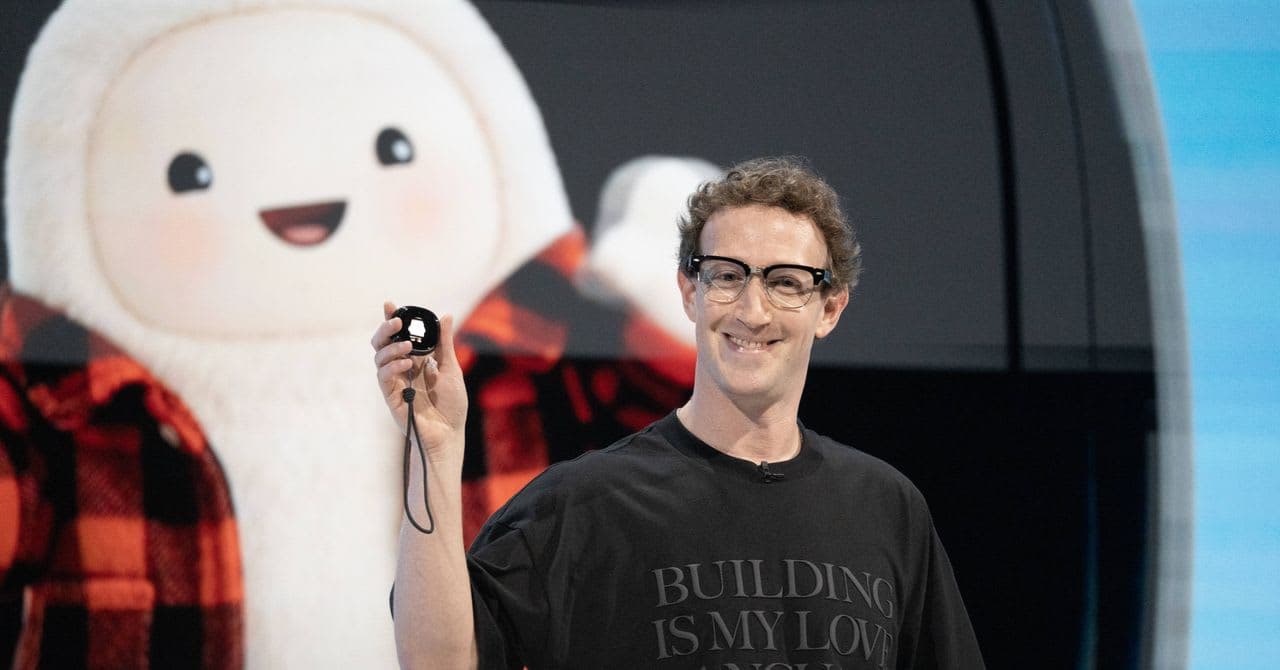
The aesthetic of modern artificial intelligence is undergoing a profound identity crisis. For years, enterprise-grade AI was represented by cold, sleek dashboards, cascading lines of green code, and minimalist, sterile interfaces. Today, however, we are witnessing a pivot toward the "cuddly" and the tactile. With the emergence of Meta’s Muse—a platform currently being positioned as an adult-focused tool wrapped in the visual language of a toy—the industry is forced to confront a growing dissonance between professional utility and consumer-facing design.
This shift isn't merely a stylistic choice; it is a calculated attempt to lower the barrier to entry for complex technology. By leveraging mascot-driven branding and hardware that mimics the nostalgia of 90s-era digital pets, companies are attempting to make "invisible" intelligence feel more companionable and less intimidating. But for business leaders, the question remains: does this cutesy exterior mask a sophisticated engine, or does it undermine the gravity of the work being performed?
The Anthropomorphic Trap in Enterprise Design
In the realm of Generative AI, the "uncanny valley" has traditionally referred to robotic movement. Now, we are entering a phase where the interface itself risks alienating its core business demographic. Muse, with its aesthetic sensibilities leaning toward the character-heavy designs popular in contemporary toy culture, poses a unique challenge for IT procurement and digital strategy teams.
When a tool intended for data synthesis, workflow automation, or Customer Relationship Management (CRM) integration arrives packaged in an interface that mirrors a children’s game, it triggers a "seriousness gap." For employees tasked with critical business operations, trust is the primary currency. If a piece of software feels like a toy, the internal perception of its reliability, security, and data handling capabilities often takes a hit.
However, the logic behind these design choices is rooted in a fundamental truth of modern Digital Transformation: adoption is the hardest hurdle to clear. By leaning into friendly, non-threatening designs, companies like Meta are attempting to:
- Reduce Cognitive Load: Removing the "tech-heavy" visual language makes AI features feel accessible to non-technical staff.
- Encourage Human-AI Collaboration: By framing the AI as a "companion" or a "character" rather than a rigid database, users may be more likely to engage with it conversationally.
- Drive Habit Formation: Much like the addictive loops of a Tamagotchi, the gamification of AI inputs can encourage users to interact with enterprise tools more frequently, leading to richer data sets for the underlying model.
Bridging the Gap Between Playfulness and ROI
From a business perspective, the ROI of such investments relies entirely on whether the utility survives the rebrand. If an AI agent—regardless of whether it looks like a spreadsheet or a digital mascot—can automate complex tasks, categorize support tickets, or streamline cross-departmental communication, the interface is secondary. However, leaders must be careful not to confuse "fun" with "functional."
The trend toward playful AI interfaces reflects a broader shift toward AI Agents that act as autonomous extensions of the workforce. We are moving away from passive software that waits for a command and toward proactive assistants. This requires a level of personality, which is perhaps why designers are reaching for anthropomorphic metaphors.
If your organization is looking to integrate these emerging technologies, consider these three pillars for balancing design and utility:
- Verify the Backend: Regardless of the UI, ensure that the LLM driving the agent is capable of handling your company's data security protocols and compliance requirements.
- Prioritize Seamless Integration: The "toy" aesthetic is useless if the tool remains a silo. Ensure the AI interfaces directly with your CRM or ERP systems to provide real-time value.
- Measure Adoption, Not Engagement: A high number of interactions with a "fun" chatbot is meaningless if those interactions do not correlate with faster task completion or higher-quality outputs.
The danger for leaders is falling for the novelty of a "cuddly" interface while neglecting the hard engineering required to make these systems effective. The most successful implementations will likely be those that offer a modular interface—allowing users who prefer a professional dashboard to access the same power as those who prefer the casual, conversational nature of these new character-driven agents.
The Future of Enterprise Interaction
We are currently in a transition period where AI is searching for its visual vocabulary. Just as the personal computer went from a terrifying command-line interface to the colorful, icon-based desktop, AI is moving from the dark, abstract realms of Python scripts to the world of characters and natural language interaction.
As we look toward the next three to five years, the "toy-like" nature of these platforms will likely fade into the background, becoming a standardized, intuitive layer of the digital workspace. The goal for business leaders is not to discard these innovations because of their appearance, but to curate them effectively within the professional environment. The most effective AI is the one that disappears into the background, performing complex automation so seamlessly that the user forgets whether they are interacting with a piece of software or a highly specialized digital assistant.
Whether you are deploying character-driven AI agents or optimizing traditional automation workflows, the core mission is to bridge the gap between complex backend intelligence and intuitive human interaction. At AOODAX, we specialize in helping businesses navigate this transition by building custom AI agents that turn sophisticated automation into a seamless, high-ROI component of your daily operations.