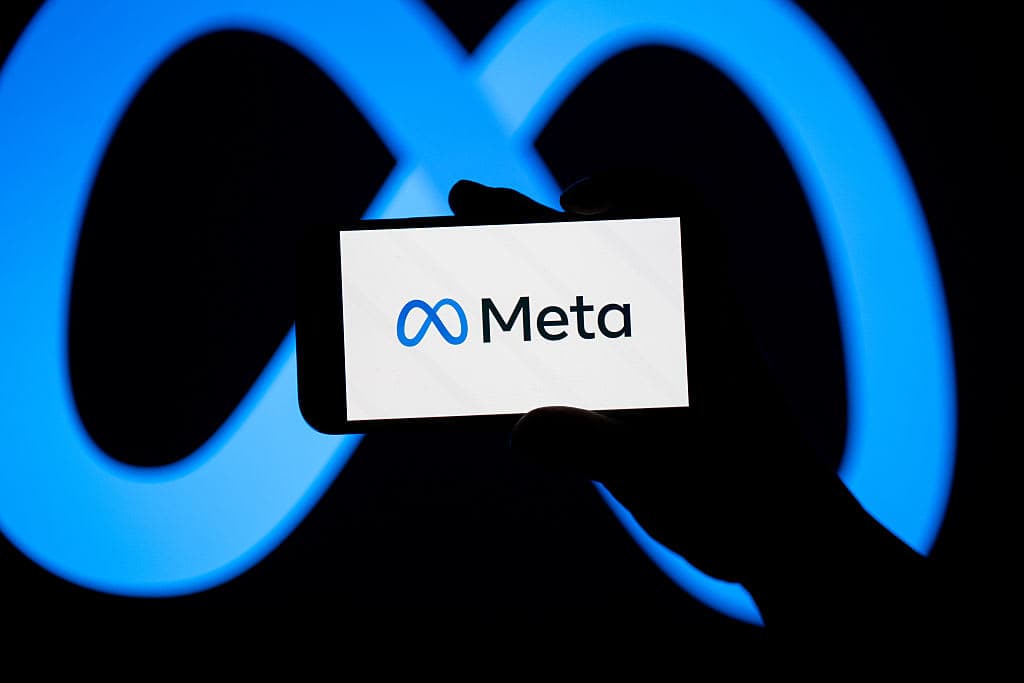
The barriers to software development have historically been defined by two distinct silos: the technical elite capable of writing syntax-heavy code, and the creative end-users restricted to static interfaces. However, the silent rollout of Pocket by Meta suggests that we are entering an era where the software stack itself is becoming liquid. By allowing users to generate interactive experiences through simple text-based natural language prompts, Meta is signaling a shift that transcends simple gaming; it is a glimpse into the future of enterprise agility.
This "vibe-coded" approach—a colloquial term for AI-driven software generation—represents the next evolution of Generative AI. When a user can translate a vague concept into a functional mini-game, they are effectively bypassing the traditional Software Development Life Cycle (SDLC) in favor of instantaneous deployment. For business leaders and digital transformation architects, this is not just a novelty. It is a preview of a world where internal tooling, customer engagement modules, and operational workflows are built in real-time, on demand, and without a ticket-based development backlog.
The Democratization of Functional Logic
The implications of natural language programming in a consumer context are profound, but the business application is even more compelling. We are moving away from the "no-code/low-code" movement, which still required a conceptual understanding of logic flows and UI drag-and-drop mechanics, toward Intent-Based Architecture. In an environment like the one Pocket fosters, the AI acts as a sophisticated translation layer between business requirements and executable code.
Consider the potential for enterprise adoption. Today, a department head might need a specific dashboard or a small utility tool to track a localized KPI. In the traditional enterprise model, this request enters a queue, undergoes feasibility studies, and eventually hits a developer's desk. This lag is the enemy of digital transformation. With the type of AI-generative technology underpinning Meta's recent experiment, the user becomes the developer.
Key features of this emerging paradigm include:
- Rapid Prototyping: The ability to visualize a concept within seconds, allowing for a "fail fast" culture that is grounded in actual functional artifacts rather than static mockups.
- Iterative Refinement: Real-time adjustments based on linguistic feedback, where the AI interprets "make it more engaging" or "simplify the input field" to modify the underlying logic automatically.
- Accessibility of Logic: Lowering the technical literacy requirements for creating complex, interactive digital assets, thereby widening the pool of internal innovators.
This shift does not mean the end of professional engineering, but rather a fundamental change in the developer’s role. Engineers will move from writing line-by-line syntax to managing AI Agents that execute large-scale, complex requirements. The ROI for businesses becomes clearer: shorter time-to-market, reduced reliance on siloed technical debt, and a more responsive internal culture that mirrors the speed of the market.
Bridging the Gap Between Interaction and Automation
While Meta’s Pocket focuses on interactive entertainment, the underlying engine—a synthesis of high-speed LLM inference and modular game engines—is perfectly suited for the enterprise. We have long talked about the "Consumerization of IT," and this is its ultimate manifestation. When employees are accustomed to building, sharing, and interacting with generative software in their personal time, they will inevitably demand that same friction-less agility in their corporate environments.
For a business, the value of this technology lies in Automation and the seamless integration of data. If an AI can generate a mini-game based on a prompt, it can theoretically generate a customer-facing simulation, an interactive training module for staff, or a specialized data-entry interface tailored to a specific CRM workflow. The challenge for leadership is not finding the tools, but integrating them into a secure, governance-compliant framework.
Organizations that succeed in the next five years will be those that treat these generative interfaces not as toys, but as high-velocity tools for digital transformation. To maximize the impact, businesses must look at these developments through three lenses:
- Scalability: Can these generative assets interact with existing enterprise data layers and APIs securely?
- Integration: How easily does the AI-generated output plug into existing tech stacks, such as existing client databases or project management software?
- Governance: Ensuring that the speed of creation does not outpace the security protocols necessary to protect intellectual property and sensitive customer data.
The transition to a generative-first software environment is accelerating. We are moving past the phase of AI as a simple chatbot assistant and into an era of AI as a creative collaborator. The "vibe-coded" model serves as a proof-of-concept for a future where software is fluid, context-aware, and incredibly efficient to deploy. The businesses that prepare for this shift will find themselves vastly more competitive than those tethered to the traditional, linear development models of the past decade.
Ultimately, the goal is to bridge the gap between an idea and an output as quickly as possible. Whether you are looking to streamline your internal processes or create more engaging experiences for your users, the infrastructure of the future is defined by intent, not syntax. At AOODAX, we specialize in helping organizations harness this shift by building sophisticated custom software and AI agent solutions that turn high-level business objectives into reliable, scalable digital realities.