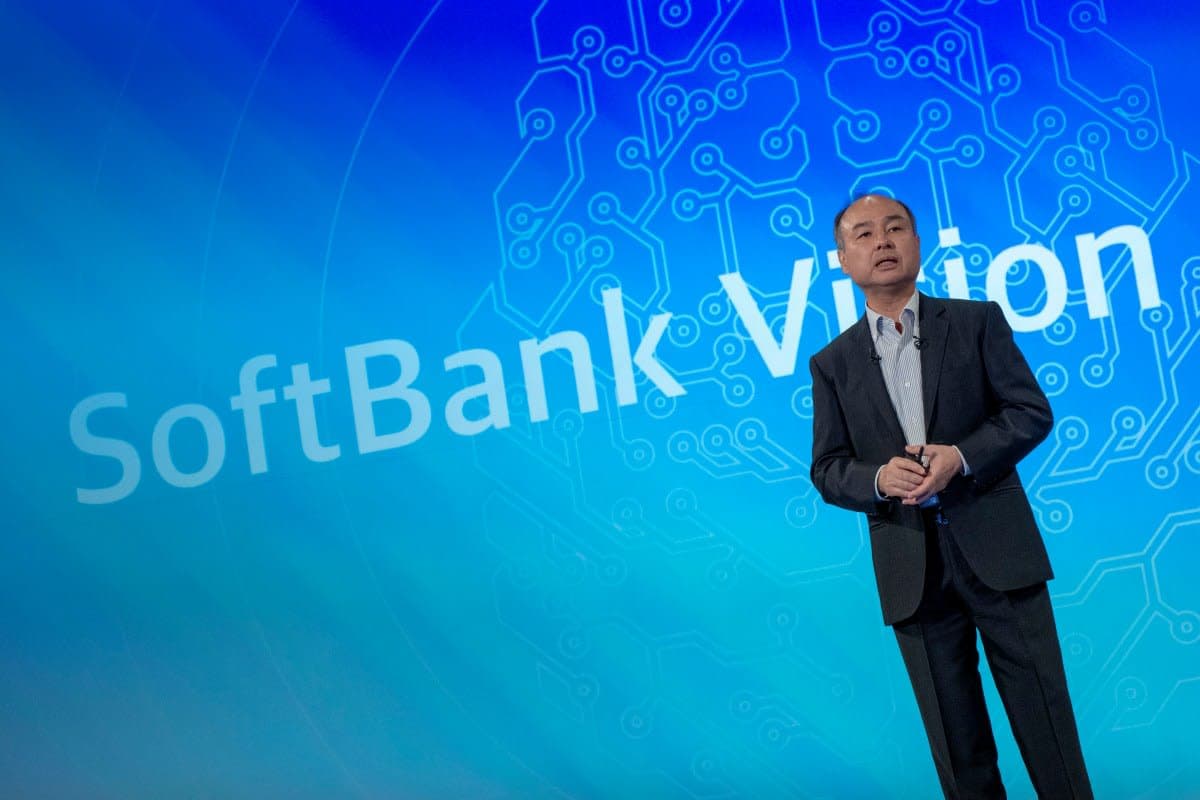
The prospect of placing high-performance computing clusters into Low Earth Orbit (LEO) sounds like the kind of technological crescendo that Silicon Valley loves to champion. The vision is seductive: an infinite, vacuum-cooled expanse where latency is minimized for global connectivity and energy is harvested directly from the sun. Yet, as the rhetoric surrounding orbital data centers intensifies, a growing chorus of skeptics—ranging from seasoned infrastructure investors like SoftBank to pragmatic cloud architects—is asking the uncomfortable questions that define the gap between science fiction and fiscal reality.
For business leaders currently navigating the complex landscape of digital transformation, the debate over orbital infrastructure is more than just a space-faring curiosity. It is a fundamental litmus test for how we evaluate the maturity of high-risk, high-reward innovations.
The Physical and Economic Gravity of Computing
At the heart of the skepticism lies the brutal calculus of orbital physics and thermodynamic management. Traditional data centers on Earth benefit from massive, grid-scale power infrastructure, rapid-response cooling systems, and physical proximity to the human technicians who maintain them. Moving these operations into space necessitates a paradigm shift in reliability that is currently lacking.
When we consider the logistics of high-density computing, several structural hurdles emerge:
- Thermal Management: In a vacuum, heat dissipation becomes an immense technical challenge. Without the convective properties of Earth’s atmosphere, servers require sophisticated, heavy active-cooling systems that inherently subtract from the payload capacity and increase launch costs.
- The Latency Illusion: While advocates argue that orbital compute reduces signal round-trips for global networks, the actual bottleneck for most modern enterprise applications remains the "last mile" terrestrial infrastructure and the processing speed of the AI agents managing the data flows.
- Maintenance Paradox: In the world of automated infrastructure, uptime is non-negotiable. If a rack of GPUs fails in an orbital node, the repair cycle—involving complex robotic intervention or orbital retrieval—introduces a level of risk that few enterprise Cloud Service Providers (CSPs) would tolerate, let alone fund.
For the CIO, the Return on Investment (ROI) of such an infrastructure is currently non-existent. While satellite constellations like Starlink have revolutionized global connectivity for remote operations, the jump from "connecting data" to "processing data" at scale remains a bridge too far for the current economic cycle.
Strategic Realities vs. Orbital Ambitions
The push for orbital data centers often mirrors the broader hype cycles we see in the Generative AI sector. Just as companies are currently rushing to deploy Custom Large Language Models (LLMs), some stakeholders are lured by the prestige of being "first" in space. However, for the average enterprise, the value proposition remains firmly anchored on the ground.
Businesses today are undergoing a massive shift toward Edge Computing and hyper-localized data processing. The goal is to move the computation closer to the end-user, but usually, that means regional data centers or private, on-premise hardware that can run advanced CRM (Customer Relationship Management) systems without the risks associated with orbital atmospheric volatility.
When evaluating futuristic infrastructure, leaders should apply a "Gravity Test" to their technology roadmap:
- Does this address a fundamental bottleneck? If your latency issues are software-bound, shifting to space won't fix your underlying code architecture.
- What is the scalability floor? orbital compute is currently artisanal. Enterprise-grade AI requires the massive, repeatable scalability that only terrestrial hyperscalers can provide.
- Compliance and Sovereignty: Data residency laws are growing stricter. Keeping data in orbital limbo introduces complex jurisdictional and security risks that most legal teams are currently ill-equipped to audit.
The trend in the next 24 to 36 months will not be toward orbital compute, but rather toward the optimization of existing terrestrial environments. The focus is shifting toward AI-driven automation—using intelligent software to make current data centers more energy-efficient, responsive, and secure. Rather than looking to the stars for the next performance leap, enterprises are finding that the most significant gains are still to be found in refining the data pipelines they already operate.
Navigating the Future of Enterprise Compute
The allure of orbital infrastructure serves as a reminder that technological innovation often runs ahead of the supporting ecosystem. As the industry moves toward more sophisticated autonomous systems, the focus must remain on reliability, interoperability, and clear business outcomes. Innovations like orbital compute may have a place in specialized defense or communications niches in the coming decade, but they remain a distant outlier for the broader commercial landscape.
For business leaders, the takeaway is clear: avoid the trap of being seduced by the "cool factor" of a tech trend. Prioritize investments that enhance your immediate agility and operational efficiency. The future of enterprise technology is about building smarter, not just building further away.
Whether you are optimizing your current cloud architecture or looking to integrate smarter decision-making into your daily operations, grounding your strategy in proven performance is essential. At AOODAX, we help businesses navigate these complex technological transitions by developing custom AI agents that streamline your operations and maximize the utility of the infrastructure you already have in place.