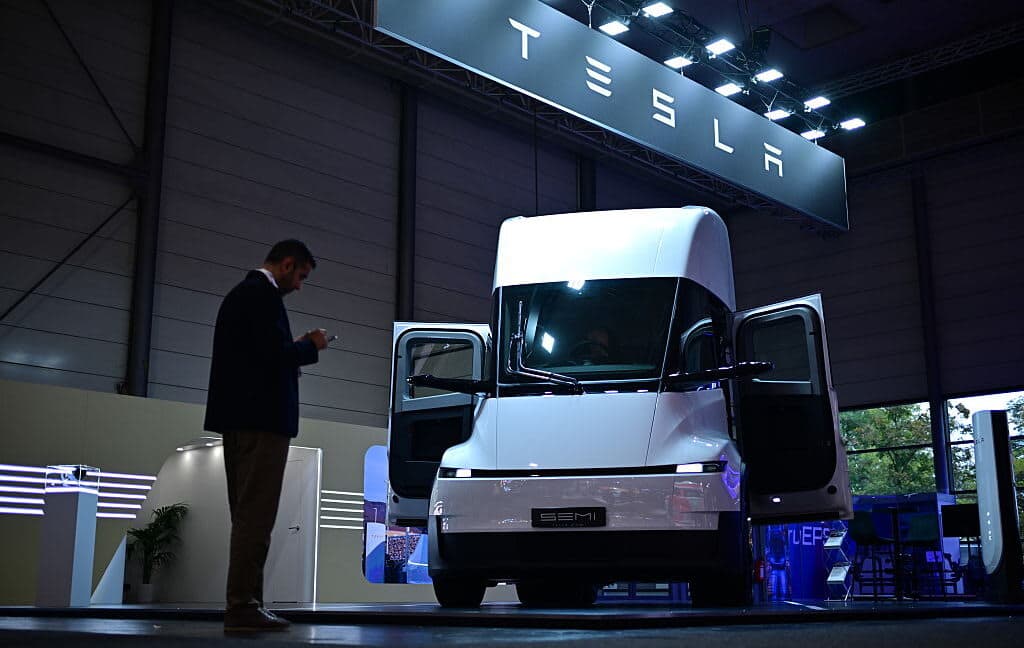
The trucking industry, the literal backbone of global commerce, is currently undergoing a radical metamorphosis. For decades, the sector has been defined by the reliability of the internal combustion engine. However, as organizations strive to meet aggressive ESG (Environmental, Social, and Governance) targets and operational efficiency goals, the shift toward electric heavy-duty vehicles has moved from a speculative concept to a high-stakes operational reality. The introduction of long-haul electric vehicles, most notably the Tesla Semi, represents a technological marvel in energy density and propulsion. Yet, as senior analysts, we must look past the performance specifications of the truck itself and confront the grueling reality of the infrastructure required to support it.
The challenge is not merely about replacing diesel tanks with battery packs; it is about completely reimagining the logistics energy grid. While these vehicles promise lower total cost of ownership (TCO) through reduced fuel and maintenance expenses, they face a "last-mile" barrier that is measured in megawatts, not miles.
The Infrastructure Bottleneck: Powering the Fleet of Tomorrow
For a business leader, the transition to an electric fleet involves a complex calculation of ROI and operational uptime. A 500-mile range for a heavy-duty truck sounds impressive on a spec sheet, but in the world of logistics, uptime is the only metric that dictates profitability. The limitation isn't just the vehicle; it is the availability of high-speed charging infrastructure that can accommodate the immense energy demands of Class 8 trucks.
Current charging standards are largely optimized for passenger vehicles. Transitioning to heavy-duty trucking requires Megawatt Charging Systems (MCS) capable of delivering massive surges of power safely and efficiently within the tight windows of a driver’s mandated rest period. The bottlenecks are three-fold:
- Grid Capacity: Most existing logistics hubs and regional distribution centers lack the high-voltage connections required to charge a fleet of heavy trucks simultaneously.
- Peak Demand Costs: Rapidly charging a massive battery array during peak hours can trigger exorbitant utility demand charges, effectively wiping out the fuel-cost savings the electric truck was meant to provide.
- Charging Standardization: The lack of a universal charging infrastructure across inter-state corridors creates "range anxiety" not for the driver, but for the logistics planner who must ensure cargo reaches its destination without multi-hour charging delays.
This is where digital transformation becomes the silent partner of hardware innovation. Companies are no longer just trucking businesses; they are energy managers. To make these assets viable, firms must integrate sophisticated Energy Management Systems (EMS) that talk to the local grid, optimize charging cycles based on real-time energy pricing, and automate fleet scheduling to ensure vehicles are charged when power is most abundant and affordable.
Beyond the Hardware: Orchestrating the Transition
The deployment of electric trucks is a data-heavy endeavor. The most successful organizations are realizing that fleet electrification cannot be managed with spreadsheets alone. It requires the integration of AI-driven logistics orchestration, where real-time vehicle diagnostics, weather patterns, traffic congestion, and charging station availability are ingested into a central platform.
When we consider the broader scope of digital maturity, the electric trucking revolution is essentially a test of a company’s ability to handle complex, automated workflows. Consider the following implications for modern enterprises:
- Predictive Maintenance: Electric drivetrains have fewer moving parts, but the complexity shifts to battery health monitoring. Integrating predictive analytics ensures that charging intervals are optimized for long-term battery degradation.
- Dynamic Route Planning: AI agents can now act as the brain of the operation, rerouting trucks not just based on traffic, but based on the state-of-charge (SoC) and the current load of nearby charging stations.
- Supply Chain Visibility: By integrating fleet data into CRM (Customer Relationship Management) systems, businesses can provide their clients with hyper-accurate arrival times that account for necessary charging stops, thereby maintaining trust despite the changing technological landscape.
Adopting these vehicles requires a shift in how businesses handle their internal processes. You are essentially building a private microgrid. Companies that treat their charging infrastructure as a siloed hardware cost will struggle. Conversely, those that treat the charging ecosystem as a software-defined asset—one that can be optimized through automation and intelligent data loops—will achieve the ROI necessary to justify the shift.
Navigating the Future: A Strategic Outlook
The transition to zero-emission trucking is inevitable, but it is not a "plug-and-play" scenario. The infrastructure gap is real, and it will persist for several years as utility providers and private operators scramble to modernize the nation’s electrical arteries. For business leaders, the takeaway is clear: the hardware—the truck—is only the entry ticket. The real competitive advantage lies in the software stack that manages the interface between the grid, the vehicle, and the supply chain.
As organizations prepare to scale their electric fleets, the focus must shift from the vehicle’s range to the intelligence of the logistics network supporting it. Automation is not a luxury in this scenario; it is a fundamental requirement for operational stability. Whether you are managing energy consumption during peak load hours or synchronizing delivery windows with automated charging alerts, the complexity of modern logistics demands a robust digital architecture.
At AOODAX, we understand that orchestrating such high-stakes transitions requires more than just off-the-shelf software; it requires a tailored approach to complex problem-solving. We specialize in developing custom AI agents that can seamlessly integrate into your existing logistics and supply chain systems, ensuring that as you adopt new technologies, your operational workflows remain synchronized, automated, and ahead of the curve.