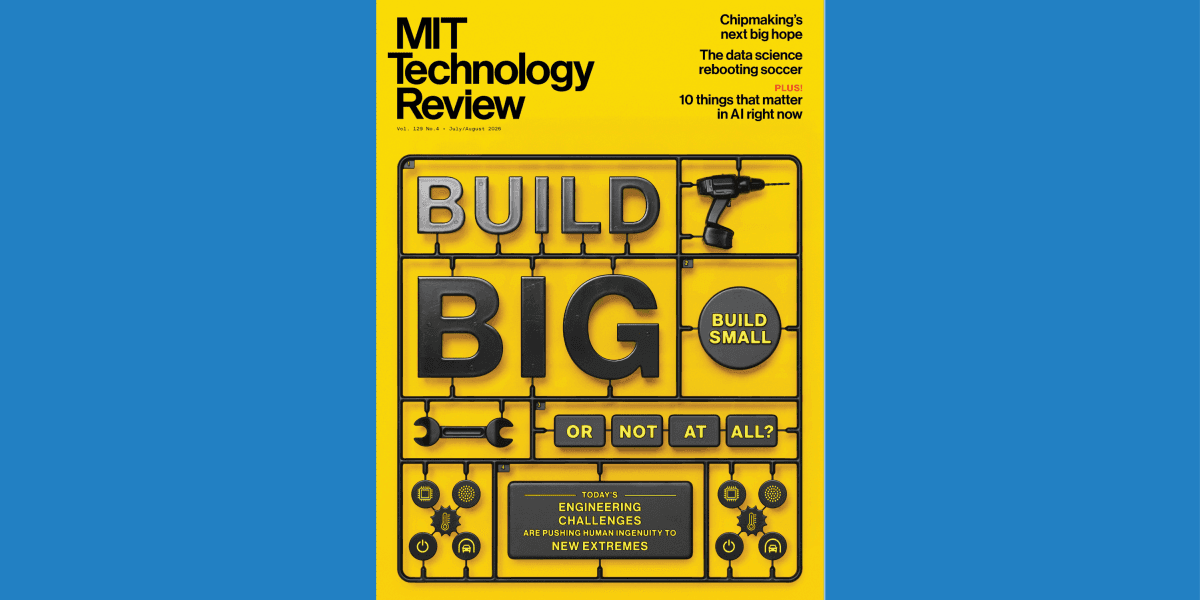
The landscape of enterprise technology has shifted from a focus on passive observation to a mandate for active engineering. For years, the conversation surrounding digital transformation was dominated by the "what"—which cloud provider to choose, which SaaS platform to implement, or which data lake to populate. Today, the conversation has moved decisively toward the "how." We are entering an era where human ingenuity, augmented by sophisticated machine learning frameworks, is shifting from simply digitizing existing processes to fundamentally re-engineering business operations from the ground up.
The Architecture of Ambition
At the heart of this transition is the realization that technical debt is no longer just a budgetary nuisance; it is a strategic ceiling. For business leaders, the current period represents a unique convergence of capability. We have access to more powerful computing resources, more granular data, and more versatile automation tools than at any point in history. Yet, many organizations remain stuck in a loop of optimization, simply making legacy workflows slightly faster rather than reimagining their core value propositions.
True "engineering" in the modern enterprise context means moving beyond the low-hanging fruit of basic digitization. It involves the integration of Autonomous Agents—software entities capable of executing complex, multi-step workflows without constant human oversight. Unlike traditional rigid automation, these agents leverage Large Language Models (LLMs) to understand context, navigate unstructured data, and make decisions that align with defined business parameters.
When we talk about the impact of these technologies on business, we are looking at a fundamental change in the ROI profile of IT investments:
- Operational Resilience: By offloading repetitive, error-prone tasks to autonomous systems, human teams are freed to focus on high-leverage architectural challenges.
- Scalability of Expertise: Modern automation platforms allow a company’s best practices—previously siloed in the minds of a few senior employees—to be codified into repeatable, scalable workflows.
- Reduced Integration Friction: The latest generation of API-first architectures allows for seamless interoperability between legacy CRM (Customer Relationship Management) systems and modern, AI-driven front-ends, ensuring that data flows are frictionless and insight-rich.
Navigating the Shift to Intelligent Systems
Adopting these technologies is not merely a technical upgrade; it is a cultural and organizational pivot. Businesses that succeed in the next five years will be those that treat their digital infrastructure as a living, evolving ecosystem rather than a static asset. This shift requires a change in how we measure success. Instead of tracking traditional KPIs like system uptime or user seat counts, forward-thinking organizations are looking toward "agentic throughput"—a measure of how much complex, value-adding work is being executed autonomously versus manually.
However, the path to implementation is fraught with the classic challenges of Digital Transformation. Many companies fail not because of a lack of ambition, but because of a lack of cohesion. Fragmented data, departmental silos, and an unclear understanding of where AI adds tangible value continue to stall progress. To overcome this, leadership must adopt a modular approach to engineering. Rather than attempting a "big bang" overhaul, successful firms are identifying critical bottlenecks—such as lead qualification, customer support triage, or supply chain forecasting—and deploying targeted automation layers that solve specific problems while remaining part of a larger, coherent vision.
The implications for leadership are clear: the role of the modern executive is increasingly becoming that of a system architect. They must possess the foresight to build platforms that are inherently flexible, ensuring that as new AI advancements emerge, the organization is structurally prepared to integrate them without disrupting the existing core. This is not about choosing the "hottest" tool of the month; it is about establishing a foundational architecture that treats intelligence as a core business utility.
Scaling Through Precision and Strategy
The bridge between today’s operational constraints and tomorrow’s potential lies in the deliberate application of Custom Software Development. By tailoring digital tools to the specific nuances of an organization's workflow—rather than forcing the organization to bend to the limitations of off-the-shelf software—leaders create a competitive moat that is nearly impossible to replicate.
The convergence of AI agents and sophisticated software engineering allows for a more personalized, efficient, and responsive business model. In this environment, the winners will be the organizations that stop viewing technology as a cost center and start viewing it as the primary engine of their growth. The ambition to make things better—to truly engineer a more efficient, capable enterprise—is no longer a "nice to have." It is the defining requirement for maintaining relevance in an increasingly automated economy.
As we look toward the remainder of the decade, the focus must remain on sustainability and precision. We are not just building for the current quarter; we are building systems that adapt, learn, and grow alongside the business. This transition requires a partner who understands that software must do more than function—it must provide the infrastructure for ongoing innovation.
At AOODAX, we empower businesses to bridge this gap by designing and deploying custom software solutions that integrate seamlessly with your existing infrastructure. Whether you are looking to scale your operations through intelligent automation or develop bespoke AI agents to handle complex customer engagement, our team provides the technical roadmap to turn your strategic ambition into measurable performance.