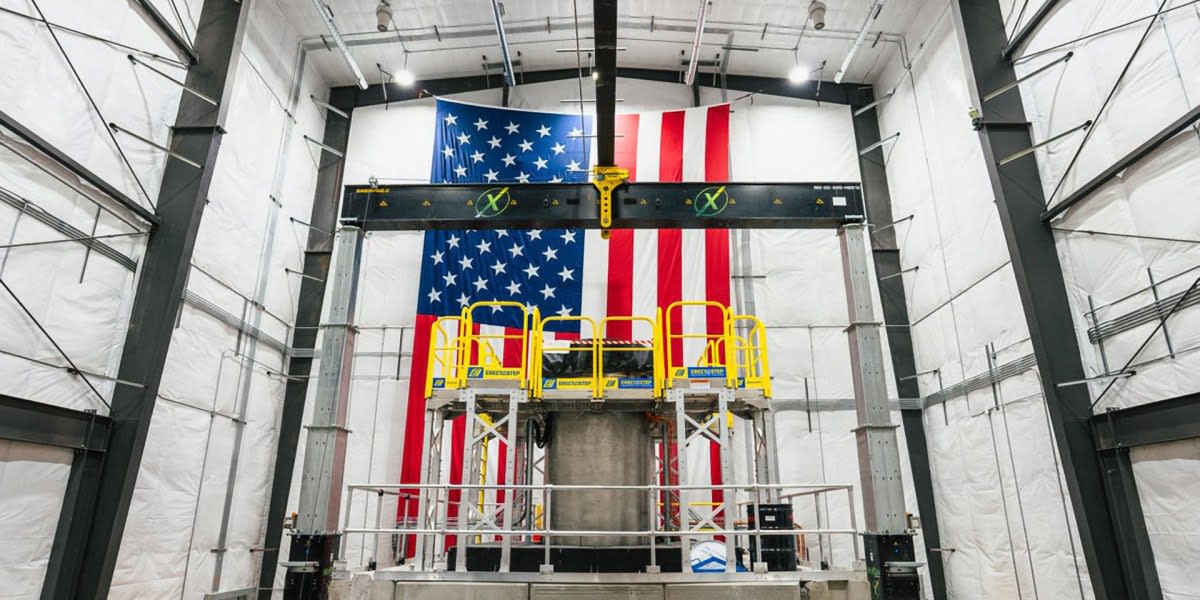
The energy transition and the explosive growth of artificial intelligence have collided at a historic crossroads. As organizations race to integrate generative models into their operational workflows, the invisible infrastructure—the power grid—is beginning to dictate the pace of digital transformation. The recent milestone of four major nuclear reactors coming online in the United States serves as a potent reminder that the "compute era" is not just about chips and software; it is about electrons.
For business leaders, this shift represents a move from viewing energy as an overhead line item to viewing it as a core strategic constraint. As companies scale their use of AI agents to automate complex cross-departmental tasks, the demand for sustained, reliable energy has shifted from a data center concern to a C-suite priority.
The Energy Ceiling for Enterprise Scale
The narrative in tech circles has long been dominated by the scarcity of silicon. We track Nvidia’s GPU shipments with the intensity of a stock ticker because they represent the "brains" of the modern enterprise. However, as these processors move from experimental sandbox environments to the production core of the business—automating everything from CRM data enrichment to real-time supply chain adjustments—the energy footprint of these models is reaching a ceiling.
Large-scale deployment of Generative AI is not merely a matter of buying licenses; it is a matter of capacity. When a company shifts from simple automated workflows to autonomous AI agents that require constant connectivity and processing power, the power density requirements in local data centers increase exponentially.
This creates a new "energy-first" methodology for digital transformation:
- Infrastructure Audit: Companies must now evaluate their digital tools not just by efficiency, but by the "power intensity" of the underlying models they leverage.
- Decentralized Compute: There is an emerging trend toward moving non-latency-sensitive AI workloads to regions with more stable and cleaner energy grids.
- Operational Longevity: Reliability is becoming a premium feature. Businesses that rely on high-uptime AI automations are seeking data partners that prioritize stable energy sources, such as nuclear and solar-hybrid setups.
Global Competition and the Geopolitical Compute Race
While the domestic US energy narrative gains momentum, the global stage remains hyper-competitive. Nations are not merely eyeing technological parity in software; they are aggressively pursuing the sovereign infrastructure required to run it. When we observe regional powers maneuvering to secure advanced AI hardware, we are witnessing the formation of a "compute-nativist" economy.
For the multinational organization, this creates a complex landscape. You are no longer just managing a global workforce; you are managing a global digital infrastructure that is subject to the localized stability of power grids and the shifting availability of high-performance compute chips. If your enterprise is running global Automation platforms that rely on centralized LLMs (Large Language Models), you must account for the reality that a localized energy shortage or a shift in hardware availability can cause a degradation in the performance of your automated business processes.
The ROI implications are clear: the cost of a "brownout" in your digital workflow is now significantly higher than it was five years ago. If your CRM or your customer-facing chatbots are powered by energy-intensive models, an inefficient infrastructure strategy can lead to latency spikes that directly impact customer satisfaction and conversion rates.
Actionable Strategy for the Next Cycle
The immediate takeaway for leadership is to shift toward an "energy-aware" architectural strategy. Do not build your next automation suite or AI integration without a clear understanding of the infrastructure it relies upon. Leaders must prioritize systems that are model-agnostic—allowing the enterprise to swap between high-power, high-performance models and lighter, specialized models that can run on edge-computing resources or lower-power environments.
To future-proof your organization, consider the following:
- Optimize Model Selection: Don’t use a massive foundational model for a simple task that could be handled by a smaller, more energy-efficient specialized agent.
- Build for Resilience: Ensure your digital transformation projects incorporate redundant cloud regions, specifically targeting providers with robust, green energy commitments.
- Strategic Capacity Planning: Treat your software's energy requirements as part of your procurement strategy, just as you would treat the capital expenditure of hardware.
Ultimately, we are moving away from the era of "infinite compute" and toward an era of "intelligent resource allocation." Success in the next three years will not just go to the company with the most sophisticated AI; it will go to the company that can orchestrate that AI across an increasingly constrained and volatile energy landscape.
At AOODAX, we understand that bridging the gap between high-level business strategy and technical execution is the primary hurdle for leaders today. By deploying tailored AI agents, we help businesses navigate these infrastructure complexities, ensuring that your digital transformation efforts remain efficient and scalable regardless of underlying power or compute constraints.