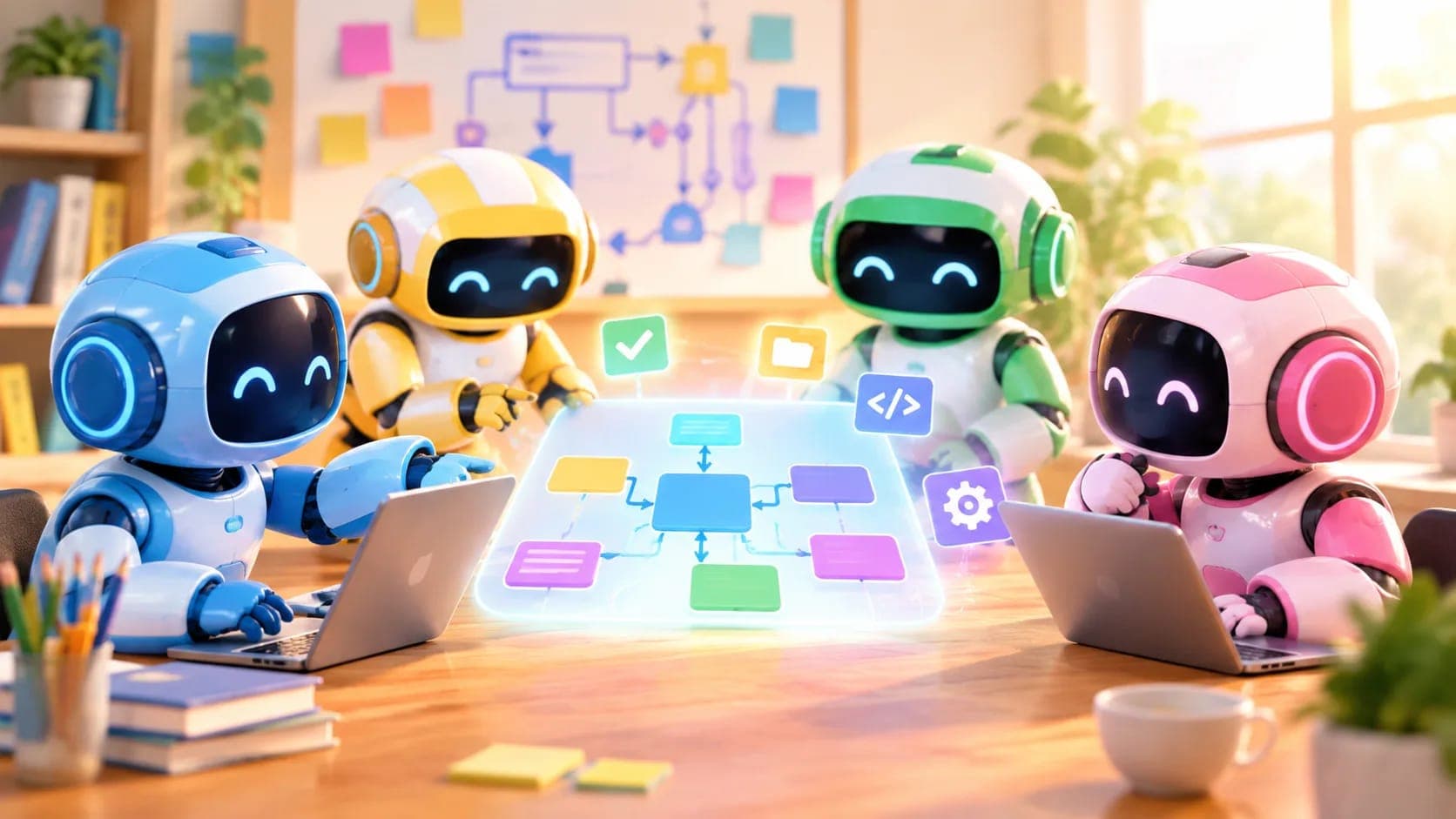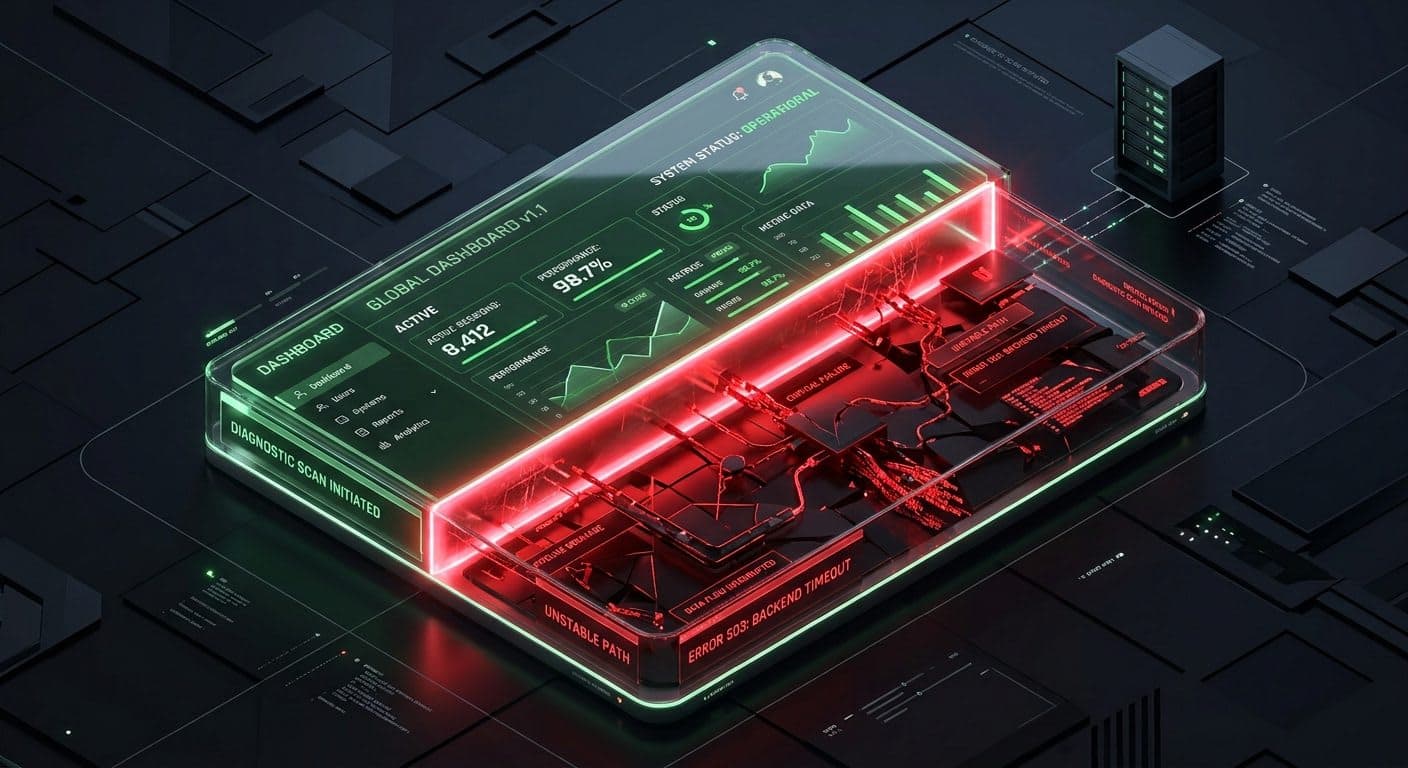
The shift from passive chatbots to proactive AI Agents represents the most significant leap in enterprise technology since the advent of cloud computing. While early Large Language Models (LLMs) were restricted to generating text within a vacuum, the advent of Tool Calling—also known as function calling—has effectively granted these models a "hands-on" interface with the digital world. For business leaders, this is the bridge between AI as a conversational novelty and AI as a high-octane operational engine.
From Conversation to Execution
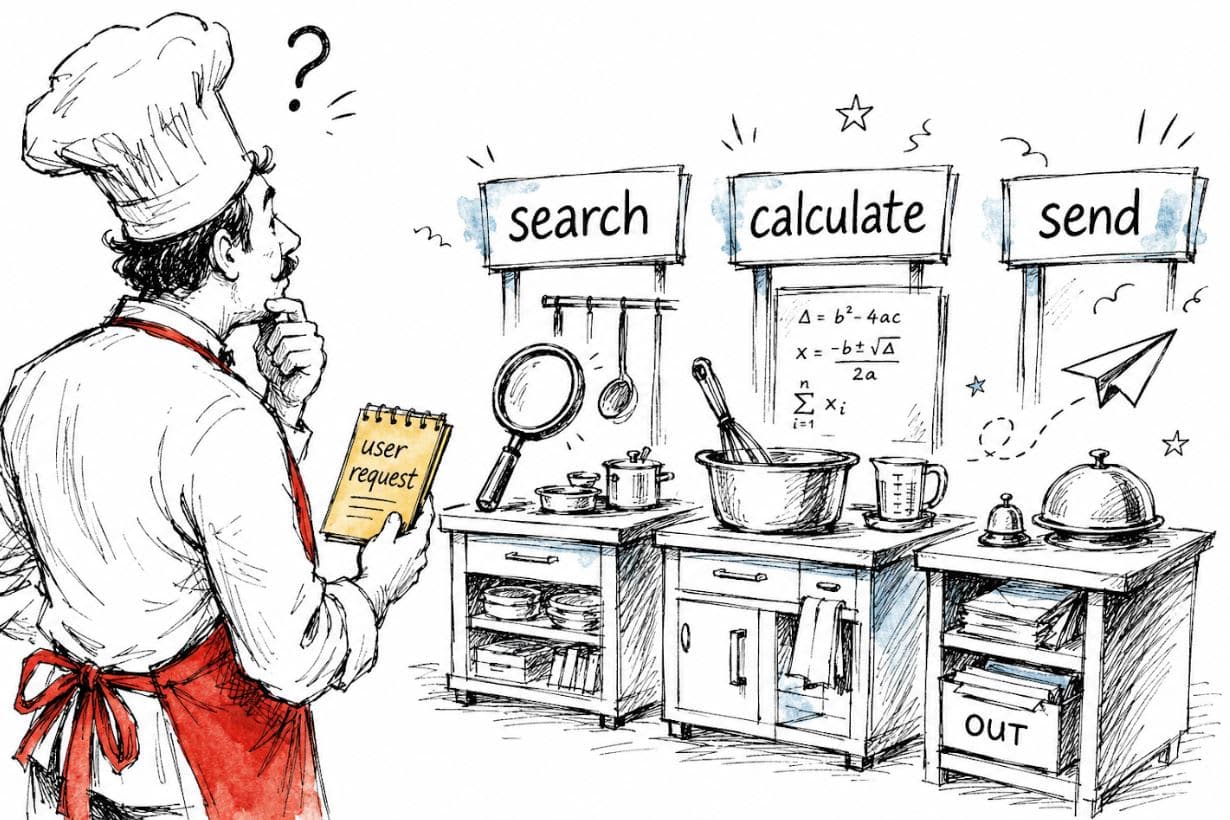
At its core, tool calling is the mechanism that allows an LLM to transcend its internal knowledge base. Instead of merely predicting the next word in a sentence, the model is trained to recognize when a query requires an external action. When a user asks an AI to "check the status of order #402," the model doesn't hallucinate a shipping date. Instead, it identifies the correct API call, extracts the necessary parameters, and executes a query against your ERP or CRM system.
This architecture fundamentally changes how we view automation. Rather than building rigid, hard-coded workflows that break the moment a parameter changes, modern AI agents utilize dynamic decision-making. They can:
- Identify the intent behind a natural language request.
- Select the most appropriate tool or service from a provided library.
- Format input data to meet the technical specifications of external software.
- Synthesize the tool's output back into a human-readable response.
The ROI of Integrated Intelligence
For the enterprise, the transition to agentic workflows is primarily a story about efficiency and cost reduction. Traditional digital transformation projects often stalled due to the "silo problem," where data existed in disconnected systems like Salesforce, HubSpot, or proprietary databases. Tool calling allows businesses to wrap these legacy systems in a modern, conversational interface without requiring a total infrastructure overhaul.
The adoption trends are clear: companies that integrate AI agents into their middle-office operations see significant gains in resolution speed. By automating the "fetch-and-update" tasks that previously occupied skilled human analysts, organizations can shift human capital toward high-value strategy rather than data retrieval. The ROI is immediate—lower operational overhead and a drastic reduction in time-to-resolution for customer-facing inquiries.
The Path Forward
As these models become more sophisticated, the focus will shift from simply connecting to tools to managing complex multi-step reasoning chains. We are moving toward a future where agents act as autonomous orchestrators, capable of chaining together five or six different software tools to complete a business process—such as processing a complex return, updating inventory, and triggering a customer loyalty discount, all in one seamless flow.
Business leaders must recognize that tool calling is the standard for the next generation of enterprise software. The competitive advantage will belong to those who can map their proprietary workflows into modular, agent-ready interfaces.
At AOODAX, we help organizations navigate this shift by building bespoke AI Agents that integrate directly into your existing tech stack, allowing your team to focus on growth while our automations handle the technical heavy lifting. If you are looking to bridge the gap between static data and actionable intelligence, our team is equipped to help you architect the right integration strategy.