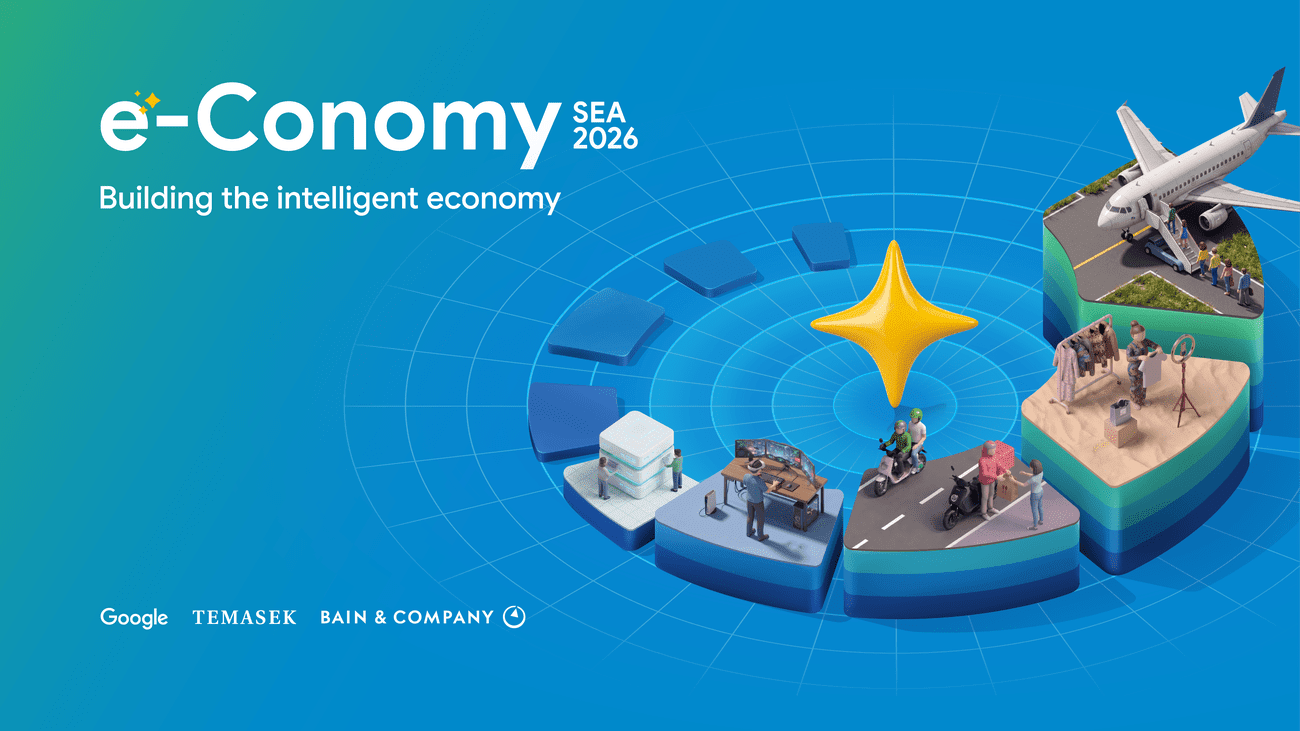
The platform-as-a-service model has reached a critical inflection point. For years, the digital economy was defined by the quest for the "super-app"—the singular digital destination that promised to handle every aspect of a consumer's life, from morning coffee orders to late-night travel bookings. However, the current strategy shift at major technology incumbents reveals a more nuanced, disciplined approach: success is no longer defined by how many services you can cram into a single interface, but by how effectively you can leverage Artificial Intelligence (AI) to solve specific, high-friction problems.
Recent industry movements, particularly within the mobility and logistics sectors, demonstrate a pivot away from horizontal expansion toward deep, vertical integration. Leaders are now prioritizing the "intent-based" experience, where technology acts not as a bloated storefront, but as a silent, high-efficiency orchestrator. This evolution marks a transition from simple digital services to the era of Autonomous Agents—systems that do not just display information but execute complex, multi-step tasks on behalf of the user.
The Shift from "Everything" to "Essential"
For a long time, the dominant narrative in tech strategy was the "Everything App." While the goal was to increase the daily active usage of a platform, the reality often resulted in user fatigue and bloated, slow-moving software architectures. Today, the most successful companies are taking a page from the playbook of product efficiency: stop trying to be everything for everyone, and start being the best version of your core identity.
At the heart of this transition is the strategic deployment of data-driven intelligence. By narrowing the product focus, companies are freeing up the engineering capital necessary to deploy sophisticated AI models that improve the core user journey. For instance, in the world of ride-sharing and logistics, we are seeing:
- Predictive Routing: Moving beyond static GPS to real-time adjustments based on granular urban traffic patterns.
- Dynamic Resource Allocation: Using machine learning to match supply and demand, not just in volume, but in service-level quality.
- Operational Transparency: Providing business stakeholders with automated, high-fidelity data feeds that inform ROI, rather than just raw trip metadata.
For business leaders, this trend offers a vital lesson: Digital Transformation is not synonymous with adding features. It is synonymous with removing friction. When a company decides to specialize, it can focus its AI integration on the areas that move the needle for revenue, such as reducing churn or increasing the lifetime value of a customer, rather than spreading thin across tangential markets.
The Convergence of AV and AI Agents
Perhaps the most significant development in modern tech is the tightening relationship between Autonomous Vehicles (AV) and the AI-driven ecosystem. The industry is moving past the experimental phase where "self-driving" was a standalone PR goal. It is now becoming a backend component of a larger supply chain management puzzle.
Consider the role of data labs in this evolution. These operations are not just testing cars; they are building the "digital twins" of urban environments. For the enterprise, this implies a future where physical movement is treated as a programmatic variable. We are seeing a move toward Automation that encompasses:
- Automated Dispatching: Reducing the reliance on manual intervention in high-complexity logistics scenarios.
- Precision Customer Experience: Using AI to understand the specific needs of a rider or a commercial client before the request is even completed.
- Cross-Platform Interoperability: Integrating autonomous fleets into existing enterprise resource planning (ERP) or Customer Relationship Management (CRM) systems to create a seamless end-to-end service delivery model.
This is where the ROI becomes visible. Companies that effectively integrate their logistics data with their customer-facing AI agents will gain an insurmountable advantage in speed and reliability. The goal is no longer just to complete a trip; the goal is to optimize the entire lifecycle of the transaction, ensuring that every touchpoint—from booking to delivery—is handled with surgical precision.
Strategic Implications for the Future
As we look toward the next three to five years, the winning organizations will be those that master the art of "intelligent orchestration." This means building software that learns from every interaction, adapts to market volatility in real-time, and minimizes the cognitive load on both the end-user and the human operator.
For the modern enterprise, the takeaway is clear: the era of the monolithic, one-size-fits-all digital platform is fading. It is being replaced by modular, highly specialized ecosystems powered by advanced agents. Whether it is through the refinement of autonomous logistics or the implementation of hyper-personalized service layers, the focus must remain on utility. If a technological advancement doesn't directly contribute to the reduction of operational costs or the enhancement of the customer value proposition, it is likely a distraction.
Business leaders should evaluate their current tech stacks through this lens of utility. Are your digital assets working in concert to create a more efficient workflow, or are they silos of data that require constant manual synchronization? The focus should be on building systems that serve a specific purpose with unmatched competence, supported by the data intelligence required to remain competitive in a rapidly evolving market.
Achieving this level of operational efficiency requires more than just off-the-shelf software; it demands a strategy that blends human oversight with intelligent, autonomous systems. At AOODAX, we specialize in helping organizations design and deploy sophisticated custom software solutions that integrate these autonomous capabilities into your existing business architecture, ensuring that your digital evolution is both strategic and scalable.