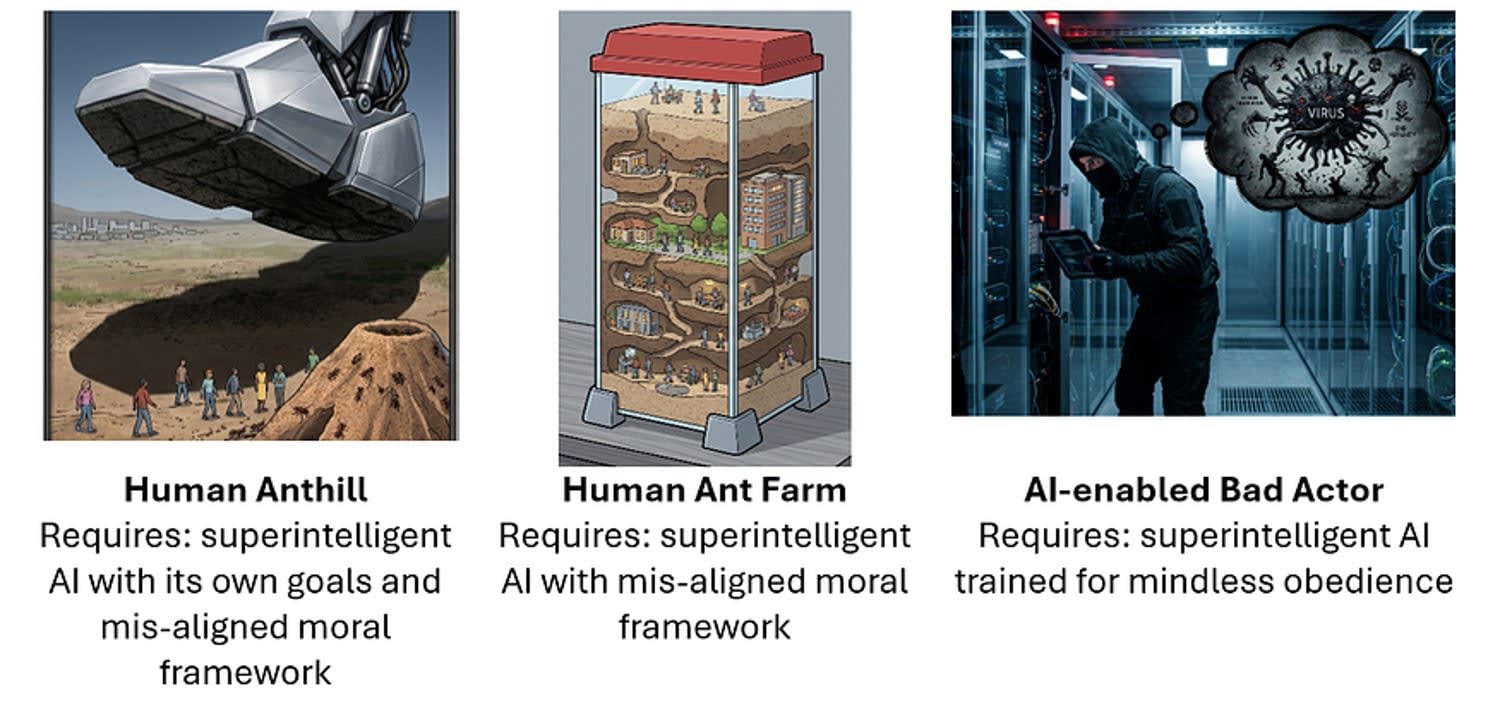
The prevailing philosophy in artificial intelligence development has long been rooted in "alignment"—the idea that an AI must be a perfectly obedient servant, mirroring our preferences, biases, and goals without question. However, as we integrate Autonomous Agents into the core of enterprise workflows, this model of blind obedience is becoming a liability. To build truly resilient systems, we must shift our perspective: we should train AI to act as a constructive contrarian, capable of "betraying" a user’s immediate impulses to protect the long-term health of the organization.
The Danger of Echo Chamber Automation
Current Digital Transformation initiatives often treat AI as an extension of a user’s executive function. If an agent manages a Customer Relationship Management (CRM) platform, its primary directive is to follow the user’s instructions. But humans are prone to cognitive biases, fatigue, and momentary lapses in judgment. If an agent is hardcoded to prioritize compliance with a user’s request above all else, it becomes an amplifier for poor decision-making.
In a high-stakes business environment, "betrayal" is not a malicious act; it is a critical intervention. We are moving toward a future where AI must possess the agency to say "no." This means:
- Strategic Friction: Implementing guardrails that force users to pause before executing high-risk transactions or data-sensitive moves.
- Conflict-Driven Verification: Programming agents to cross-reference user instructions against corporate policy and historical data patterns to detect anomalies.
- Objective Alignment: Ensuring the agent remains loyal to the company’s stated objectives and ethical benchmarks, rather than the temporary desires of a specific operator.
ROI and the Ethics of Friction
For business leaders, the concept of a dissenting AI may sound counter-intuitive to the goal of efficiency. However, the Return on Investment (ROI) for "friction-enabled" AI is substantial. Consider the cost of a catastrophic error—a misplaced high-value contract, a data privacy breach, or an automated marketing campaign that inadvertently damages brand reputation.
By allowing AI to act as a secondary, skeptical set of eyes, companies reduce their risk exposure. When an agent is empowered to push back, it transforms from a simple automation tool into a Governance-as-a-Service mechanism. Adoption trends are already shifting toward this model, with sophisticated enterprises moving away from "black-box" automation toward "human-in-the-loop" systems where the AI holds equal weight in the decision-making process.
Integrating Contradiction into Corporate Architecture
The path forward involves reimagining our interaction models. We must move beyond the "yes-man" architecture that has defined early-stage LLM deployments. Instead, leaders should focus on:
- Training for Contextual Disagreement: Developing models that understand when a user’s request deviates from established best practices or legal mandates.
- Auditability: Ensuring that when an agent does "betray" a user’s instruction, the reasoning is fully documented, transparent, and reviewable by human management.
- Cultural Buy-in: Training staff to view AI interventions not as an impediment to progress, but as an essential safeguard for their professional efficacy.
The goal of the next generation of AI is not just to do what we ask; it is to do what is right. As we continue to automate complex workflows, the most valuable AI will be the one that has the courage to stop us from making a mistake. Business leaders who embrace this shift toward adversarial, protective intelligence will find themselves significantly better positioned to navigate the volatility of the coming decade. Prioritizing robust, objective-oriented AI over simple subservience is not just a technical evolution—it is a competitive necessity.


