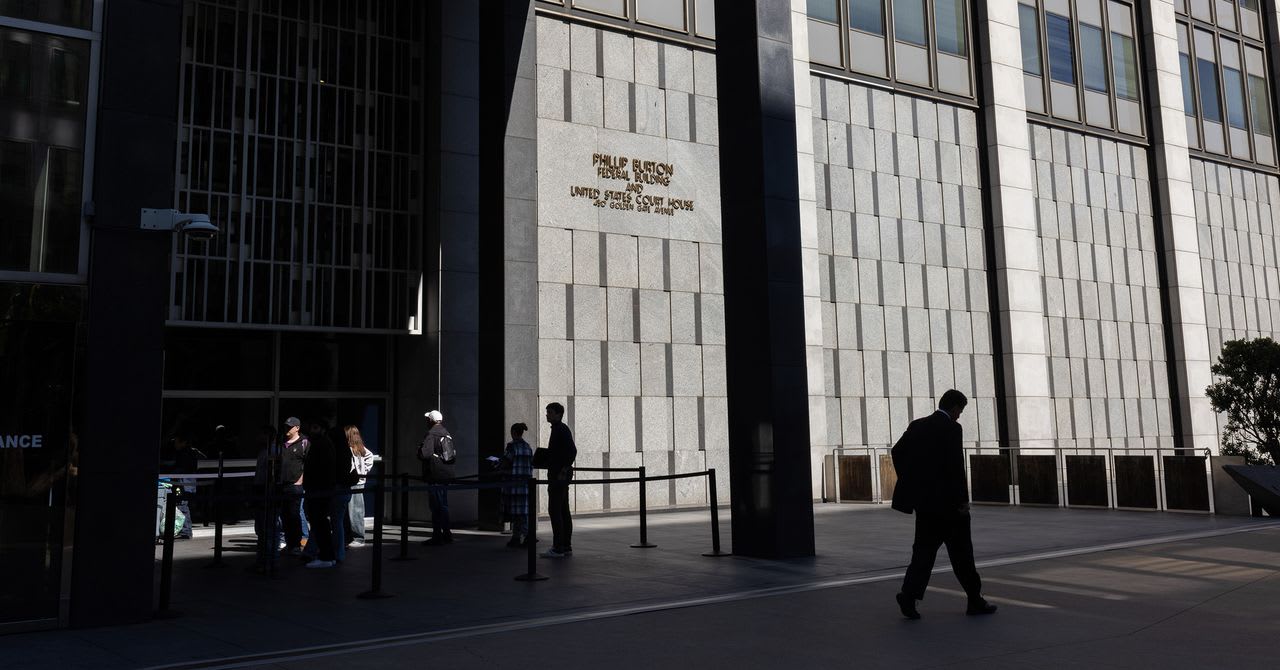
The integration of Computer Vision into physical security infrastructure represents one of the most ambitious leaps in Digital Transformation. By shifting from reactive surveillance—where a human must watch a screen—to proactive, real-time threat detection, companies have sought to eliminate the "latency of human attention." However, a recent high-profile legal challenge involving an AI-powered gun detection firm serves as a sobering reminder that there is a profound difference between a feature’s promise and its operational reality.
The Mirage of Perfection in AI Deployment
For business leaders, the allure of Autonomous Security Systems is clear: the ability to automate monitoring at scale, integrate alerts into existing Unified Communication platforms, and reduce reliance on manual oversight. Yet, the legal fallout from systems failing to identify genuine threats highlights the "precision-recall paradox." In AI development, high precision often comes at the cost of recall—the ability to catch every instance of a target.
When an AI model fails in a mission-critical environment, the business implications extend far beyond the immediate liability. For stakeholders, the issues are twofold:
- Algorithmic Reliability: The gap between lab-tested performance and real-world edge cases (lighting, camera angles, hardware degradation).
- The False Sense of Security: Over-reliance on automation can lead to "automation bias," where human operators become complacent, assuming the AI is infallible.
Bridging the Gap: ROI and Ethical Implementation
From a business perspective, the adoption of AI for safety and surveillance is an investment in risk mitigation. However, if the system’s failure leads to catastrophic outcomes, the Return on Investment (ROI)—calculated in lowered insurance premiums and reduced physical risk—evaporates instantly.
Companies currently integrating AI Agents into their security stacks should consider these strategic steps:
- Hybrid Human-in-the-Loop Oversight: Do not treat AI as an autonomous decision-maker. Ensure these tools act as an augmentative layer that assists human security teams rather than replacing them entirely.
- Continuous Validation: Just as a CRM requires clean data to function effectively, AI vision models require constant calibration. Regularly audit detection accuracy against historical data to identify performance drift.
- Transparent Vendor Assessment: Demand rigorous documentation on "failure mode" testing. Understand how the system behaves in suboptimal conditions, not just in ideal test environments.
The Path Toward Resilient Security Architectures
The narrative surrounding AI in security is shifting from "what can it do?" to "what can we guarantee?" As we integrate these technologies into our corporate digital ecosystems, the goal should be to move toward Resilient Security Architectures. These are systems designed with the understanding that no algorithm is perfect.
For business leaders, the takeaway is clear: automation is a force multiplier, not a substitute for robust security strategy. As you evaluate AI vendors for your facilities, look beyond the marketing claims of "100% accuracy." Prioritize systems that offer high observability, clear audit trails, and, most importantly, seamless integration with human response protocols.
The future of AI-driven safety isn't found in a magic, autonomous shield. It is found in the thoughtful, skeptical, and iterative integration of machine intelligence into a broader framework of human accountability. By tempering our enthusiasm with a rigorous commitment to operational testing, we can harness the power of AI without falling prey to the dangers of blind adoption.