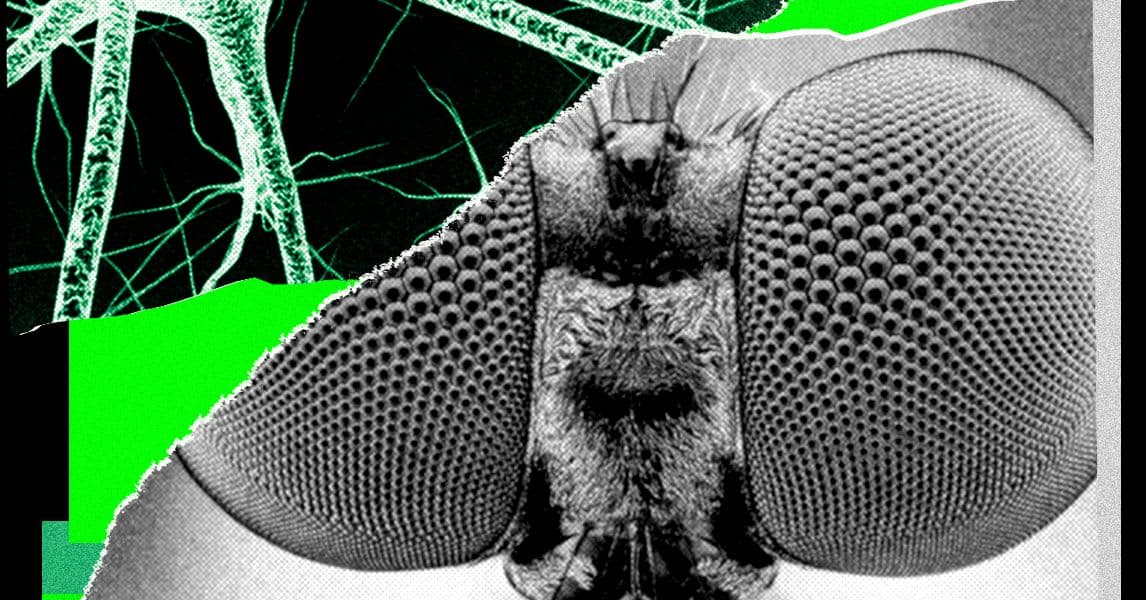
The rapid evolution of neural mapping has long been relegated to the quiet corridors of academic neurobiology. However, the recent emergence of open-source connectomics—specifically the high-resolution mapping of the Drosophila melanogaster (fruit fly) brain—has ignited a surprising intersection between biological modeling and generative AI. While the notion of "coding with a fly’s brain" sounds like the premise of a cyberpunk novel, it serves as a potent case study for how business leaders can leverage non-traditional neural architectures to solve complex creative and logistical problems.
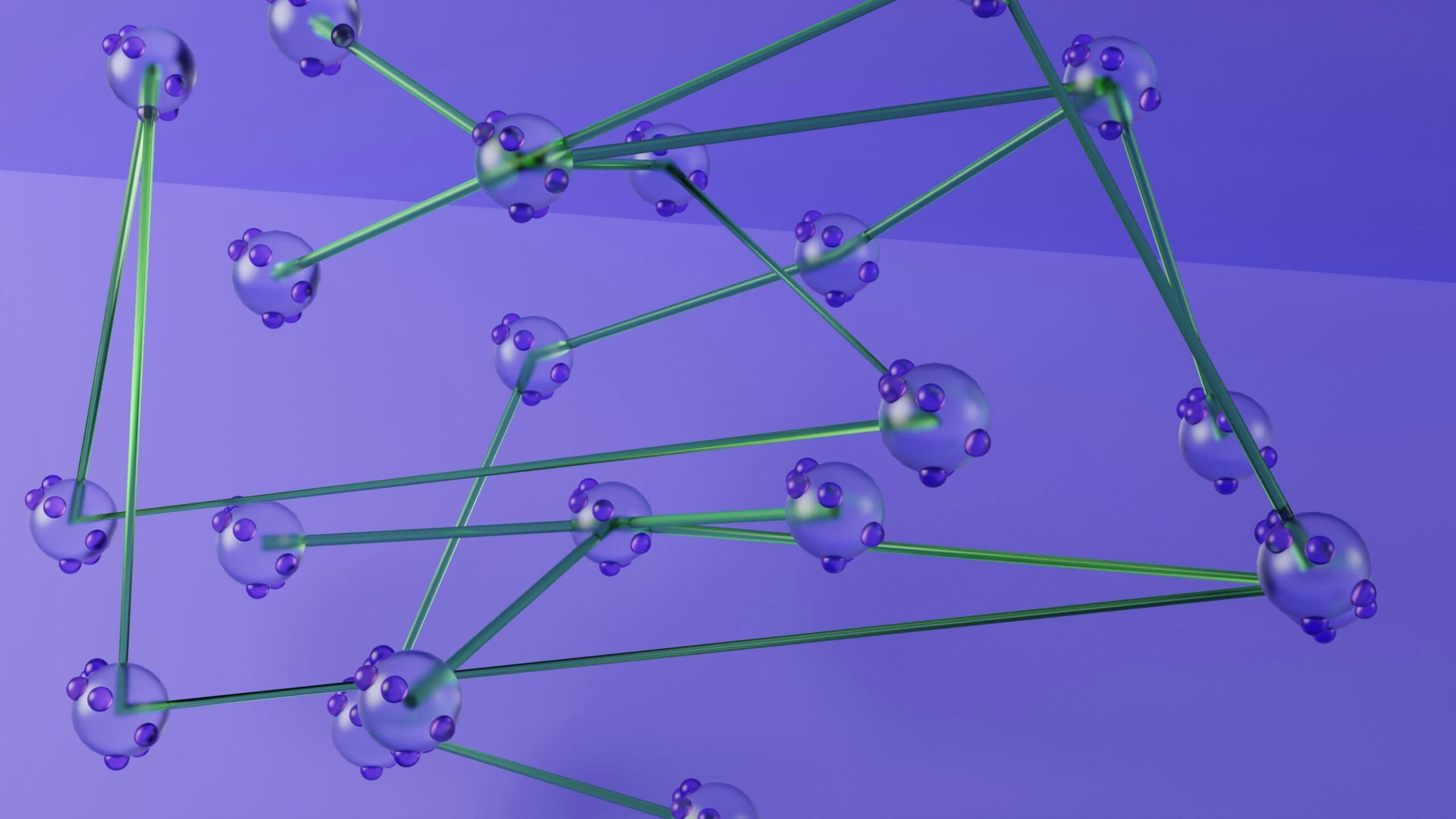
The technical breakthrough here lies in the translation of biological data into functional logic. By mapping the roughly 140,000 neurons and 50 million synapses of a fruit fly, researchers have created a blueprint for efficient, low-energy processing. When applied to large language models (LLMs) or automated reasoning agents, this biological scaffolding challenges the current trend of "bigger is better." Instead, we are looking at a future where modular, bio-inspired neural networks could potentially optimize the way we process vast streams of corporate data.
The Shift Toward Bio-Inspired Neural Efficiency
In the current enterprise landscape, Digital Transformation is frequently synonymous with scaling massive compute resources. We feed larger datasets into increasingly power-hungry transformer models, often encountering diminishing returns in creative output or reasoning efficiency. The experiment of utilizing a fly’s neural circuitry to drive ideation engines highlights a critical adoption trend: the move toward Neuromorphic Computing principles in software architecture.
When companies attempt to automate creative ideation or complex decision-making, they often encounter "hallucination loops" or generic output. By applying constraints modeled after a fly's sensory-processing nodes, developers can force AI to prioritize distinct, non-linear connections rather than simply predicting the next most probable word. For business leaders, this has immediate implications for the bottom line:
- Reduction in Compute Costs: Bio-inspired architectures require fewer parameters to achieve specific cognitive tasks, directly reducing cloud infrastructure spend.
- Enhanced Serendipity: Traditional LLMs are trained to favor the mean; bio-inspired models can be tuned to favor the edges, leading to more innovative product naming, marketing copy, or strategic pivots.
- Energy Efficiency: As sustainability becomes a core pillar of corporate governance, models that mimic the efficiency of biological organisms provide a pathway toward greener AI operations.
The ROI implications are profound. If a model can generate high-value, unique strategic insights with a fraction of the parameter count of a standard LLM, the barrier to entry for bespoke, high-performance internal AI agents drops significantly.
Integrating Neural Logic into Enterprise Workflows
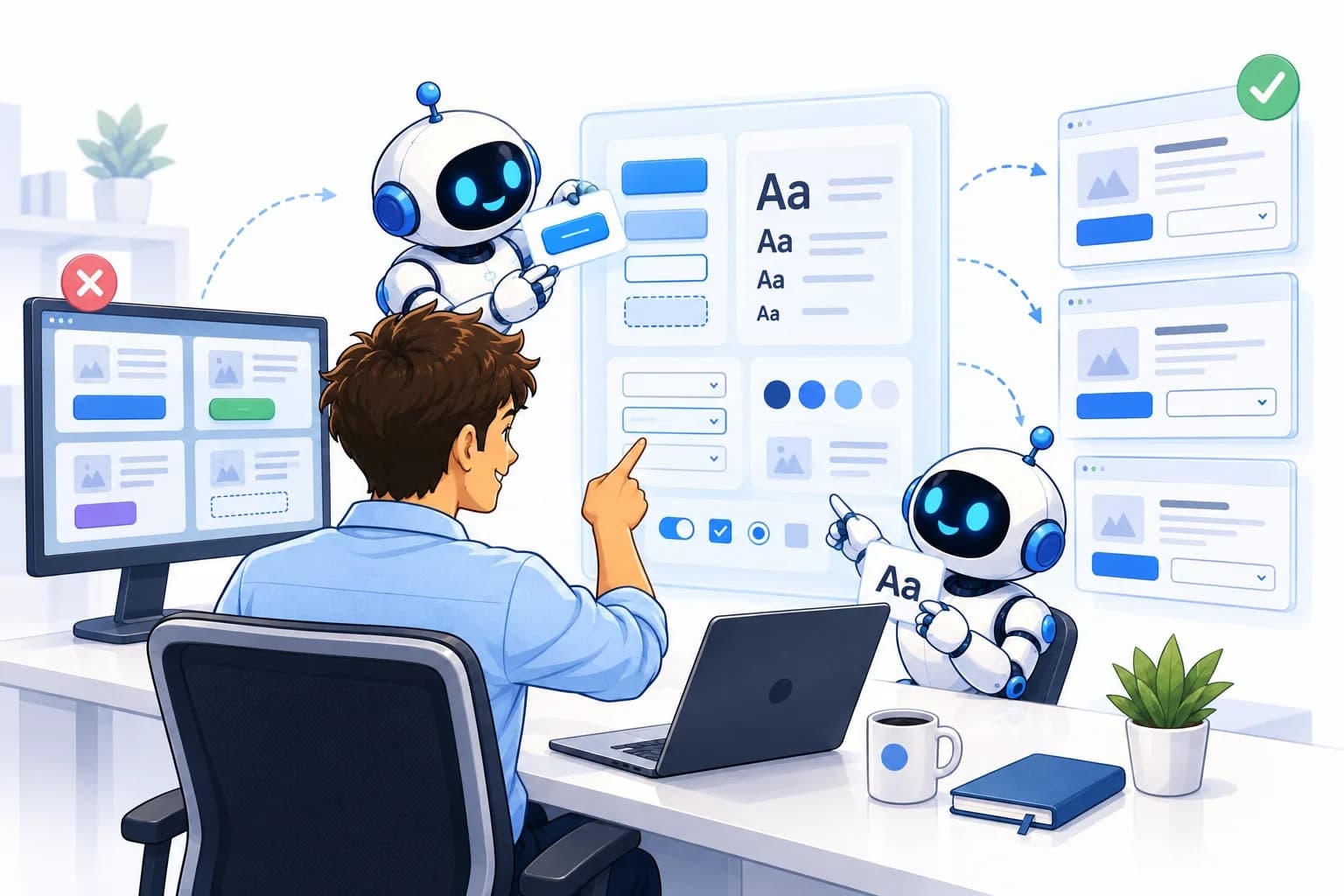
The path from experimental neuro-modeling to enterprise-grade Automation is shorter than it appears. We are already seeing businesses move away from monolithic, one-size-fits-all AI solutions toward "swarm-based" or "agentic" workflows. In this model, small, specialized agents act like the specialized neurons in a fly’s brain, each tasked with a specific cognitive function—one for data analysis, one for creative ideation, and one for sentiment validation.
This transition requires a shift in how IT leadership views CRM and internal data architecture. If your data is siloed, these agents cannot map the neural "synapses" required to connect a customer service interaction to a product development breakthrough. Companies that succeed in this era will be those that view their proprietary data not just as a static archive, but as a living "connectome" that their AI agents can navigate to discover new business value.
To effectively harness these forward-looking neural models, leaders should prioritize the following:
- Modular Architecture: Audit existing systems to ensure they can support specialized, smaller-scale AI agents rather than relying on a single, expensive black-box model.
- Data Liquidity: Invest in infrastructure that allows information to flow freely between departments, mimicking the high-speed connectivity of a neural network.
- Human-in-the-Loop Oversight: Just as biological brains have inhibitory mechanisms to regulate activity, business AI needs human-centric governance to ensure output remains aligned with corporate strategy.
The Future of Synthetic Cognition
As we move deeper into the decade, the distinction between silicon-based logic and bio-inspired heuristics will continue to blur. We are entering an era where AI is not just a tool for prediction, but a partner in synthetic cognition. For the executive, this is not a call to rush into exotic neuro-engineering, but a call to re-evaluate the rigid structures of legacy software. The companies that gain a competitive advantage will be those that embrace more organic, responsive, and efficient ways of processing information.
This transition demands a clear vision of how automated systems can amplify human intent rather than replace it. Whether you are looking to integrate specialized AI agents into your existing CRM or seeking to optimize your digital architecture for greater creative output, the goal remains the same: building systems that are as adaptable as they are powerful.
At AOODAX, we specialize in helping businesses navigate this transition through the implementation of intelligent AI agents, allowing you to streamline workflows and unlock new layers of operational efficiency in an increasingly automated world.