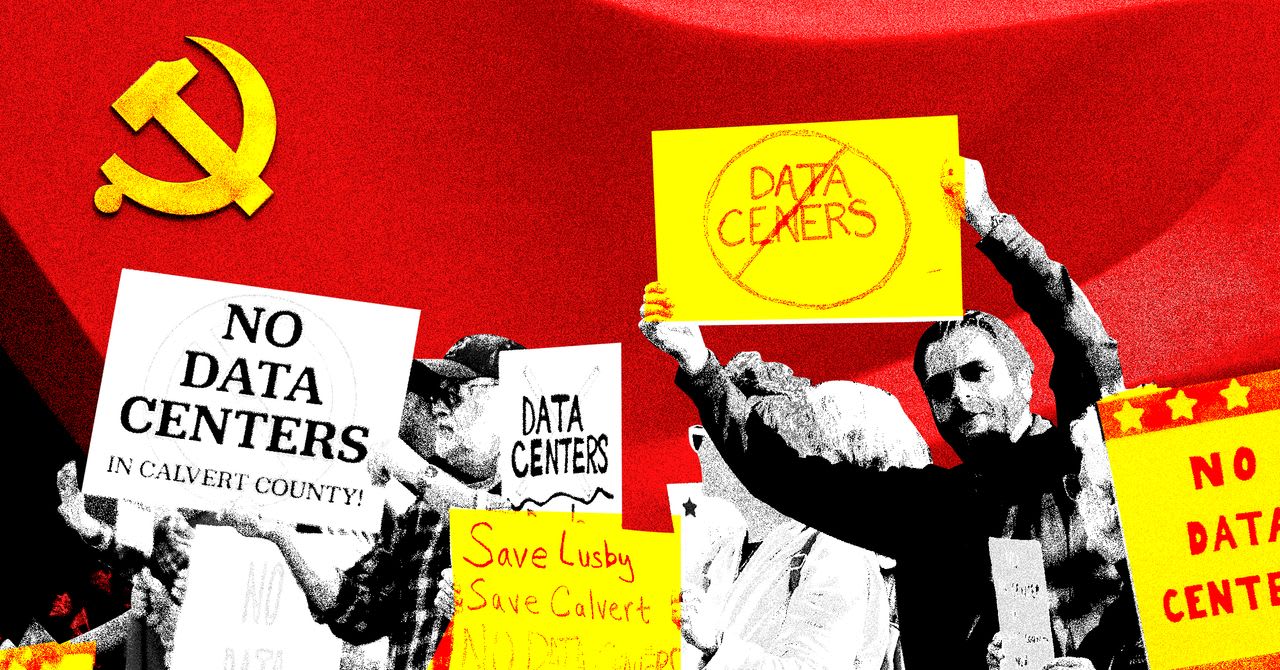
The rapid expansion of the digital infrastructure required to fuel the Generative AI revolution has triggered a wave of "Not In My Backyard" (NIMBY) sentiment across the United States. Recently, there has been a recurring narrative—promoted by some lawmakers and industry figures—that this local opposition is being steered by foreign adversaries, specifically China, looking to undermine American technological dominance. However, framing data center resistance as a product of foreign espionage ignores the complex, localized realities of modern infrastructure development.
The Reality of Infrastructure Friction
For business leaders, it is essential to distinguish between geopolitical fear-mongering and the tangible socio-economic tensions driving local opposition. The friction surrounding data centers—massive facilities housing the servers required for Large Language Models (LLMs)—is rarely about national security for the average resident. Instead, it revolves around three core concerns:
- Resource Strain: Data centers are massive consumers of water for cooling and electricity for computation, placing significant pressure on local utility grids.
- Environmental Impact: Communities are increasingly sensitive to the carbon footprint and noise pollution associated with 24/7 server operations.
- Economic Inequality: Residents often perceive these facilities as "job-light" infrastructure that offers few benefits to the local tax base while consuming precious land and energy.
Attributing these legitimate community grievances to external subversion is a convenient distraction. It allows stakeholders to avoid the harder work of community engagement, grid modernization, and sustainable site planning. For the technology sector, ignoring these local roots risks stalled projects, prolonged litigation, and significant hits to the Return on Investment (ROI) for massive capital expenditures.
Implications for Digital Transformation
As companies push forward with Digital Transformation initiatives, the physical footprint of their tech stack matters. The pushback against physical servers is accelerating a shift toward more efficient, distributed computing models. Businesses are no longer just asking "how much compute do we need?" but "where is it coming from and what is the local impact?"
This transition forces a more strategic approach to Cloud Computing and edge infrastructure. If an organization plans to integrate AI Agents or automated workflows into their operations, they must consider the reliability and social stability of the regions hosting their data. An infrastructure plan that ignores local community sentiment is a plan destined for regulatory hurdles.
Moving Toward Sustainable Integration
To remain competitive, forward-thinking organizations must look past the geopolitical headlines. Leaders should prioritize transparency in their infrastructure procurement and look for providers that invest in renewable energy and community-positive data center design. The future of AI adoption does not hinge on blaming foreign actors; it hinges on building a sustainable, socially responsible foundation for the hardware that powers our digital economy.
As you navigate the complexities of scaling your technological footprint, remember that the most successful digital strategies are those built on robust, sustainable architecture. AOODAX helps businesses streamline this process by designing custom AI agents that integrate seamlessly with your existing infrastructure, allowing you to focus on innovation while we handle the complexities of your intelligent ecosystem.