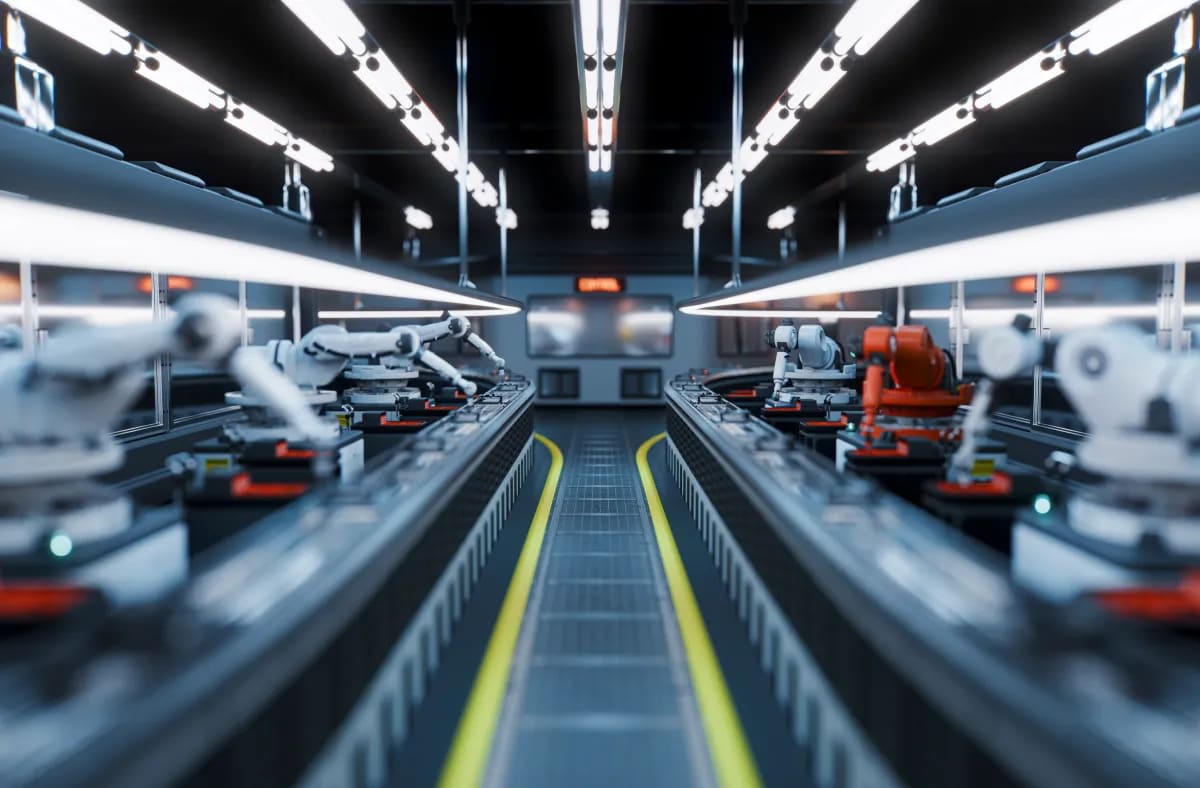
The industrial sector is currently witnessing a fascinating collision between the rapid-fire iteration philosophy of Silicon Valley and the heavy-duty, long-cycle requirements of power generation. Elon Musk’s recent pivot toward establishing a proprietary foundry for gas turbine blades is more than just a logistical workaround; it is a fundamental re-evaluation of how companies can bypass traditional, sluggish supply chains to capture market share in an energy-starved economy.
By bringing the manufacturing of critical hardware components in-house, Musk is attempting to collapse an 18-month lead time into a fraction of that window. For any business leader watching the horizon, this represents a quintessential case study in Vertical Integration 2.0. While the immediate goal is to accelerate the deployment of gas-powered energy to feed the insatiable demand of hyperscale data centers and manufacturing facilities, the move signals a broader trend: the era of relying on legacy industrial procurement is closing.
The Speed-to-Market Paradox
The manufacturing of gas turbine blades—highly precise, heat-resistant components—has historically been the domain of specialized industrial giants. These companies operate within a high-moat, low-velocity environment. By applying the "SpaceX methodology"—iterative, software-defined design and rapid prototyping—to turbine metallurgy, Musk is effectively forcing a paradigm shift.
For business leaders, the potential Return on Investment (ROI) here is significant. When your energy infrastructure is stalled for over a year due to supply chain bottlenecks, the cost is not just measured in capital expenditure; it is measured in lost productivity, deferred Digital Transformation initiatives, and the inability to scale computational capacity.
However, this shortcut comes with a complex baggage train. As companies race to secure reliable power, the environmental footprint of these traditional turbine technologies is becoming a point of contention. We are seeing an uptick in litigation and health-related regulatory oversight surrounding turbine operations. This creates a "compliance-versus-velocity" trap:
- Operational Velocity: The ability to bring power online faster secures an immediate competitive edge in high-compute markets.
- ESG and Regulatory Risk: The long-term cost of ignoring environmental impacts can lead to costly litigation, operational shutdowns, and brand degradation.
- Technological Lock-in: Investing in gas turbine infrastructure now, even if deployed rapidly, ties a company’s long-term sustainability profile to a fuel source currently facing significant scrutiny.
The Role of AI in Industrial Lifecycle Management
If we look past the metallurgy, the real intelligence behind this shift lies in how the foundry is operated. To achieve such a drastic reduction in lead times, it is not enough to just "build things faster." You must automate the feedback loops between production and performance.
Modern manufacturing is increasingly reliant on AI Agents that monitor metallurgical integrity in real-time, predicting component failure before it happens. By feeding real-world operational data back into the design phase, companies can iterate on their turbine geometry without the traditional months-long testing cycle. This is the integration of Automation at its highest level: the foundry is not just a factory; it is a living laboratory where the hardware constantly refines itself.
This trend toward high-velocity manufacturing is being mirrored in the digital realm. Businesses that can shorten the distance between a requirement and its solution—whether that solution is a turbine blade or a software architecture—are those that will define the next decade.
The integration of advanced systems requires an orchestration layer that traditional CRM or ERP platforms often struggle to provide. When businesses integrate custom AI workflows, they aren't just speeding up processes; they are building institutional knowledge that makes future scaling significantly easier.
Strategic Takeaways for Leadership
For business leaders across the tech and industrial sectors, the lesson is clear: dependency on external, slow-moving supply chains is a strategic vulnerability. The move to bring critical production in-house—or to build high-level partnerships that simulate that level of control—is becoming a baseline requirement for scaling.
As you evaluate your own infrastructure, consider the following strategic pivots:
- Audit your dependency map: Identify the "long-pole" items in your supply chain that could be solved through internal automation or software-defined design.
- Prepare for the regulatory shift: Do not optimize for speed at the expense of ignoring the tightening environmental scrutiny on your chosen infrastructure.
- Leverage the data loop: Ensure that every piece of hardware or software you deploy is instrumented to provide data that feeds back into your R&D engine.
The companies that thrive in the coming years will be those that manage to balance extreme operational speed with a long-term view of systemic risk. The goal is to move fast, but to build a foundation that is resilient enough to withstand the inevitable regulatory and social challenges that accompany rapid industrial growth.
At AOODAX, we understand that orchestrating these complex, high-velocity workflows is the primary challenge for the modern executive. By implementing custom AI agents, we help businesses streamline their internal processes and data flows, ensuring that your digital infrastructure is as agile as your strategic vision.