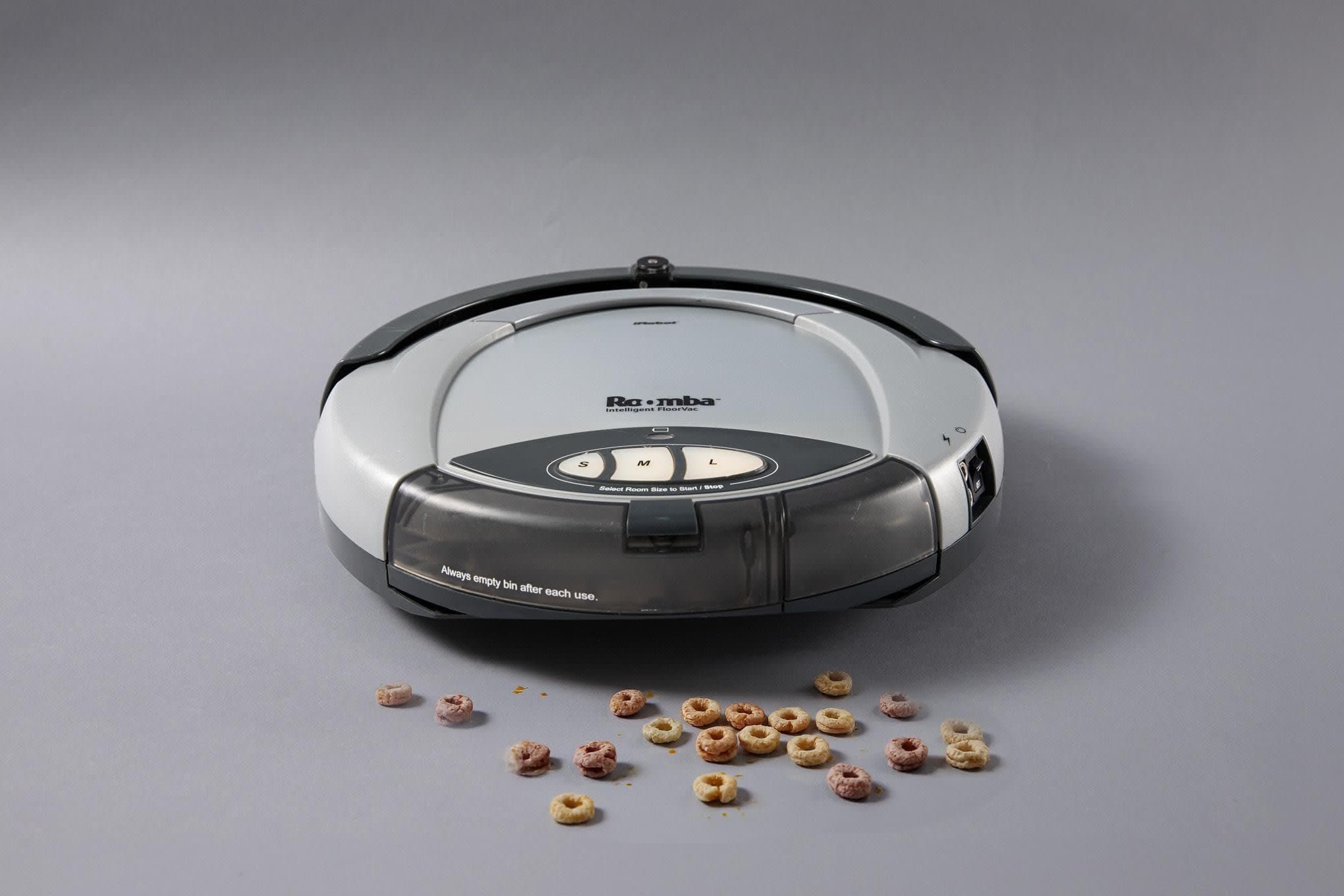
In the early 2000s, the arrival of the Roomba by iRobot was met with skepticism. Critics dismissed it as a novelty—a noisy, erratic puck that bumped into furniture with zero grace. Yet, the public didn’t just accept it; they adopted it. Users began naming their vacuums, anthropomorphizing a collection of sensors and plastic that lacked anything resembling modern machine learning. This was the first, critical lesson in the consumer robotics revolution: functionality matters less than the emotional connection and the perceived utility of automation.
Today, as business leaders, we are witnessing a similar transition in the enterprise software space. We have moved past the era of "dumb" automation—scripts that execute rigid, linear tasks—into the era of AI Agents. The Roomba succeeded not because it was the most efficient vacuum in the world, but because it solved a recurring, low-value task that humans despised. For the modern enterprise, the parallel is clear: true digital transformation happens when we stop trying to build "perfect" systems and start building agents that integrate seamlessly into the messy, unpredictable reality of our daily operations.
The Evolution from Scripted Automation to Autonomous Agents
The history of the robotic vacuum serves as a case study for the current shift in Business Process Automation (BPA). Early automation tools were like the first-generation Roomba: they operated within a vacuum (no pun intended). They required precise environments, structured data inputs, and constant human supervision to reset when they encountered an obstacle. If the "bump sensor" was triggered—meaning a process hit an edge case—the system would simply stop.
However, the modern landscape of Artificial Intelligence has moved toward agents capable of context-awareness. Just as newer robovacs utilize LiDAR and SLAM (Simultaneous Localization and Mapping) to understand their surroundings rather than relying on trial-and-error, enterprise AI now navigates complex workflows by interpreting unstructured data.
For companies looking to leverage this, the ROI implications are profound. When you move from simple RPA (Robotic Process Automation) to intelligent agents, you gain:
- Resiliency: Unlike hard-coded scripts that break when a UI changes or a data field moves, AI agents use computer vision and NLP to adapt to changes in their environment.
- Scalability: You are no longer tethered to a 1:1 ratio of software to process; a single agent can manage multiple workflows across disparate applications.
- Contextual Intelligence: Agents can pull data from a CRM (Customer Relationship Management) system to personalize an interaction, rather than simply moving a record from point A to point B.
Bridging the Gap Between "Tool" and "Colleague"
The "lovability" of the Roomba was, in reality, a form of successful human-machine interface (HMI) design. It proved that if a machine reduces cognitive load, users will forgive minor inefficiencies. In an office setting, business leaders often fall into the trap of over-engineering, seeking to build an all-encompassing, flawless autonomous system. This is the death of adoption.
Instead, the path forward is to implement automation that mirrors the "Roomba philosophy"—solve one annoying, repetitive task so effectively that the end-user views the tool as a colleague rather than a burden. When your sales team uses an AI agent to handle lead qualification, they aren't thinking about the underlying LLM (Large Language Model); they are thinking about how their CRM is suddenly filled with qualified prospects they didn’t have to manually chase.
This creates a flywheel effect in Digital Transformation. By starting with narrow, high-frequency tasks, organizations build internal trust in AI. As these agents become more sophisticated, they begin to interconnect. What began as a tool to clean the "digital floor" evolves into a comprehensive infrastructure that manages inventory, anticipates customer churn, and optimizes supply chains. The business value here isn't just cost-cutting; it is the reclamation of human talent for higher-order creative and strategic problem-solving.
Strategic Takeaways for Leadership
If we examine the trajectory of iRobot, we see that longevity was achieved through iterative improvement—not by building a sentient being, but by incrementally increasing the "intelligence" of a single, well-defined function. For business leaders, the strategy is twofold:
- Identify the "Dust": Pinpoint the high-friction, low-value tasks that represent the "dust" of your operations. These are the processes where human intelligence is currently being wasted on repetitive navigation.
- Focus on Handoffs, Not Replacements: The most successful automations don’t exist in a silo. They thrive on integration. A vacuum works best when it can return to its dock to empty its tank; an AI agent works best when it can seamlessly push its output into your existing project management or CRM environment.
The future of the enterprise is not in a single, massive AI brain that dictates strategy, but in a swarm of autonomous, specialized agents that keep the business clean, organized, and running while leadership focuses on growth.
At AOODAX, we understand that implementing these autonomous systems is a journey of integration and design. Whether you are looking to deploy specialized AI agents to streamline your internal communications or seeking to build custom software that bridges the gap between your data silos, our team helps you move from legacy automation to intelligent, scalable workflows.