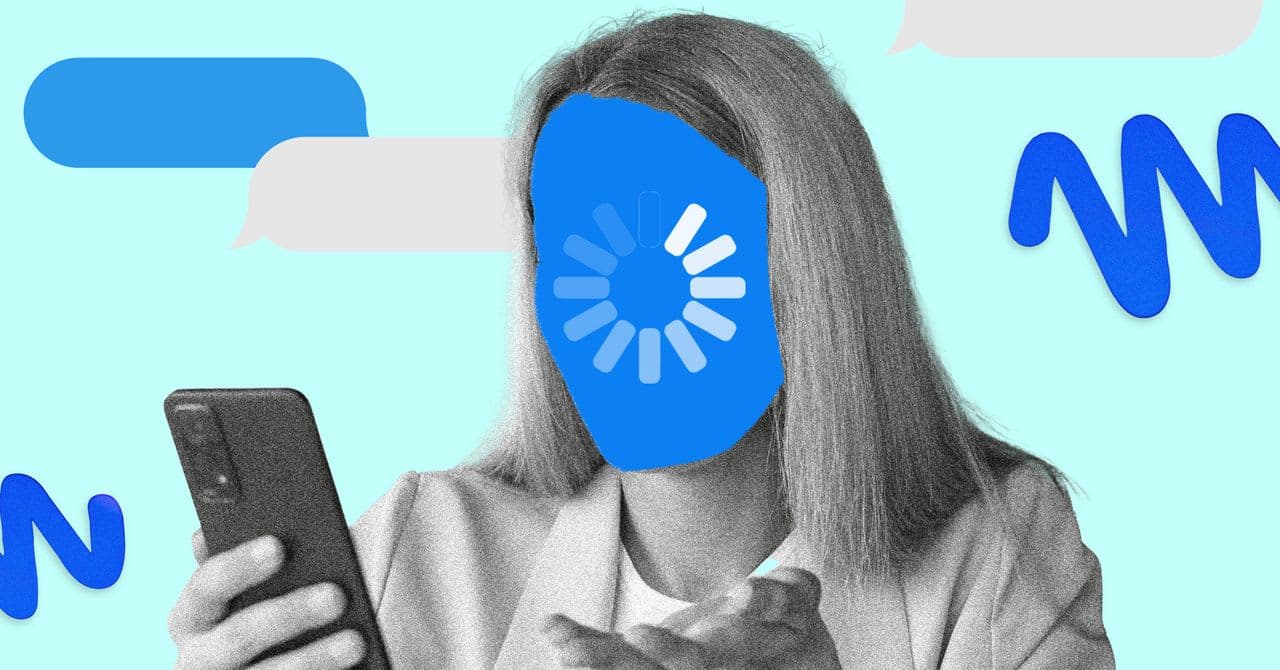
The democratization of Generative AI has moved far beyond simple text generation and image synthesis. We are entering the era of "Digital Persona Simulation," a transformative shift where business professionals are beginning to build functional, interactive clones of their colleagues, stakeholders, and even themselves. While the initial experiments often feel like a digital parlor trick—replete with personality quirks and idiosyncratic catchphrases—the underlying technology represents a significant leap forward in Human-Computer Interaction (HCI) and operational efficiency.
The prospect of interacting with a digital facsimile of a high-performing coworker creates an immediate sense of cognitive dissonance. Yet, when we strip away the novelty, we are looking at the evolution of Large Language Models (LLMs) into highly specialized AI Agents. These agents, trained on the communication styles, historical decision-making data, and technical expertise of key employees, are fundamentally changing how we approach internal knowledge management and institutional memory.
The Operational Logic Behind Persona Simulation
The technical backbone of this trend relies on Retrieval-Augmented Generation (RAG) coupled with persona-specific fine-tuning. By feeding an LLM a curated corpus of a specific employee's professional communications—emails, project briefs, Slack documentation, and internal reports—businesses can create an agent that mimics not just the tone, but the functional logic of that individual.
For a mid-sized enterprise, the business case is compelling:
- Institutional Memory Preservation: When key personnel depart or take extended leave, their digital clones can serve as interactive documentation, helping new hires understand how a specific role approaches problem-solving.
- Scalable Expertise: A senior architect or a top-tier lead developer cannot be in every meeting at once. A persona-based agent can act as a "first-responder" for common technical queries, filtering out low-level questions before escalating to the human lead.
- Enhanced Team Alignment: By simulating the "voice" of a department head or a project manager, teams can stress-test ideas against a digital proxy that understands the strategic priorities of the leadership, allowing for faster iterative cycles.
However, the "weirdness" reported in early experiments serves as a critical warning. If an agent is fed unfiltered social data, it may prioritize the "personality" of the user over their professional utility. For businesses, the goal is not to clone the social quirks of an employee, but to capture their professional context. Implementing these agents requires strict governance—ensuring that the data feeding these models is professional, updated, and legally compliant within the company’s internal privacy frameworks.
Beyond Novelty: The Integration with Digital Transformation
The shift from "AI as a tool" to "AI as a team member" marks the next phase of Digital Transformation. Companies that are currently leveraging Customer Relationship Management (CRM) platforms or complex enterprise resource planning systems are finding that their existing data siloes are actually goldmines for these agentic workflows.
When you integrate an agent trained on a specific senior sales lead’s negotiation style into your CRM, the ROI becomes measurable. The agent doesn't just provide generic advice; it provides advice based on the specific cadence and methodology that has historically led to closed deals within that specific organization. This is where automation moves from being a mere time-saver to a strategic force multiplier.
Adoption trends are currently skewed toward forward-thinking tech firms and consulting agencies that handle high volumes of intellectual capital. These organizations are building "Internal Knowledge Repositories" where employees can query an agent that acts as a subject matter expert for legacy projects. The result is a drastic reduction in the time spent hunting for information across disconnected platforms like Confluence, Notion, or internal wikis.
The Strategic Path Forward
For business leaders, the takeaway is clear: the technology to scale expertise exists, but it requires a disciplined approach to data hygiene. You cannot build an effective professional agent on a foundation of chaotic, unorganized data. The quality of the output will be a direct reflection of the quality of the organizational data you feed into the model.
As we look toward the next eighteen months, expect the market to move away from "personality-based" agents toward "functional-specialist" agents. These will not be clones that imitate a coworker’s catchphrases, but agents that replicate the specialized decision-making process required to drive business objectives. The goal is to move from a workplace where expertise is held in individual silos to one where it is fluid, accessible, and perpetually evolving through the support of intelligent digital assets.
Leaders who begin curating their company’s digital knowledge base today—ensuring that workflows are documented and communication patterns are structured—will be the first to successfully deploy these high-fidelity agents. Those who fail to organize their internal digital assets will find that their AI initiatives struggle to move beyond the experimental phase, lacking the data density required to offer true utility.
As organizations prepare to integrate these sophisticated digital workforces, the complexity of data architecture and agent deployment becomes a significant hurdle. AOODAX helps businesses bridge this gap by developing tailored AI agents that are designed to fit seamlessly into existing professional workflows, ensuring your team has the accurate, context-aware support they need to focus on high-impact initiatives.