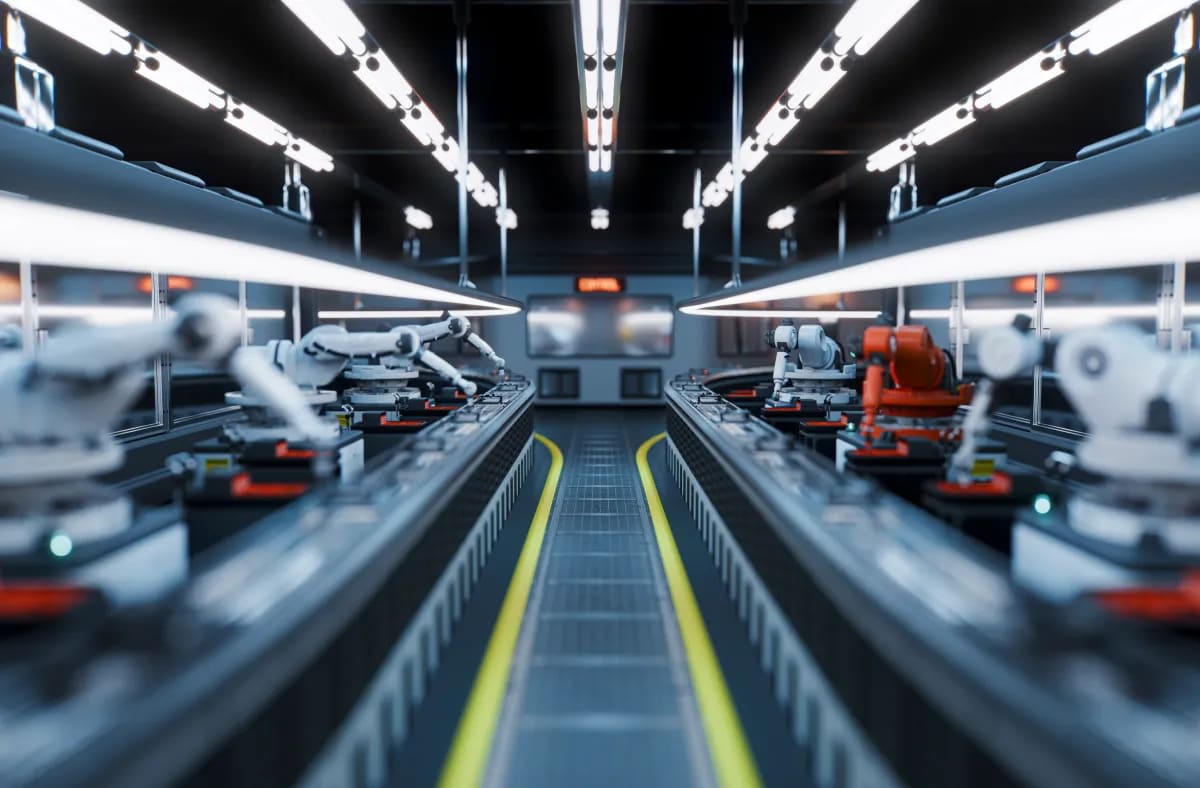
The relentless expansion of hyperscale data centers is creating an infrastructure paradox. As enterprises and cloud giants push toward an era of generative AI and massive computational density, the physical hardware sustaining these digital dreams is becoming increasingly difficult to manage. For years, the industry has relied on human technicians to navigate the labyrinthine aisles of server farms, performing the tedious, repetitive, and occasionally hazardous work of cable management, hardware swaps, and manual resets. Now, that paradigm is shifting. The next frontier of digital transformation isn't just software; it is the physical automation of the hardware layer itself.
The industry is currently witnessing a calculated migration toward autonomous data center operations. Major players are testing sophisticated robotic systems designed to augment, and in some cases replace, the human labor historically tasked with "racking and stacking." While this transition is driven by the obvious need for operational efficiency, it signals a deeper strategic evolution: the movement toward a self-healing, autonomous infrastructure.
The Operational ROI of Robotic Integration
For business leaders and IT infrastructure architects, the pivot toward robotics in the data center is less about novelty and more about the cold mathematics of Return on Investment (ROI). As data centers scale into multi-megawatt facilities, the overhead cost associated with human error—often the leading cause of downtime—becomes unsustainable.
When a technician enters a high-density compute environment, the risks are multifaceted: physical damage to sensitive equipment, accidental disconnects, and the inherent latency of human response times during an outage. By deploying robots equipped with computer vision, precision haptic feedback, and specialized end-effectors, companies can achieve:
- 24/7 Operational Uptime: Unlike human crews, robotic systems do not require shift rotations, breaks, or specialized environmental protective gear in extreme-cold or noisy aisles.
- Precision Execution: Robots can be programmed to follow exact workflows for cable routing, ensuring that airflow is never obstructed—a common issue when cables are managed manually under tight deadlines.
- Safety and Risk Mitigation: By offloading "dull, dirty, and dangerous" tasks—such as navigating high-voltage zones or handling heavy server chassis—to automated systems, companies reduce their liability and improve workplace safety standards.
- Predictive Maintenance: Integrating these robots with Artificial Intelligence (AI) agents allows for real-time monitoring. A robot that is performing a cable swap can simultaneously act as a mobile sensor platform, identifying failing components or thermal anomalies before they trigger a catastrophic system failure.
From an adoption standpoint, we are moving past the pilot phase. Companies are now looking at how to integrate these physical robots into existing CRM (Customer Relationship Management) and infrastructure management platforms. When a server fails, the workflow is no longer just a ticket created by a human; it becomes an automated trigger that dispatches a robot to the specific location, verifies the fault, and executes the swap, all while updating the asset management log in real-time.
The Workforce Evolution and Strategic Shifts
The introduction of robotics into the data center inevitably fuels concerns regarding labor displacement. However, historical parallels in manufacturing and logistics suggest that we are witnessing an evolution, not an elimination, of the technical role. The "data center technician" of 2030 will likely be a robotics supervisor or a systems engineer overseeing a fleet of automated assets.
For leadership teams, this shift represents a critical management challenge. Adoption trends suggest that the firms most successful in this transition are those that invest in re-skilling their existing human workforce. Instead of focusing on manual cable management, technicians can be elevated to roles involving the maintenance, oversight, and logic-tuning of the automated systems.
Furthermore, this move towards physical automation serves as the final piece in the puzzle of the "lights-out data center." By decoupling the physical environment from the requirement of a human presence, enterprises can reconsider data center locations, moving them closer to power sources or renewable energy hubs that were previously deemed too remote for on-site human support teams. This is a cornerstone of the next wave of infrastructure-as-a-service (IaaS) business models, where the infrastructure itself becomes an intelligent, self-sustaining organism.
Looking Ahead: The Autonomous Infrastructure
As we look toward the next three to five years, the integration of robotics will cease to be a "nice-to-have" and become a competitive necessity. The sheer volume of hardware required to train and run massive foundation models demands an efficiency that human labor alone can no longer provide. We are moving toward a future where infrastructure acts as an intelligent, responsive extension of the enterprise software stack.
For decision-makers, the takeaway is clear: automation should not be viewed in silos. The robotics managing the physical hardware should be treated as an extension of your broader enterprise AI strategy. If your software layer is increasingly autonomous, your physical infrastructure cannot afford to be the bottleneck. The successful businesses of the future will be those that integrate their digital workflows with the physical world, creating a seamless, automated loop from the data point to the server rack.
As the physical and digital domains continue to merge, the complexity of managing these interconnected systems requires more than just off-the-shelf solutions. At AOODAX, we specialize in building custom AI agents that help organizations bridge the gap between their operational workflows and the next generation of automated infrastructure, ensuring your business stays ahead of the curve.