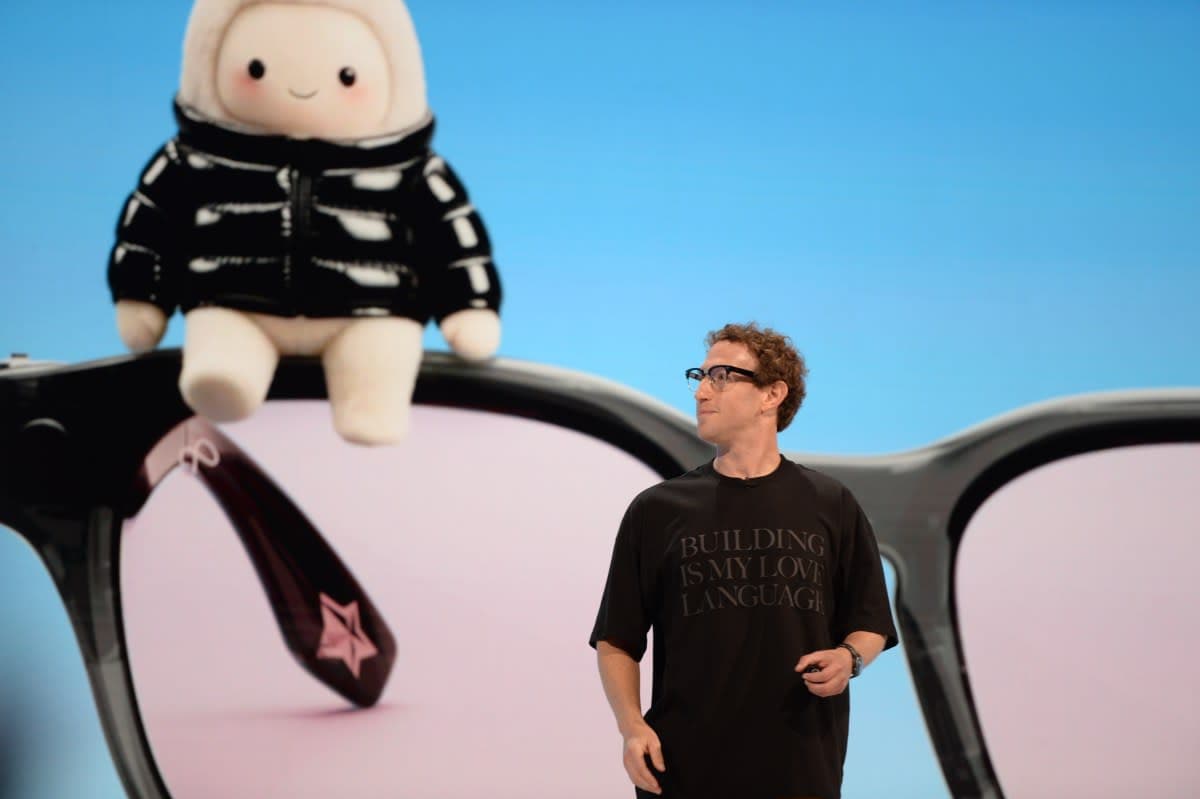
The recent industry pivot toward wearable hardware is no longer just a flirtation with augmented reality—it is a strategic land grab for the most valuable piece of real estate in the digital economy: the user’s field of vision. While the consumer tech landscape has been fixated on the evolution of smartphones for nearly two decades, the latest wave of Smart Glasses marks the beginning of a fundamental shift in how human beings interface with the digital layer of the physical world. For business leaders, this is not merely a gadget trend; it is the early infrastructure of the next iteration of the mobile workforce.
The strategy employed by major players like Meta at recent industry showcases demonstrates a clear transition from handheld screens to ambient computing. By integrating sophisticated camera systems, spatial audio, and multimodal Artificial Intelligence (AI) into frames that resemble standard eyewear, companies are attempting to decouple digital utility from the physical constraints of a phone. This is the hardware manifestation of the "eyes-up" computing philosophy, where information is provided exactly when, where, and how a user needs it, without the cognitive tax of pulling a device from a pocket.
Bridging the Gap Between Physical Operations and Data
For the enterprise, the implications of smart glasses extend far beyond mere convenience. We are witnessing the maturation of hardware that can act as a bridge between frontline employees and the central nervous system of an organization. When a technician, retail associate, or logistics coordinator wears a device that can process visual inputs and provide real-time guidance, the latency between an observation and an action drops to near zero.
Consider the ROI implications of this transition. In traditional workflows, an employee identifying a defect or looking up a client profile must switch contexts, navigate a separate interface, and input data manually. Smart glasses, integrated with a robust CRM (Customer Relationship Management) system, can surface relevant customer histories or diagnostic protocols directly into the user’s line of sight. By leveraging Computer Vision and Large Multimodal Models (LMMs), these devices turn every interaction into a data-driven opportunity.
Business adoption trends suggest that we are entering a phase of "assisted reality." Key benefits for industrial and corporate environments include:
- Real-time Remote Assistance: Expert engineers can "see" through the eyes of a field technician, providing visual annotations that appear in the technician’s glasses to facilitate complex repairs.
- Hands-free Data Logging: Using voice-to-text and AI-driven transcription, employees can log inventory, patient interactions, or maintenance status without ever breaking focus or using their hands.
- Contextual Awareness: Smart glasses can identify objects or documents in a physical space and instantly pull up associated data from a company’s internal database or cloud environment.
- Safety and Compliance: Automated alerts can be projected into the user’s field of vision if a hazard is detected, significantly reducing response times in high-risk environments.
The Role of Autonomous Agents in the Wearable Era
The true power of this hardware ecosystem is not found in the glasses themselves, but in the AI Agents that power them. As these devices become more pervasive, the bottleneck shifts from data collection to data synthesis. Business leaders must recognize that smart glasses are essentially high-bandwidth sensors for the enterprise. To gain a competitive advantage, organizations must pair this hardware with intelligent automation architectures capable of processing incoming visual data streams.
Digital transformation has historically been an exercise in digitization—moving paper processes to screens. Now, it is becoming an exercise in contextualization. When an AI agent can interpret a physical environment via a pair of glasses and trigger a workflow in an enterprise software suite, the traditional boundaries between the office and the field dissolve. Companies that invest in the connectivity between their wearable hardware and their backend AI infrastructure today will dictate the efficiency standards of their industries tomorrow.
For leaders, the actionable takeaway is clear: stop viewing wearables as peripheral hardware and start viewing them as an extension of your digital transformation strategy. The ROI will not come from the cool factor of the technology, but from the integration of that hardware into your existing automation stack. Companies that successfully bridge the gap between their front-line staff’s visual input and their enterprise AI logic will see massive gains in productivity, error reduction, and operational transparency.
As the physical and digital worlds continue to converge through these devices, the complexity of managing and processing this data will increase. At AOODAX, we specialize in developing the sophisticated AI agents and custom automation workflows that allow businesses to extract actionable intelligence from the modern digital landscape, ensuring your team can leverage these new interfaces with speed and precision.