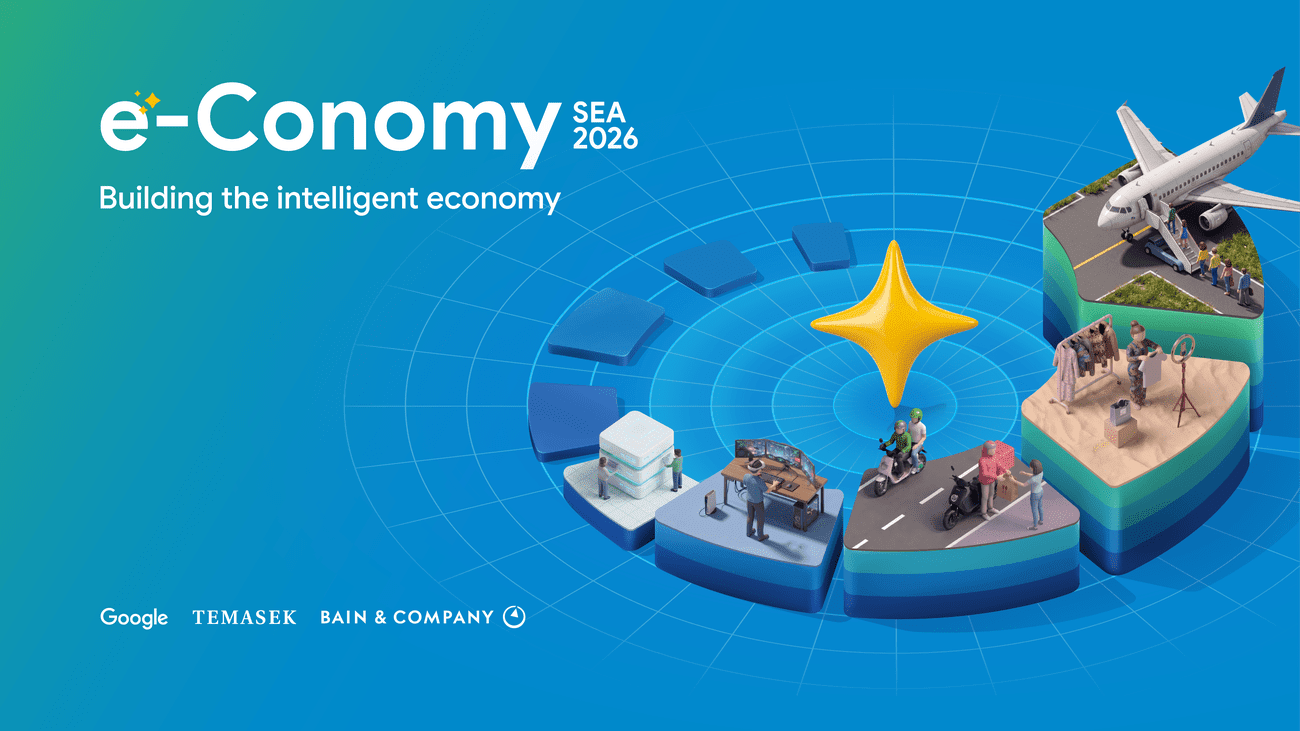
The intersection of brand marketing and Artificial Intelligence has always been a high-stakes arena, but recent creative choices in the sector have revealed a fascinating, if unintended, irony. When major tech conglomerates leverage powerful, evocative music to frame their latest AI-driven product suites, the contrast between the sonic tone—often somber or apocalyptic—and the upbeat, utopian promises of the technology itself is striking. For business leaders, this represents more than a mere creative blunder; it is a profound lesson in brand alignment, narrative consistency, and the psychological contract between innovation and the end-user.
In the fast-paced world of Digital Transformation, the storytelling behind an AI tool is often as vital as the performance of the underlying large language model. When a company unveils an AI-driven vision for the future, the message is typically one of seamless efficiency, growth, and the liberation of human capital. However, when the background audio carries the weight of existential melancholy, it creates a cognitive dissonance that can undermine the very trust businesses are trying to build.
The Cognitive Dissonance of Tech Narratives
Technological adoption is rarely driven by utility alone; it is driven by trust. When companies introduce Generative AI or sophisticated Automation workflows, they are asking their customers to trust them with their proprietary data, their operational workflows, and the future of their internal processes. Consequently, the cultural signaling inherent in marketing—the music choices, the visual aesthetic, and the framing of the human-AI relationship—must align with the messaging of stability and productivity.
The irony of using high-stakes, somber tracks in advertisements for tools that promise "better tomorrows" is not just a marketing curiosity. It highlights a recurring disconnect in how tech firms view their own products. There is a lingering tension between:
- The Optimism of Utility: The promise that AI will automate mundane tasks, accelerate time-to-market, and drive unprecedented ROI.
- The Anxiety of Replacement: The underlying cultural fear that these same technologies represent an "ending" of traditional ways of working.
For business leaders, this serves as a reminder that when you deploy AI into your enterprise, your internal communication strategy must be as robust as your technical infrastructure. If you frame your new AI strategy with a tone of radical upheaval, you risk inducing "change fatigue" among your workforce, potentially stifling the adoption of tools designed to help them.
Strategic AI Integration and the Bottom Line
The objective for most organizations in 2024 is moving beyond the "experimental" phase of AI and into the realm of Operational Efficiency. This shift requires a shift in focus from the "magic" of AI to the "utility" of AI. The market is maturing, and the novelty of a chatbot, for instance, is no longer enough to justify the budget. Instead, business leaders are prioritizing:
- Process Automation: Reducing the friction between departments by deploying autonomous agents to handle cross-platform data synchronization.
- CRM Optimization: Leveraging predictive analytics to personalize the customer journey at scale without losing the human touch.
- Scalable Infrastructure: Moving away from bespoke, isolated AI experiments toward holistic platforms that integrate directly into existing legacy systems.
The ROI implications here are clear. Organizations that focus on the practical integration of AI agents into their CRM systems see measurable improvements in lead conversion rates and customer retention. When the narrative—and the technology—is focused on empowerment rather than disruption, employees are far more likely to embrace the transition. The goal is to move from a place of existential uncertainty to a culture of augmented performance, where every member of the team understands the value added by these new tools.
The Future of Brand and Tooling Alignment
As we look toward the next horizon of digital maturity, the importance of "brand resonance" will only grow. It is not enough to have the most powerful model; leaders must communicate the value of that model in a way that resonates with stakeholders at every level of the company.
The businesses that succeed in this era of rapid innovation will be the ones that treat AI not as a disruptive force to be feared, but as a strategic asset to be nurtured. This means ensuring that every touchpoint—from the marketing of the tool to the employee training program—is coherent.
The lesson is clear: if you are asking your organization to change how it functions, ensure the narrative supports that change. Avoid the trap of "existential marketing" that highlights the fragility of the status quo; instead, focus on the durability and potential of the new future you are building. The technological tools themselves are neutral; the meaning we assign to them through our leadership and our messaging is what ultimately defines their success or failure in the marketplace.
Adopting AI is an investment in stability as much as it is an investment in growth. By prioritizing well-integrated, purposeful technology, businesses can ensure they are not just reacting to the future, but actively shaping it to their benefit.
Navigating this transition effectively requires a partner who understands the nuance of both technical implementation and business strategy. At AOODAX, we specialize in helping organizations design and deploy custom AI agents that integrate seamlessly into existing ecosystems, ensuring your business remains ahead of the curve while maintaining operational alignment.