The landscape of digital customer engagement is undergoing a tectonic shift. For decades, the gold standard of marketing was "personalization at scale"—a term that, in practice, usually meant segmenting a million users into ten buckets and sending slightly modified emails to each group. Today, that paradigm is being rendered obsolete. The industry is moving away from broad-brush segmentation and toward a granular, individual-centric architecture powered by AI Agents.
Recent market maneuvers, including significant capital investments in agentic AI by platforms like MoEngage, signal that the next frontier of customer relationship management (CRM) isn't about better data analysis; it’s about autonomous execution. We are entering an era where companies will no longer "manage" customers through campaigns but will instead facilitate relationships through a fleet of digital agents tasked with understanding and acting on the specific needs of every individual user in real-time.
The Shift from Batch Processing to Agentic Autonomy
Traditional marketing automation software relies on static "if-this-then-that" logic. A user abandons a cart; the system sends a reminder. A user visits a page; the system triggers a discount. While effective, this approach is inherently reactive and rigid. It requires human marketers to hypothesize customer journeys and build complex workflows to cover those guesses.
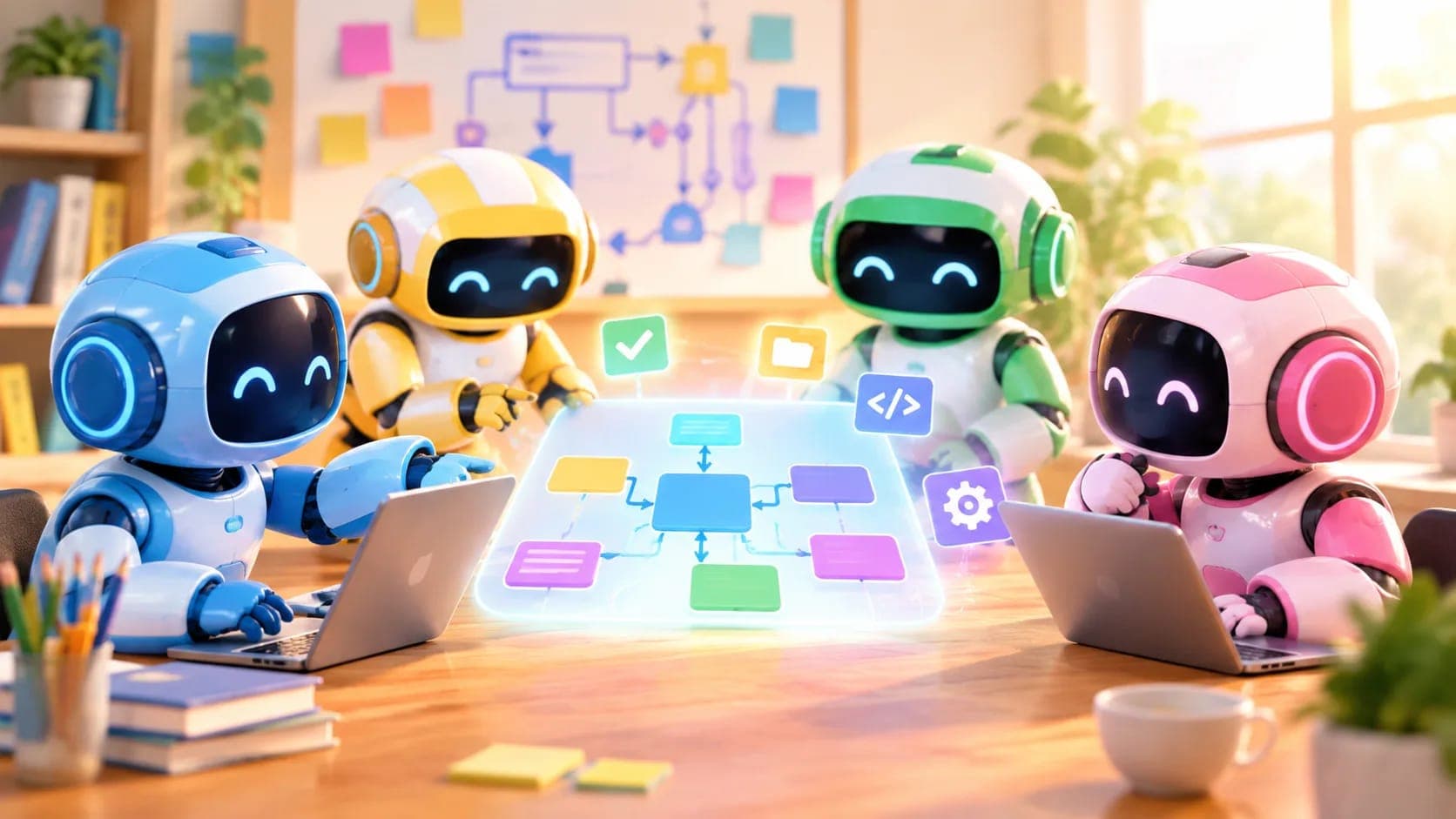
The rise of AI agents changes the fundamental unit of work. Instead of a workflow, you have an entity. By assigning a persistent, autonomous agent to each customer, businesses can transition to a state of continuous interaction. These agents do not merely trigger pre-written responses; they ingest the totality of a customer’s interaction history, behavioral intent, and current context to make decisions that best serve both the user and the business.
This shift has profound implications for the operational efficiency of marketing teams:
- Contextual Continuity: Agents maintain a "memory" of past interactions that transcends individual channels, ensuring a conversation started on a mobile app is seamlessly continued via email or SMS.
- Predictive Problem Solving: Rather than waiting for a customer to voice a complaint or hit a roadblock, agents can proactively resolve friction points by anticipating needs based on behavioral patterns.
- Hyper-Personalized Content Generation: Agents can synthesize brand-approved messaging with specific user preferences, creating content that feels bespoke rather than templated.
For business leaders, this represents a move toward "zero-touch" engagement. By delegating routine interactions to specialized agents, human staff can pivot toward high-level strategy and creative development, focusing on the "why" of brand positioning rather than the "how" of execution.
The ROI of Individualized Engagement
The investment case for agentic AI is becoming increasingly clear. As customer acquisition costs (CAC) continue to climb across digital channels, the ability to maximize lifetime value (LTV) through superior retention is the primary lever for sustainable growth.
When an organization deploys millions of AI agents, it is essentially creating a scalable, digital concierge service. In legacy systems, providing a "white-glove" experience was only feasible for high-net-worth clients or VIP segments. Agents democratize this level of service. By treating every customer as a unique entity, companies see significant improvements in key performance indicators, including:
- Improved Conversion Rates: Because agents provide recommendations that are genuinely relevant rather than generic, the likelihood of a high-intent purchase increases.
- Reduced Churn: Agents can identify subtle shifts in customer sentiment or engagement levels before a user decides to churn, allowing for timely, automated interventions.
- Operational Scaling: The marginal cost of managing one more customer decreases as the agent infrastructure matures, allowing companies to scale their user base without a proportional increase in headcount.
However, the transition to an agent-led CRM requires a robust data strategy. For these autonomous systems to function, they must have access to clean, real-time data streams. Siloed legacy systems will inevitably fail to support agentic workflows. Successful implementation often involves a modernization phase where customer data platforms (CDPs) are integrated with agent frameworks to ensure that the logic driving the agents is as accurate as it is autonomous.
Preparing for the Agentic Future
We are currently at the "infrastructure" stage of this movement. As platforms begin to embed these capabilities into their core offerings, we will see a rapid acceleration in adoption. The competitive advantage will go to firms that can balance the high-speed autonomy of these agents with human-in-the-loop oversight to ensure brand safety and alignment.
Business leaders should evaluate their current tech stack with a critical eye: Does your current system treat users as data points in a spreadsheet, or as individuals in a dynamic relationship? The transition to agentic AI is not merely a technical upgrade; it is a fundamental shift in how a company views the customer journey. Moving forward, the goal should be to create an ecosystem where technology serves as a bridge, not a barrier, between the brand and the buyer.
The adoption of autonomous agents is not just a trend for the "tech-forward"—it is the inevitable outcome of a decade of digital transformation. Companies that act now to integrate these intelligent systems will set the benchmark for customer loyalty in the coming decade.
At AOODAX, we understand that implementing agentic AI is as much about architecture as it is about intelligence. We help organizations integrate advanced AI agents into their existing tech ecosystems, ensuring that your automated interactions are precise, compliant, and deeply aligned with your core business objectives.