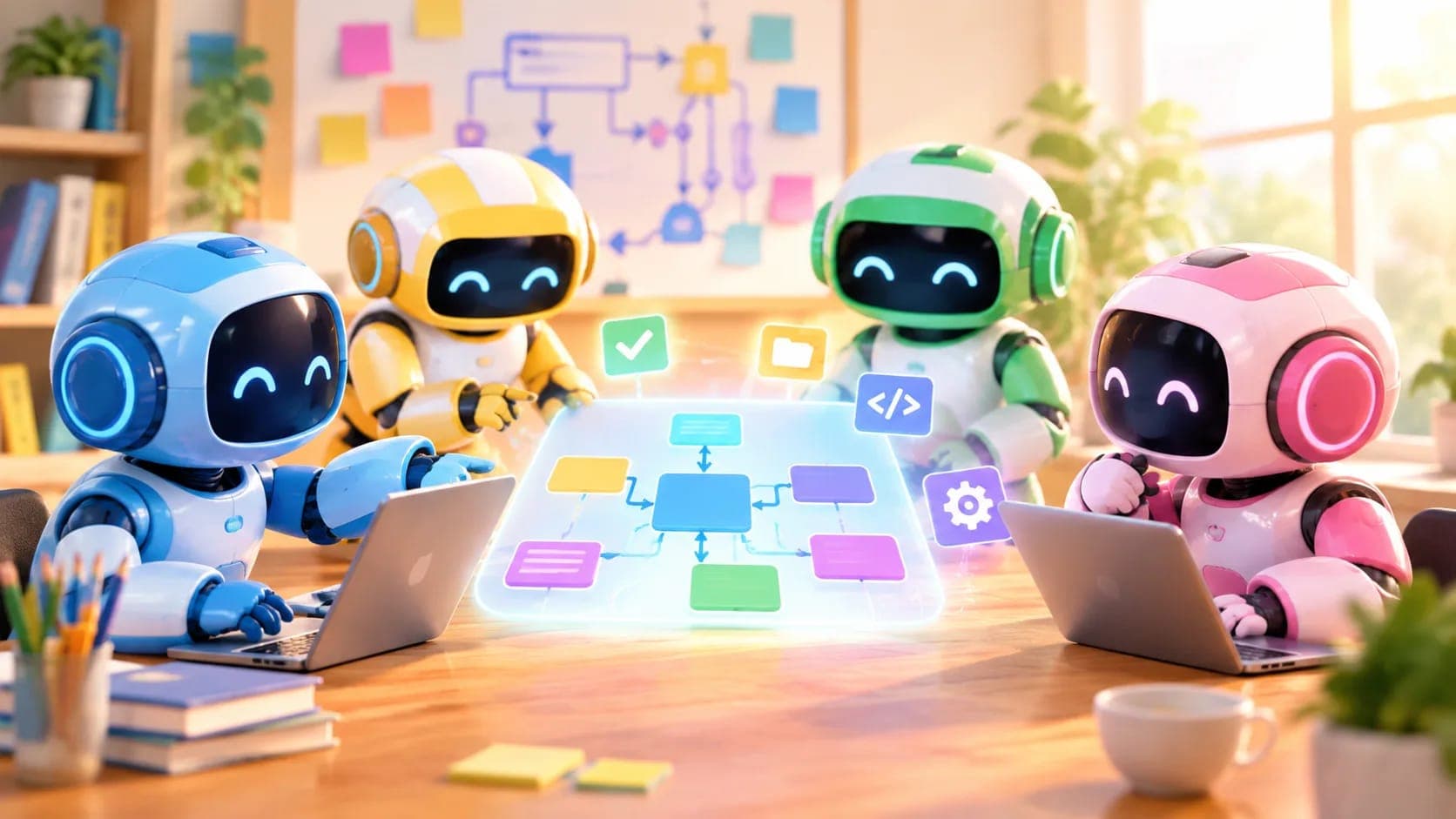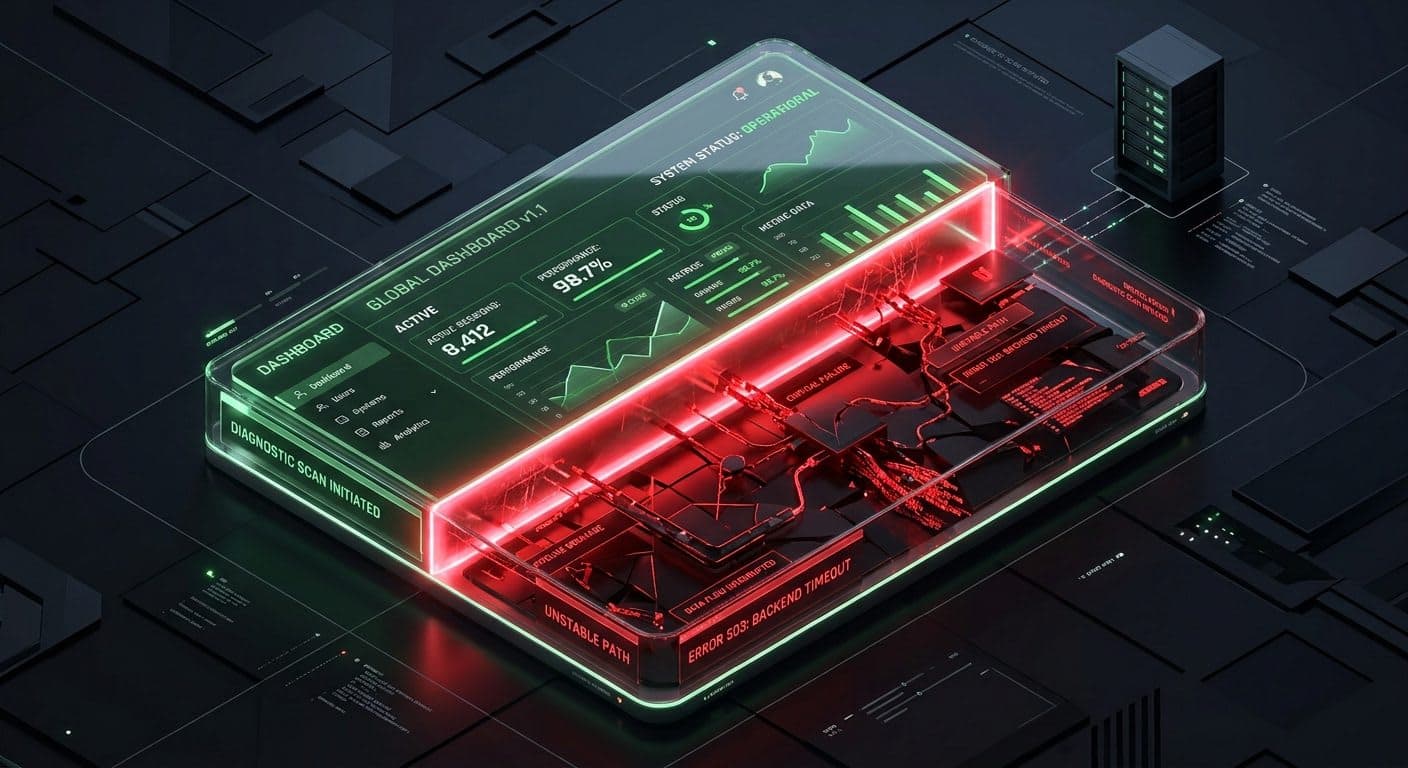
The excitement surrounding Generative AI has been palpable for nearly two years. We have seen massive leaps in Large Language Model (LLM) capabilities, from sophisticated reasoning to multimodal content creation. Yet, as the initial novelty wears off, a sobering reality is setting in across boardrooms and product teams alike: the chasm between raw technical capability and everyday utility remains dangerously wide.
The industry has spent the better part of eighteen months obsessed with "model-first" development. Engineers and venture capitalists have been fixated on token counts, latency, and parameter scaling. Meanwhile, the actual end-users—the professionals in sales, operations, and customer service—are still struggling to find AI that fits seamlessly into their existing workflows. The era of the AI Agent is theoretically upon us, but if these agents are not designed for human intuition rather than algorithmic output, they are destined to become expensive shelf-ware.
The Friction Problem: Engineering vs. Experience
The fundamental disconnect in the current market is the confusion between a "smart tool" and a "useful service." Most AI agents today are built as wrappers around LLMs that excel at tasks the model enjoys performing—like drafting an email or summarizing a document—rather than the tasks the user actually needs completed.
When a business professional opens a CRM (Customer Relationship Management) system, they aren’t looking for a chatbot to explain what a lead is. They are looking for an agent that understands the nuance of a specific sales pipeline, knows the history of a client’s recent complaints, and can autonomously update records or schedule follow-ups without requiring a manual "prompt" for every granular movement.
The friction arises because we have asked users to change how they work to accommodate the constraints of the AI. For true Digital Transformation, the inverse must occur: the agent must accommodate the user’s cognitive flow. For this to happen, developers need to pivot their focus toward:
- Contextual Awareness: Moving beyond static prompt-response cycles to agents that maintain long-term memory of company-specific data and historical project outcomes.
- Workflow Integration: Ensuring that agents function within the software stacks employees already live in—like Slack, Microsoft Teams, or Salesforce—rather than requiring users to toggle to a separate "AI assistant" tab.
- Autonomy with Guardrails: Shifting from "AI-as-an-oracle" to "AI-as-a-colleague" that can perform multi-step actions (like cross-referencing inventory levels with order status) while deferring to human intervention only when necessary.
The ROI Chasm in Automation
From a leadership perspective, the struggle to adopt AI agents has severe ROI implications. Businesses are investing heavily in subscriptions and API costs, yet the anticipated productivity gains are often diluted by the "coordination tax." If a manager spends more time "prompt-engineering" their agent to get the right output than it would have taken to perform the task manually, the automation has failed.
True efficiency in automation is measured by the reduction of cognitive load, not just the speed of text generation. When an agent is effectively deployed, it removes the "blank page" syndrome and the repetitive administrative burden that slows down decision-making. Companies that succeed in this environment are those that stop chasing the "flashiest" model and start focusing on the "invisible" agent—one that silently orchestrates backend processes without interrupting the user’s focus.
Adoption trends are currently favoring companies that prioritize Custom Software solutions over off-the-shelf, generalized models. There is a burgeoning realization that an agent is only as good as the proprietary data it can access and the specific, high-value business processes it is designed to automate. If an agent is built to handle the generic requirements of a thousand companies, it will likely perform none of them well enough to justify the overhead.
Looking Ahead: The Human-Centric Mandate
The next phase of the AI evolution will be defined by the "utility-first" movement. As we look toward the horizon, the companies that win will be those that prioritize product-market fit over model benchmarks. Business leaders should not ask, "Which model is the most powerful?" but rather, "Where are the biggest bottlenecks in our current workflow, and can an agent resolve them without adding complexity?"
The goal should be to turn AI into a background utility—like electricity—that powers the business without requiring the staff to be electrical engineers. Future-proofing an organization requires building systems that are modular, integrated, and designed to augment human intuition rather than replace it. The winners of this cycle will not be the companies with the smartest chatbots, but the ones with the most effective, silent, and reliable agents integrated into the fabric of their daily operations.
Successfully integrating these agents into complex environments requires a strategy that bridges the gap between raw AI potential and your specific business requirements. At AOODAX, we specialize in building custom AI agents that are designed to fit your unique operational needs, ensuring that your transition to an automated workflow is both seamless and scalable.