For the better part of the last two years, the digital landscape has been caught in a frantic gold rush. Following the explosive adoption of Large Language Models (LLMs), businesses and publishers rushed to leverage generative AI to maximize content output. The logic was simple: scale equals reach, and reach equals revenue. However, we have reached an inflection point. The market is currently experiencing a profound correction, often referred to as the “slop backlash,” where consumers and search engines alike are aggressively pushing back against low-quality, automated content.
For business leaders, this represents more than just a passing trend in internet aesthetics; it is a fundamental shift in how digital presence and value are measured. As the novelty of automated content wears off, the true ROI of AI integration is being re-evaluated through the lens of audience trust and brand integrity.
The Quality Ceiling: Why Automated Proliferation Has Failed
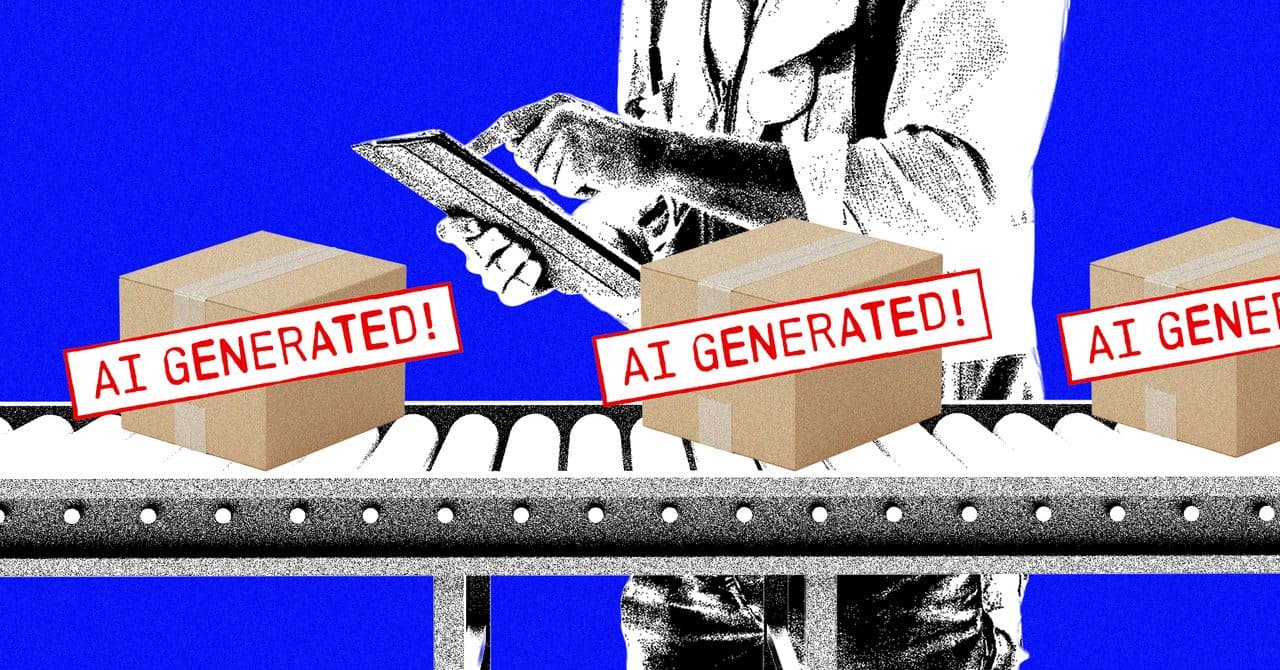
The initial wave of AI adoption was characterized by volume-first strategies. Companies integrated generative tools into their marketing stacks to flood social media, blogs, and customer outreach channels with automated text. On paper, the efficiency gains were undeniable. In practice, the deluge of generic, hallucination-prone, and derivative content—commonly labeled as "slop"—has created a significant noise problem.
Consumers have become increasingly adept at identifying the hallmark "flatness" of AI-generated prose. This has triggered a counter-reaction from major platforms. We are seeing a new era of digital sanitation:
- Search Engine De-prioritization: Google’s recent algorithm updates have explicitly targeted low-value, mass-produced content, punishing sites that prioritize SEO gaming over genuine utility.
- Platform-Level Friction: Social networks like Instagram, X, and LinkedIn have begun rolling out automated detection markers and labeling requirements, effectively creating a "stigma" around unedited machine output.
- Evolving User Sentiment: Audience engagement data shows a measurable drop-off for content that lacks a distinctive "human" point of view, proving that authentic brand voice is a competitive moat that AI alone cannot replicate.
For enterprises undergoing digital transformation, this is a crucial lesson. The goal of AI is not to replace the human element but to amplify the strategic intent behind it. When businesses use AI to skip the creative process entirely, they aren't achieving automation; they are effectively depreciating their own intellectual property.
Beyond the Noise: A New Strategic Mandate
The backlash against synthetic slop forces a pivot from quantity to quality. This does not mean abandoning AI—far from it. Rather, it means moving away from "Generative AI as a writer" toward "Generative AI as an architect."
The most successful companies in this new environment are shifting their focus toward human-in-the-loop (HITL) workflows. In this model, AI serves as the infrastructure for efficiency, while humans act as the curators of quality. This approach yields several benefits for organizations looking to integrate AI into their operational core:
- Brand Integrity: By using AI to structure, summarize, and organize data, companies can ensure that the final output still adheres to their specific tone of voice and factual standards.
- Data-Driven Customization: Instead of churning out generic blog posts, businesses are using AI to perform deep analysis of their CRM data, creating hyper-personalized communications that feel bespoke rather than automated.
- Operational Precision: The shift away from generic content allows teams to focus their human capital on complex, high-value problem solving, while automated systems manage the repetitive tasks that once drained employee bandwidth.
The ROI of AI in 2024 and beyond is not found in the raw count of published assets. It is found in the conversion rates, customer retention metrics, and the reduction of manual labor in non-creative tasks. The organizations that thrive will be those that view AI not as a shortcut to bypass human effort, but as a sophisticated tool for automation that requires rigorous oversight and strategic direction.
The Future of AI: Curation and Intent
As we look toward the future of enterprise tech, the definition of a "modern" company will no longer be determined by how much AI they use, but by how well they curate it. We are moving toward a period where "Certified Human" will become a badge of quality, and algorithmic content will be relegated to low-level utility tasks where it belongs.
For leadership teams, the actionable takeaway is clear: audit your AI implementation. If your current strategy relies on mass-producing generic assets, you are accumulating "technical debt" in the form of degraded brand equity. Instead, invest in systems that empower your team to use AI for high-impact roles, such as extracting actionable insights from massive datasets or streamlining back-office workflows.
The successful digital enterprise of the future will be defined by its ability to balance machine-speed efficiency with a human-centric approach to value creation. By prioritizing systems that treat AI as a foundation for human ingenuity rather than a replacement for it, companies can ensure they remain relevant in an increasingly crowded and skeptical digital marketplace.
At AOODAX, we help businesses navigate this transition by integrating sophisticated AI agents that handle complex automation tasks without sacrificing the quality or oversight essential to your brand’s reputation.