For the past two years, the enterprise narrative surrounding artificial intelligence has centered on the "prompt-response" paradigm. Businesses have invested heavily in generative AI tools designed to act as high-octane research assistants, drafting emails, summarizing meetings, and writing code snippets upon request. But the static nature of these interactions—where the human initiates the task and the AI completes it—is rapidly becoming an artifact of the early adopter phase.
We are currently witnessing a paradigm shift toward Agentic Loops, a structural evolution where AI systems move from being reactive tools to persistent, background processes. In this model, agents are no longer tethered to a single input-output cycle. Instead, they are empowered to observe, reason, act, and verify results in an iterative, continuous cadence. For business leaders, this represents the transition from "AI as a tool" to "AI as a workforce component."
The Mechanics of Persistent Autonomy
The leap from standard automation to an agentic loop is defined by the closing of the feedback circuit. In traditional Robotic Process Automation (RPA), a bot executes a rigid script; if the environment changes or the task is interrupted, the process breaks. Agentic loops, powered by Large Language Models (LLMs), introduce a layer of adaptive intelligence that allows the agent to self-correct and re-try tasks without human intervention.
When we deploy a swarm of agents in a "loop" configuration, the workflow generally follows this architecture:
- Continuous Observation: The agent maintains persistent connectivity with internal data sources, such as a CRM or project management dashboard, monitoring for specific triggers rather than waiting for a prompt.
- Contextual Reasoning: When a change is detected, the agent evaluates the situation against defined business objectives, deciding whether the anomaly requires immediate action, a status update, or further investigation.
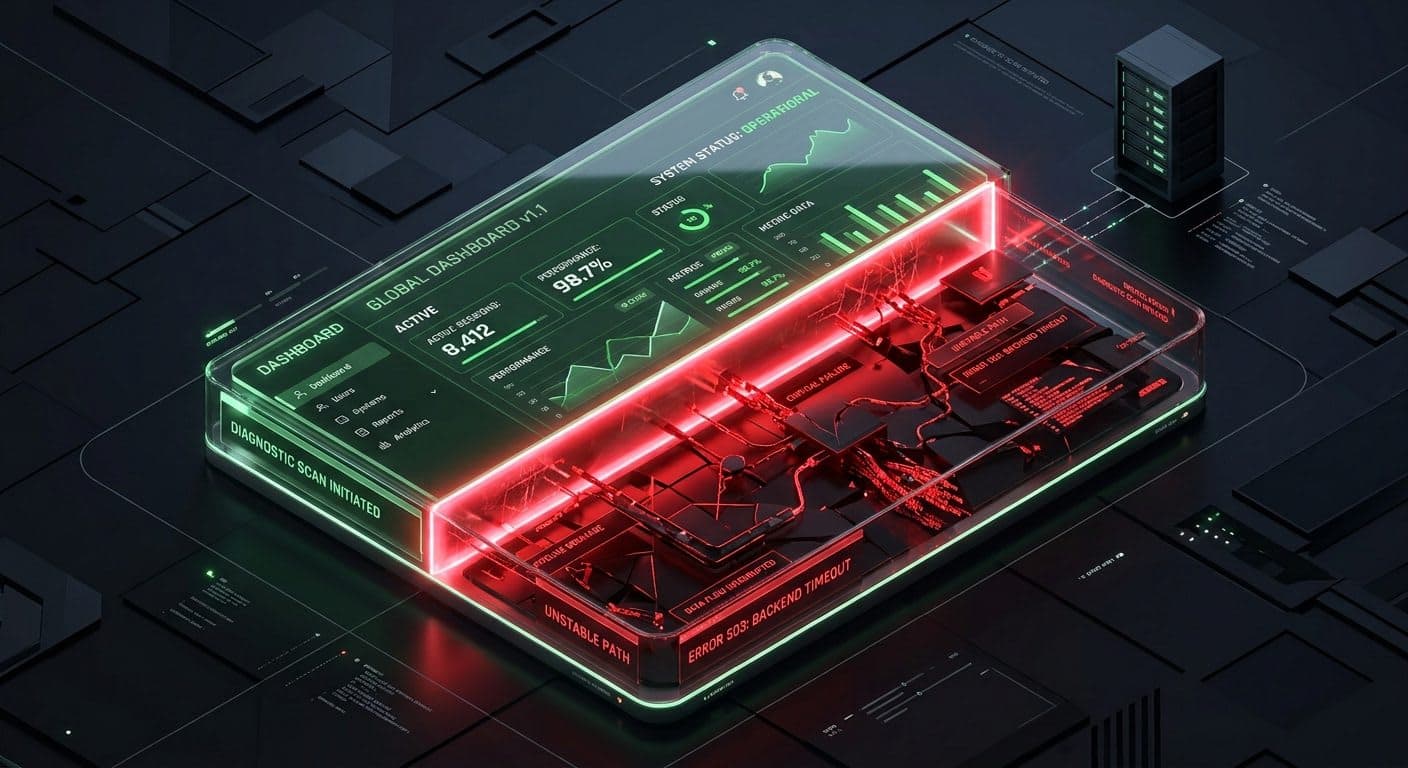
- Iterative Execution: If the agent encounters a roadblock—such as a missing field in a document or a server error—it leverages its reasoning capabilities to navigate around the issue or document the failure for human review, rather than simply stalling.
- Verification and Refinement: Post-execution, the system compares the outcome against desired KPIs. If the results are suboptimal, the agent initiates a new cycle of iteration to optimize the output.
This autonomy is not about replacing human decision-making but about offloading the "cognitive drag" of digital operations. For instance, a lead-scoring agent in a CRM doesn’t just tag a lead; it might continuously cross-reference the prospect’s activity with real-time market data, adjusting the priority score as the prospect interacts with marketing assets, eventually triggering a personalized outreach sequence once a threshold is met.
Strategic Implications for the Enterprise
For the C-suite, the move toward looping AI represents a fundamental change in the Return on Investment (ROI) calculus. Traditionally, AI investments were measured by time-saved-per-task. In an agentic loop environment, value is derived from the continuity of operations. Processes that once ran in scheduled batches—such as financial reconciliation, supply chain inventory leveling, or customer churn mitigation—can now operate in real-time.
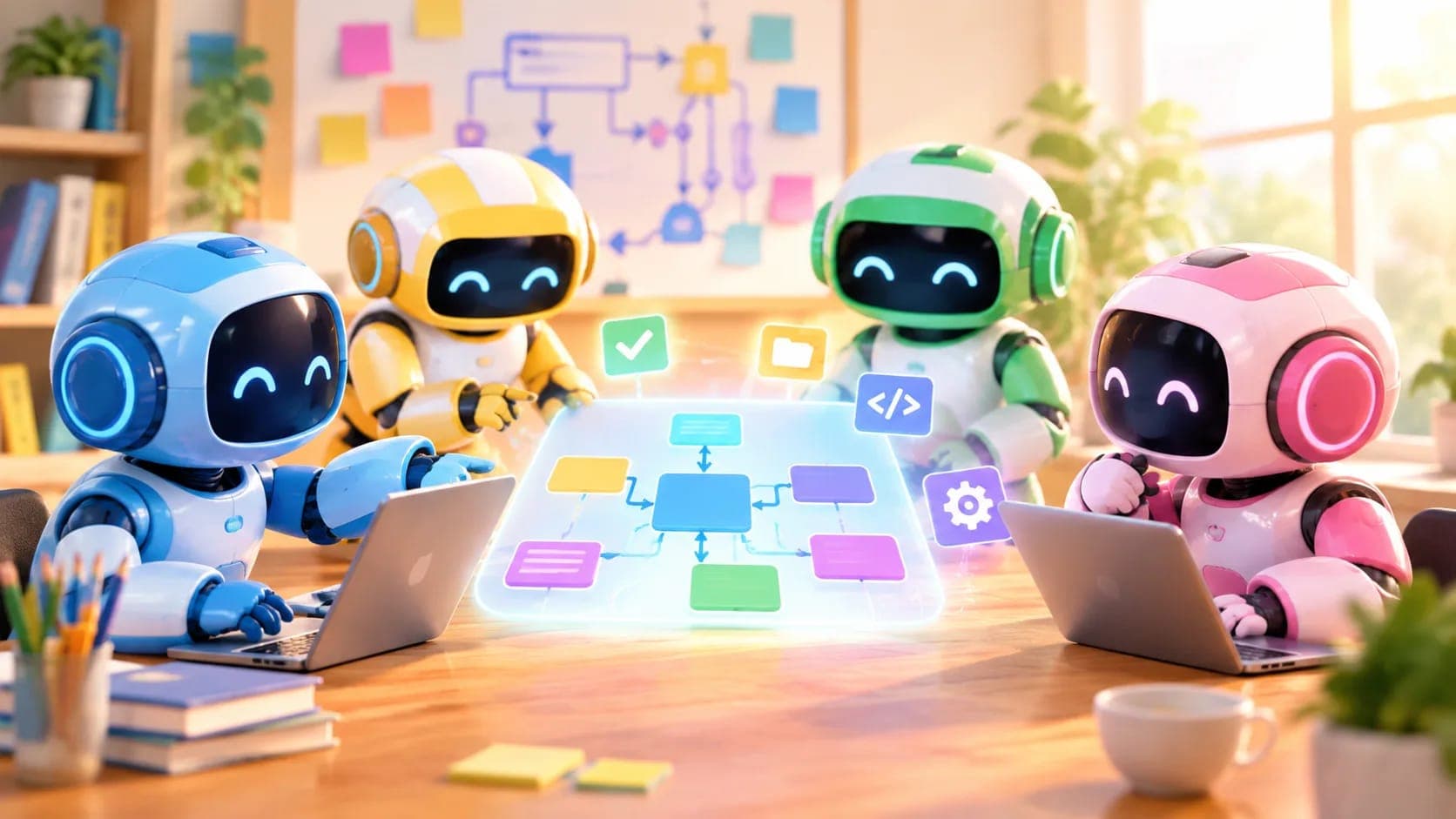
Adoption trends indicate that firms are moving away from monolithic AI deployments in favor of "swarm architectures." By distributing tasks across specialized agents—one for data retrieval, one for sentiment analysis, and one for CRM updates—businesses are creating a resilient fabric of automation. This reduces the risk of "single point of failure" common in centralized AI models.
However, this increased autonomy requires a more rigorous approach to AI Governance. When agents act iteratively in the background, the margin for error must be managed through "human-in-the-loop" checkpoints. Business leaders must establish clear parameters for agent behavior, ensuring that the continuous loops align with regulatory compliance and internal security protocols. The goal is to maximize the "autonomy-to-oversight" ratio, allowing the AI to handle the heavy lifting while reserving human talent for high-level strategy and exception handling.
The Future of Digital Transformation
The shift toward loops signifies that the "digital transformation" era—which was largely about moving paper processes to screens—is being superseded by the era of "autonomous operations." We are moving toward a future where businesses are managed as living ecosystems rather than static systems. The companies that thrive in the next decade will be those that view their software architecture not as a collection of features, but as a dynamic, self-optimizing environment.
For the modern enterprise, the competitive advantage will lie in the speed and accuracy of these internal loops. As agents begin to "talk" to one another, executing complex, cross-departmental workflows without human mediation, the latency between an identified market opportunity and an operational response will shrink to near zero.
To prepare for this evolution, organizations should begin auditing their current manual hand-offs. Identify the repetitive tasks that require multiple steps of cross-referencing and validation—these are the prime candidates for agentic loop integration. The transition is not instantaneous; it requires an incremental strategy that builds trust in the agent’s reasoning before granting it end-to-end control.
At AOODAX, we specialize in helping businesses navigate this transition by architecting sophisticated AI agents that transform fragmented workflows into continuous, intelligent loops. By bridging the gap between legacy systems and modern autonomy, we empower organizations to scale their operations with precision and reliability.