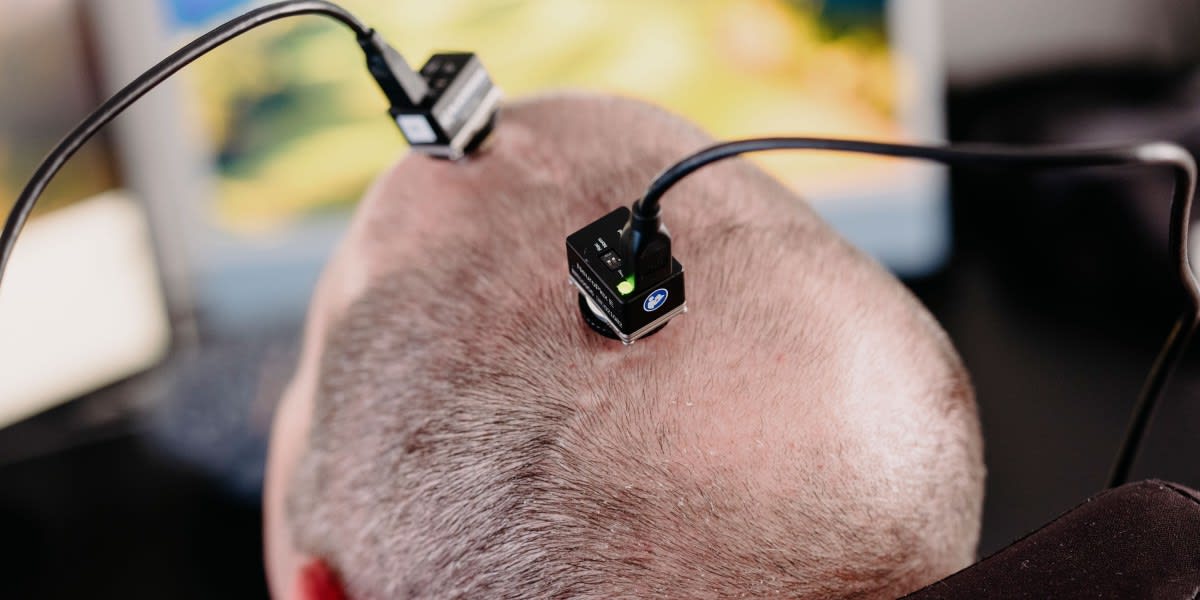
The frontier of Brain-Computer Interfaces (BCI) has moved decisively from the realm of clinical experimentation into the era of the "power user." Recent milestones in neuro-prosthetics—specifically for individuals suffering from conditions like ALS—signal a paradigm shift in how we conceive of human-machine interaction. While the immediate application is restorative, the underlying technology points to a future where high-bandwidth, brain-to-digital communication transforms our professional and personal workflows.
The Evolution of High-Bandwidth Interaction
Historically, BCI development focused on simple binary commands or limited cursor control. Today, we are seeing the emergence of sophisticated systems capable of decoding neural patterns into natural language in near real-time. By embedding high-density electrodes into speech-processing areas of the brain, researchers are enabling users to communicate with unprecedented fluidity.
For the tech industry, this is not merely a story about accessibility; it is a preview of the next generation of input methods. As we move away from traditional keyboards, mice, and touchscreens, the capacity to interface directly with digital ecosystems will redefine productivity. Key trends currently shaping this sector include:
- Neural Decoding: Utilizing machine learning models to interpret complex patterns of brain activity, turning abstract thought into text or software commands.
- Edge Processing: Reducing latency by moving data processing closer to the source, ensuring that neural-to-digital translation occurs instantaneously.
- Platform Integration: Bridging the gap between neural implants and existing software environments, such as project management tools or communication suites.
Business Context and the Future of Human-Computer Interaction
From a business perspective, the ROI of this technology extends far beyond healthcare. As these interfaces mature, the potential for Digital Transformation is immense. Imagine an executive or a creative professional leveraging a BCI to interact with a CRM or a complex data visualization tool using only intention. This level of automation—removing the physical "friction" between an idea and its execution—is the holy grail of efficiency.
Companies investing in advanced user interfaces are already tracking how natural language processing and gesture-based computing reduce onboarding time and increase output quality. As BCIs continue to stabilize, we can expect "neural-ready" software architectures to become a competitive advantage. The focus will shift from learning how to operate a piece of software to thinking in alignment with the software's capabilities.
Business leaders should start evaluating how their current stack could evolve to accommodate these non-traditional inputs. The shift toward AI-orchestrated environments means that the barrier between user intent and system execution will continue to shrink. Those who anticipate this integration today will be better positioned to adopt the brain-integrated workflows of tomorrow.
The trajectory of this technology underscores a larger truth: the most successful organizations are those that minimize the distance between data and insight. Whether you are looking to deploy AI agents to streamline your internal communications or integrate complex neural-ready workflows into your legacy systems, the goal remains the same: a more intuitive, automated, and productive digital experience. At AOODAX, we specialize in custom software solutions that bridge the gap between cutting-edge technology and real-world business outcomes.