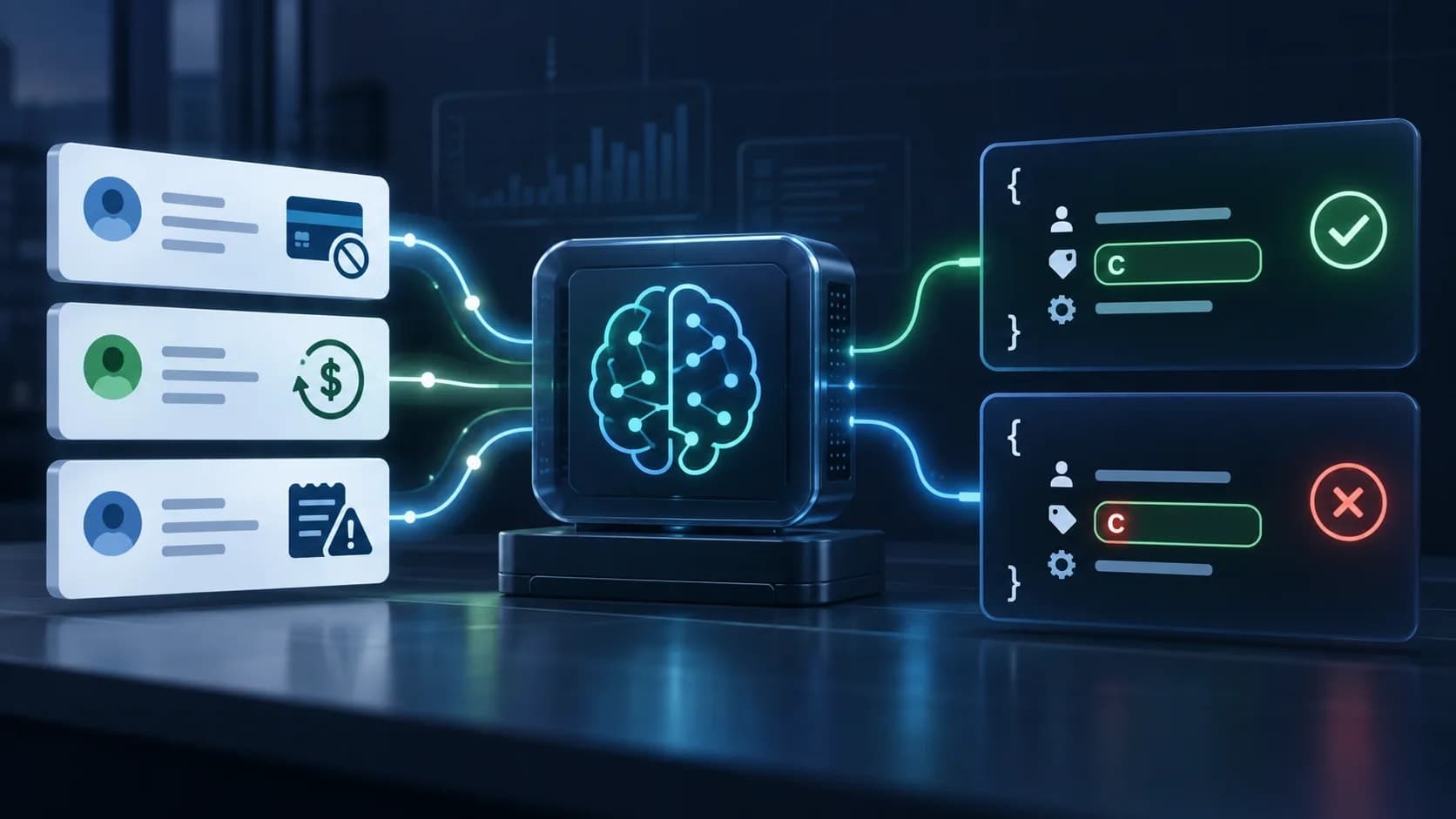
The shift toward "transparent reasoning" in artificial intelligence is no longer a niche feature for researchers; it has become the standard user experience for the enterprise. In 2025, we witnessed a profound synchronization across the industry. Whether you are querying Claude, ChatGPT, or Gemini, the interface now prioritizes the "thought process" as much as the final output. This isn't merely a UI trend—it is a fundamental psychological pivot designed to repair the fragile trust between human users and autonomous systems.
For years, the "black box" problem plagued AI adoption. Leaders were hesitant to integrate advanced models into high-stakes workflows because the logic behind a decision remained opaque. When a machine provides a recommendation, the lack of a breadcrumb trail leads to institutional skepticism. By visualizing the latent reasoning—the internal steps, logical branching, and verification processes—the industry has moved from "trust us" to "verify with us."
The Psychological Value of Algorithmic Transparency
The psychological weight of a decision increases significantly when that decision is rendered by a computer rather than a peer. When a human colleague provides a report, we instinctively look for their logical markers: Did they consider X? Why did they exclude Y? We evaluate their competence based on their process.
For decades, AI denied us this courtesy. It gave us a binary answer without the necessary context, leaving us to guess at its validity. Today’s shift toward Chain-of-Thought (CoT) reasoning transforms the AI from a cryptic oracle into a collaborative partner. When an AI Agent displays its scratchpad or reasoning steps, the psychological effect is twofold:
- Reduction of Cognitive Load: Users no longer have to manually verify every single premise if they can scan the model's self-correcting logic.
- Calibration of Confidence: By seeing where the model hesitated or where it cross-referenced external data, the user can gauge the reliability of the output, preventing the "blind trust" bias that leads to critical errors in corporate settings.
For business leaders, this is a major win for Digital Transformation. Transparency acts as a bridge, allowing non-technical stakeholders to audit the AI’s path toward a recommendation. If a CRM-integrated model suggests a specific client retention strategy, seeing the reasoning allows a manager to spot a logic error before it translates into a costly marketing blunder.
Implications for ROI and Workflow Automation
The integration of reasoning logs into the user interface has immediate ROI implications for enterprise Automation. In the past, companies spent vast resources on "human-in-the-loop" protocols, where human reviewers had to manually double-check everything the AI produced. This created a bottleneck that effectively canceled out the speed gains of automation.
With transparent reasoning, the review process is exponentially faster. Reviewers don't have to start from scratch; they are essentially proofreading the machine's work. If the reasoning displayed is sound, the approval happens in seconds. If the reasoning reveals a flaw, the user can steer the agent back on track without starting the entire workflow over.
This trend is rapidly changing the deployment of Customer Relationship Management (CRM) systems. We are seeing a move away from simple chatbot interfaces toward reasoning-heavy agents capable of navigating complex customer journeys. These agents can now justify why they escalated a ticket or why they offered a specific discount, providing a level of accountability that was previously impossible to scale.
Consider the following shift in operational benchmarks:
- Auditability: Compliance departments can now review logs of "thought processes" to ensure AI decisions align with corporate policy.
- Edge Case Resolution: Agents can handle non-standard inquiries more effectively because they are forced to "reason" through the anomaly rather than guessing at a template response.
- Staff Augmentation: Junior employees can leverage these transparent systems to learn best practices, effectively using the AI as an on-demand coach that explains its tactical choices.
The Future of Human-AI Symbiosis
As we look toward the next phase of enterprise AI, the emphasis will shift from "the machine answering the question" to "the machine explaining the problem-solving journey." This creates a symbiotic environment where the human provides the intent and the ethical guardrails, while the AI provides the computational pathing.
Companies that successfully lean into this transparency will gain a significant competitive advantage. They will be able to deploy autonomous systems deeper into their core business logic, from supply chain management to sensitive financial analysis, because they have the data to prove how those systems arrive at their conclusions.
The takeaway for leadership is clear: stop treating AI as a black box and start treating it as a transparent, iterative workflow. The most successful organizations in the coming years will be those that integrate these reasoning-capable agents into their existing infrastructure, ensuring that every automated insight is as auditable as a financial report.
At AOODAX, we help businesses navigate these complex deployments by integrating intelligent AI agents that don't just provide answers, but follow the structured, transparent reasoning necessary to drive secure and reliable growth. Our custom software solutions are designed to ensure your AI systems align perfectly with your organizational goals while maintaining total process visibility.