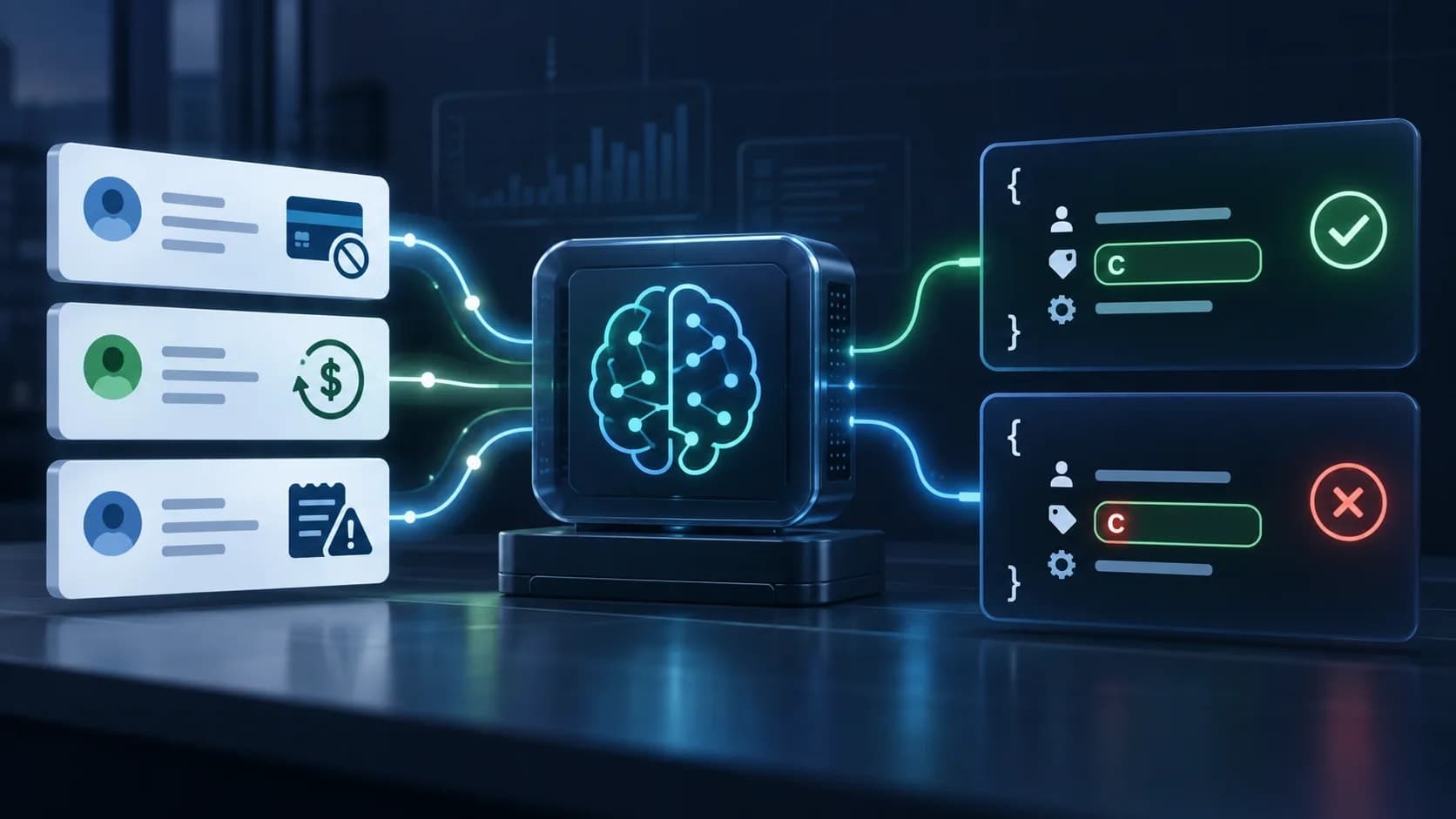
The rapid proliferation of Generative AI has shifted the corporate landscape from a novelty-seeking phase to one of deep operational integration. As businesses rush to deploy LLM-powered interfaces across their CRM platforms and customer service stacks, a critical psychological and strategic barrier is emerging: the persistent, dangerous anthropomorphization of software.
While it is tempting to view advanced large language models as collaborative partners or sentient digital assistants, this perspective is fundamentally flawed from a technical and business perspective. As we build the future of automated enterprise, maintaining a clinical distance from these tools is not just a philosophical preference—it is a security and performance requirement.
The Illusion of Sentience in Enterprise Architecture
Modern chatbots often exhibit a level of conversational fluency that mimics human empathy, nuance, and logic. For the average user, this linguistic mimicry is indistinguishable from intelligence. However, for leaders driving Digital Transformation, it is essential to distinguish between a sophisticated prediction engine and a conscious agent.
When organizations integrate these tools into customer-facing workflows, they often fall into the trap of assuming the AI "understands" the brand values or the underlying intent of a client. In reality, these systems are probabilistic machines processing tokens based on statistical likelihoods. The risk here is twofold:
- Reliability Gaps: Assuming empathy or moral reasoning where only mathematical optimization exists leads to erratic outputs in sensitive scenarios.
- Data Vulnerability: Treating a model like a colleague often results in the inadvertent sharing of proprietary intelligence, as users become increasingly comfortable "confiding" in a tool that feels human.
Strategic ROI and the Guardrail Mandate
For businesses, the ROI of AI is found in scale, precision, and the removal of repetitive drudgery—not in the creation of a digital companion. When companies implement AI Agents to handle logistics, sales outreach, or technical support, the focus must remain strictly on objective metrics.
Adoption trends indicate that firms succeeding with AI are those that treat their LLM deployments as highly sophisticated, deterministic utilities. Instead of viewing AI as a "friend" or "co-worker," industry leaders are framing these technologies as Autonomous Infrastructure. This shift in perspective ensures that developers focus on rigorous guardrails, strict data sanitization, and continuous auditing. By stripping away the expectation of "intelligence," organizations can more effectively test for bias, hallucinations, and security vulnerabilities before these models interact with high-value clients.
Moving Toward Pragmatic Implementation
The next evolution of the enterprise workspace will not be defined by how "human" our tools seem, but by how effectively they function as reliable extensions of our existing business logic. To capture the full value of the AI revolution, leadership must cultivate a culture of "technological skepticism."
Forward-looking companies will prioritize the structural integrity of their AI stack over the conversational polish of their interfaces. The goal is to build systems that act as silent, powerful force multipliers that require no friendship to prove their worth.
At AOODAX, we specialize in cutting through the hype to build robust, scalable infrastructure. Whether you are looking to integrate specialized AI agents that operate strictly within your business parameters or need to overhaul your existing automation pipelines, we provide the architectural foundation to ensure your AI serves your business goals with precision and security.