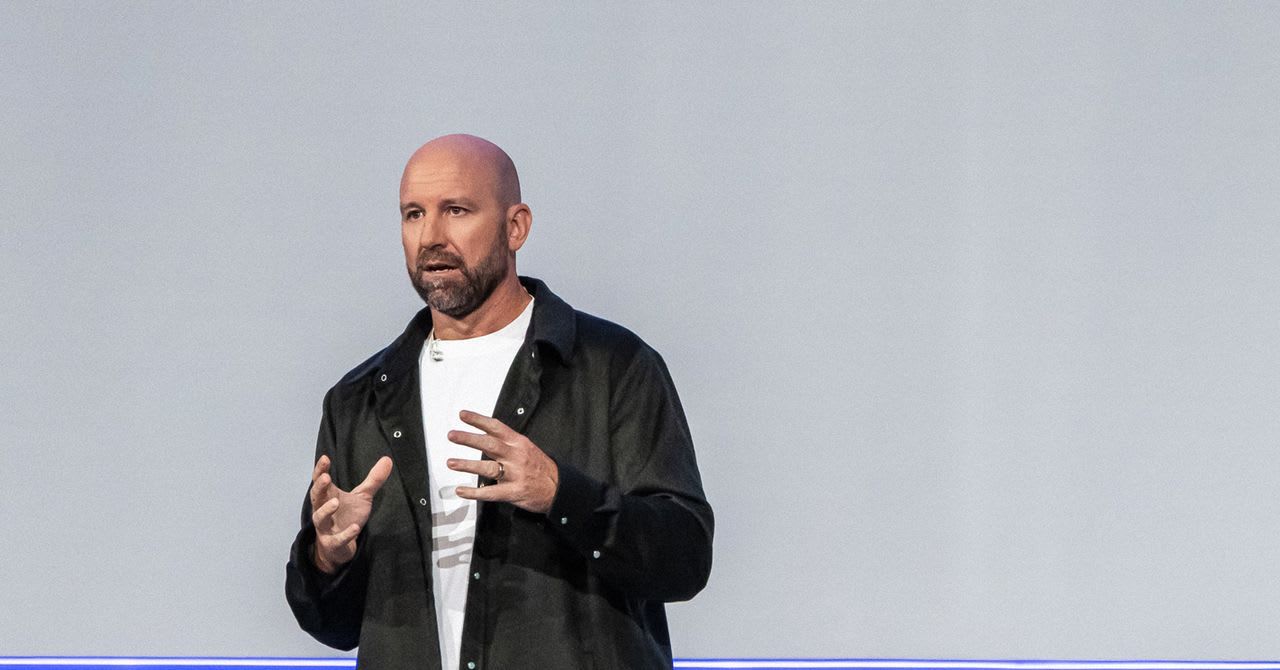
The recent internal admission by Meta CTO Andrew Bosworth regarding the company’s "atrocious" organizational restructuring serves as a sobering reminder for business leaders navigating the current AI gold rush. Even tech giants, with their massive capital reserves and top-tier talent pools, are not immune to the friction caused by rapid pivots. As enterprises worldwide rush to integrate Generative AI and machine learning into their workflows, Meta’s candid reflection highlights a critical bottleneck in digital transformation: the human cost of rapid technological shifts.
The Cost of Organizational Turbulence
For many organizations, the push to adopt Artificial Intelligence often manifests as a chaotic scramble to reorganize teams around new, unproven capabilities. Meta’s experience demonstrates that when internal structural changes happen too quickly—without proper communication or alignment—productivity dips. For business leaders, this is a cautionary tale regarding Return on Investment (ROI).
When you restructure your teams to prioritize AI agents or automation, you risk:
- Talent attrition: Skilled engineers and data scientists often leave when corporate culture becomes unpredictable.
- Operational drag: Employees waste hours navigating new hierarchies rather than building or deploying solutions.
- Stifled innovation: Stability is the bedrock of creative risk-taking; when morale is low, team members tend to play it safe.
Balancing Velocity with Stability
The goal of any modern enterprise should be to maintain velocity in their AI adoption strategy without sacrificing the stability of their core operations. Bosworth’s commitment to restoring workplace perks and improving communication is a strategic pivot to re-anchor the company’s most valuable resource: its people.
For businesses, the lesson is clear: long-term success in the era of automation isn't just about deploying the best LLMs or integrating a sophisticated CRM; it is about creating an environment where employees feel empowered to manage these tools. If your team is confused about how AI automation fits into their daily objectives, the most advanced software in the world will fail to deliver the expected efficiency gains.
Strategic Takeaways for Business Leaders
As you move forward with your own digital transformation initiatives, consider the following approach to maintain equilibrium:
- Prioritize Transparency: Clearly articulate how new AI implementations affect existing roles rather than letting uncertainty fester.
- Iterative Integration: Instead of massive, top-down reorgs, look for modular ways to introduce AI tools into existing workflows.
- Focus on Cultural Buy-in: Ensure your staff views AI not as a displacement tool, but as a force multiplier for their own productivity.
The future of business is undoubtedly tied to the seamless integration of intelligent systems, but this must be done with surgical precision rather than brute force. By balancing technical ambition with structural clarity, leadership can ensure that their AI journey remains sustainable rather than volatile.
Successfully navigating these complex transitions often requires a bridge between your legacy systems and emerging AI capabilities. At AOODAX, we help organizations streamline this integration by designing custom AI agents that automate complex workflows, ensuring your team can focus on high-value strategy while we handle the technical execution.