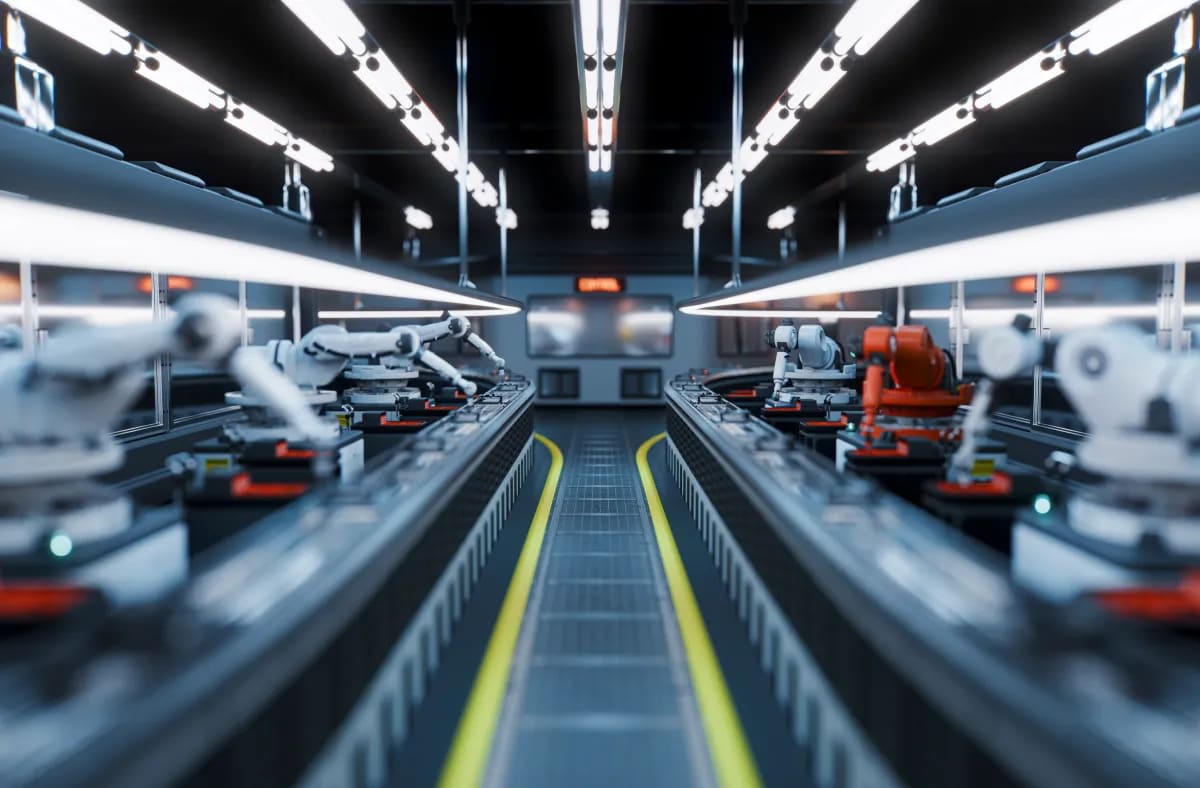
The vision of a future where humans and machines act in concert has long been a staple of science fiction, but in the bustling electronics hubs of Shenzhen, that convergence is becoming a manual reality. We are witnessing the rise of teleoperation, a sophisticated method of bridging the gap between human intuition and mechanical execution. By outfitting workers with high-fidelity VR rigs and motion-capture hardware, companies are effectively extending the human reach into environments that were previously too complex for rigid, pre-programmed automation to navigate.
The Convergence of Intuition and Robotics
At the heart of this shift is the concept of embodied intelligence. Instead of relying solely on autonomous algorithms that struggle with edge cases, firms are deploying human-in-the-loop systems. When a worker in a virtual reality headset moves their arm, a humanoid robot mimics that motion in real-time. This isn’t just about remote operation; it’s about digitizing human dexterity.
For businesses currently grappling with the limitations of "dumb" automation, this development offers a significant shift in operational strategy. These teleoperated systems excel where:
- Non-standardized environments exist, such as cluttered warehouses or repair facilities.
- Precision tasks require subtle adjustments that AI agents have yet to fully master.
- Safety protocols mandate remote intervention to protect personnel from hazardous conditions.
Strategic ROI and the Path to Autonomy
From a business leader’s perspective, the immediate value of teleoperation lies in its ability to solve the "last mile" of industrial automation. While standard robotic process automation (RPA) handles repetitive data entry or predictable physical tasks, teleoperation acts as a bridge. It allows a business to capture high-quality, human-led interaction data.
In the lifecycle of a digital transformation project, this is the training phase. By recording how a skilled technician operates a robot to solve a problem, companies generate the very datasets required to eventually train autonomous AI agents. This creates a clear ROI path:
- Phase One: Human operators use VR to perform complex tasks, ensuring immediate productivity.
- Phase Two: Machine learning models ingest this behavioral data to identify patterns.
- Phase Three: The system transitions from teleoperation to semi-autonomy, with humans stepping in only for exceptions.
This transition is essential for companies looking to optimize labor costs while increasing throughput. It represents a move away from static, brittle workflows toward a more resilient, adaptive infrastructure.
The Future of Workforce Augmentation
Looking ahead, we should expect these hybrid systems to move beyond the factory floor and into service-oriented industries. As the hardware becomes more affordable and the latency of 5G and edge computing drops, the ability to "teleport" a specialist’s skill set to a remote location will become a competitive advantage. Leaders who prioritize the integration of human intelligence with scalable machine platforms will find themselves better positioned to navigate the labor shortages and supply chain complexities defining this decade.
The challenge is no longer about choosing between humans or machines, but about architecting systems where both thrive in tandem. At AOODAX, we specialize in building the custom software infrastructure necessary to bridge these gaps, helping organizations integrate sophisticated automation into their existing enterprise workflows to drive sustainable, long-term efficiency.