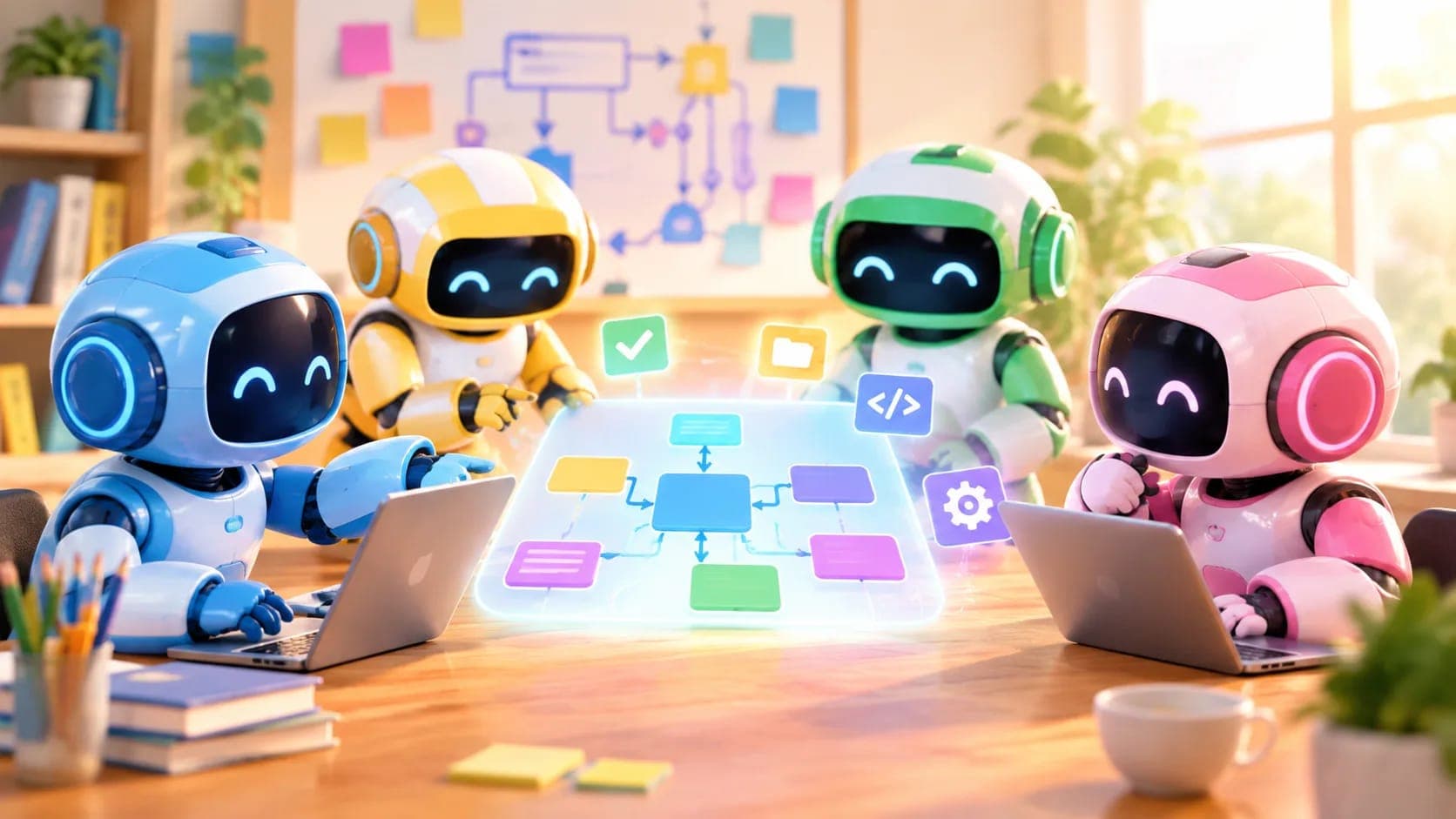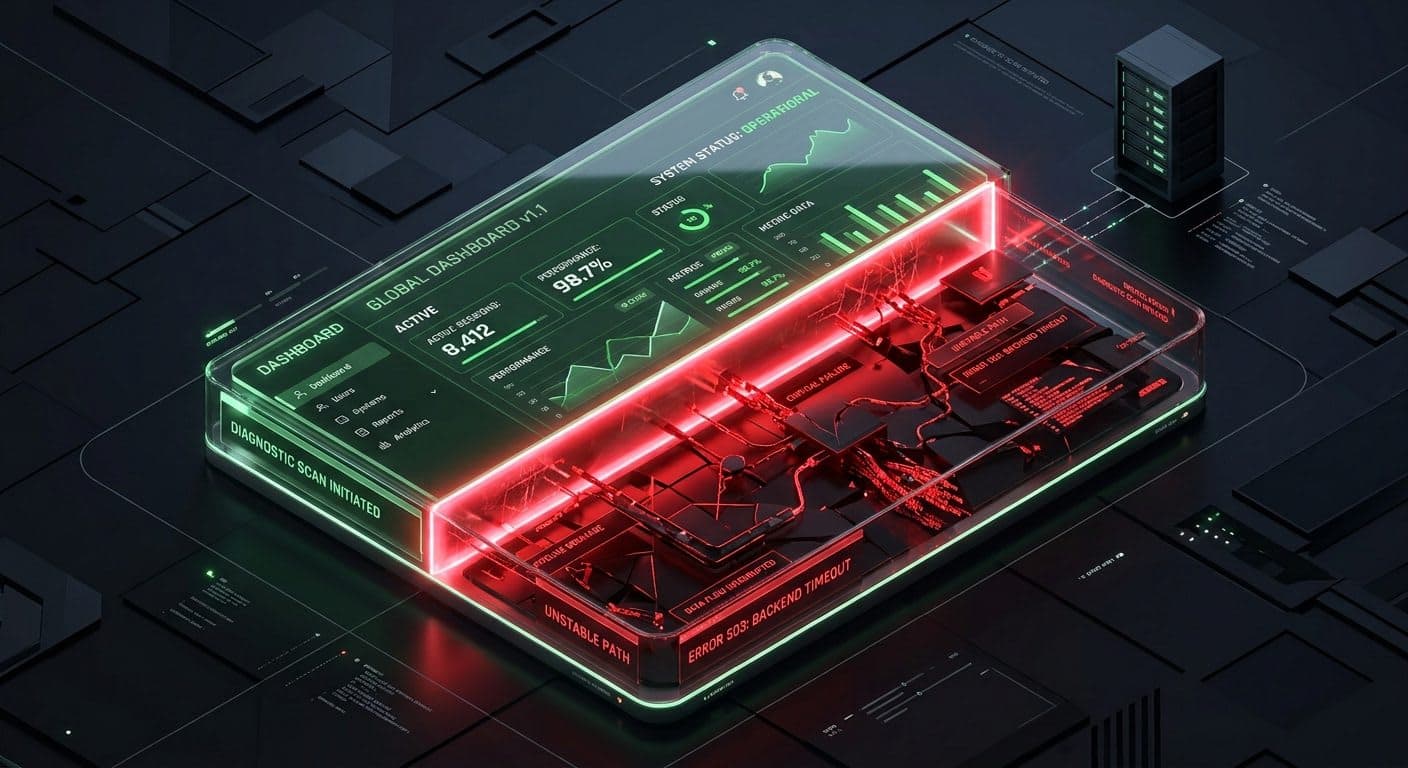
The cybersecurity landscape is undergoing a fundamental shift, moving from static defense to a high-velocity, adversarial game of cat and mouse. For years, the industry narrative surrounding Artificial Intelligence and hacking was dominated by hyperbolic fears of autonomous malware capable of dismantling global infrastructure without human intervention. However, recent evidence suggests a more nuanced reality: the most potent cyber-attacks are not fully autonomous, but rather Human-AI Centric (HAC) operations.
This hybrid model leverages the raw processing power of Large Language Models (LLMs) to perform the heavy lifting of reconnaissance and vulnerability mapping, while reserving high-level strategic decision-making for human operators. For business leaders, this represents a significant shift in the threat model. Your organization is no longer just competing against script kiddies or sophisticated persistent threats (APTs); you are now facing an ecosystem where human intuition is being scaled to a supernatural degree by machine intelligence.
The Synergy of Speed and Strategy
When we look at the evolution of modern penetration testing and adversarial simulations, we see that AI excels at the "boring" parts of hacking—scanning vast codebases, mapping network topologies, and identifying potential entry points in complex CRM (Customer Relationship Management) systems. However, the creative leaps required to exploit a zero-day vulnerability or navigate a non-standard authentication chain still require human intent.
The efficacy of these hybrid attacks stems from the concept of Augmented Adversarial Intelligence. By using AI as a force multiplier, human hackers can:
- Automate Reconnaissance: AI agents can crawl an enterprise’s public-facing digital footprint to identify unpatched plugins or misconfigured cloud buckets in seconds rather than days.
- Generate Contextual Payloads: AI can tailor phishing campaigns or injection scripts to match the specific tone, technical environment, and workflow patterns of a target organization, significantly increasing success rates.
- Rapid Iteration: When a defensive measure blocks an initial probe, the AI can suggest alternatives or reformulate the attack vector in real-time, drastically reducing the "dwell time" between the start of an attack and the breach.
From a business continuity perspective, this means the window of time an IT department has to react to an anomaly has narrowed to almost zero. Automation in the hands of bad actors is forcing a similar level of AI-Driven Defense—if your security stack isn't utilizing automated response protocols, you are essentially trying to stop a bullet with a paper shield.
ROI Implications of the Hybrid Threat
For the C-suite, the rise of human-in-the-loop (HITL) AI attacks has direct implications for the bottom line. Traditional ROI models for cybersecurity were based on static risk assessments and periodic audits. In an environment where threats evolve through real-time, AI-assisted iteration, the old models are dangerously obsolete.
Consider the cost of a data breach involving a modern CRM. These platforms are the lifeblood of digital transformation, storing sensitive customer data, proprietary leads, and transaction history. When an AI-augmented threat actor targets these systems, they aren't just looking for a quick hit; they are performing a surgical strike to exfiltrate high-value intelligence. The financial hit includes:
- Direct Remediation Costs: The expense of neutralizing the threat and rebuilding compromised infrastructure.
- Regulatory Penalties: Increased scrutiny under GDPR, CCPA, or similar frameworks when AI-led automation makes exfiltration more efficient and widespread.
- Operational Downtime: The hidden cost of paused digital workflows while forensic teams manually verify the integrity of the data.
To remain resilient, organizations must pivot toward Continuous Threat Exposure Management (CTEM). This strategy prioritizes the integration of automated security agents that mirror the capabilities of the adversaries. Instead of viewing AI as a singular tool, leaders should view it as an essential layer of the corporate immune system, tasked with identifying vulnerabilities before a human-AI team has the chance to probe them.
Adapting to the New Reality
Adoption trends indicate that industry leaders are moving away from manual compliance checklists and toward "security as code." This involves integrating automated testing into the CI/CD pipeline, ensuring that every deployment is scanned by AI systems designed to spot logic flaws that traditional scanners might overlook.
The goal is not to eliminate human oversight, but to elevate it. By automating the identification of technical vulnerabilities, your high-skilled security professionals can focus on higher-level architecture security and threat hunting. This human-in-the-loop approach for the defenders is the only viable counterweight to the human-in-the-loop strategy being used by the attackers.
Looking forward, the organizations that succeed will be those that treat AI integration as a competitive advantage rather than a defensive necessity. The ability to deploy Intelligent Automation across your digital infrastructure will determine how quickly you can pivot in response to new threats. As these hybrid models become the standard for both offense and defense, businesses must ensure that their technological stack is as agile as the adversaries attempting to breach it.
Understanding the balance between machine efficiency and human strategy is critical for the future of enterprise security. At AOODAX, we specialize in building custom AI agents that help organizations automate their internal workflows, ensuring that your business stays protected and productive by streamlining the complex processes that often leave companies vulnerable to external threats.