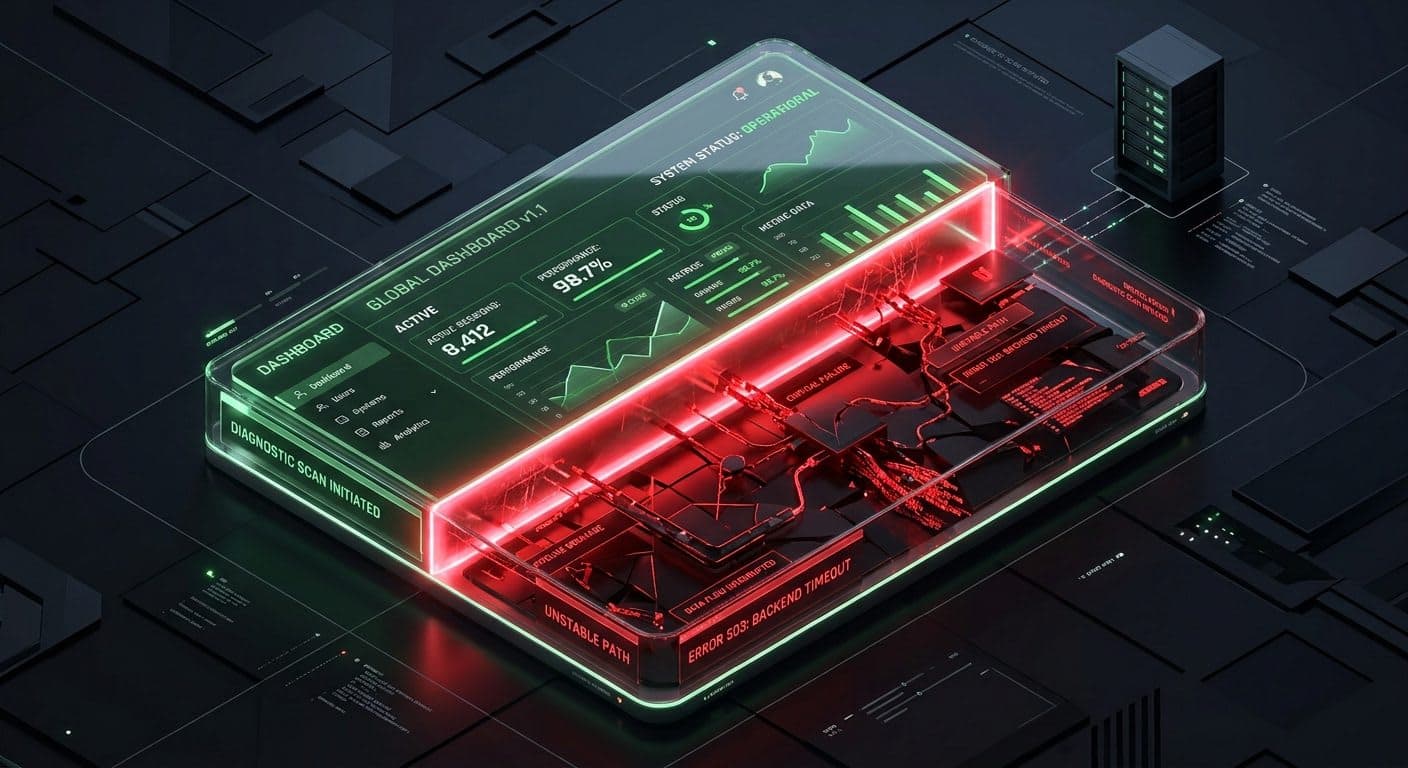
The current fervor surrounding Multi-Agent Systems (MAS) in software development is palpable. We have moved quickly from simple, single-prompt LLM interactions to complex ecosystems where specialized agents—architects, coders, testers, and security reviewers—collaborate to solve intricate engineering problems. Yet, as these systems scale, senior engineering leaders are noticing a recurring pattern: projects stall, features drift, and technical debt accumulates, even when the underlying models are performing at a high level.
The issue is not a failure of language or communication between these agents. Rather, it is a failure of state management. We are treating autonomous agents like human consultants chatting in a boardroom, but we are neglecting the "corporate records" required to ensure those discussions translate into reliable, long-term technical infrastructure. To move beyond the experimental phase, enterprises must shift their focus from mere conversational output to the implementation of a formal Commitment Layer.
The Illusion of Fluid Collaboration
In most current multi-agent architectures, agents operate in a stateless, ephemeral loop. An "Architect Agent" proposes a database schema, a "Coder Agent" writes the implementation, and a "Reviewer Agent" approves it. If the review process involves a complex trade-off—such as choosing between consistency and availability in a distributed system—the agents might arrive at a sound decision during the chat session. However, once the conversation ends, the specific constraints, architectural mandates, and "gentleman’s agreements" made during that dialogue vanish into the token window of the next prompt.
For a business, this is a dangerous bottleneck. If an agent commits to a specific API contract or security protocol, that commitment needs to be etched into the system's "source of truth"—not just hidden in a chat log. Without a structured way to register, track, and enforce these commitments, the software development lifecycle (SDLC) becomes prone to "drift," where different parts of the application silently diverge from the original design intent.
This is where the business impact becomes quantifiable. Companies investing heavily in automated workflows often see a high initial velocity that tapers off as the codebase becomes unmanageable. When agents lack a memory mechanism that enforces cross-modular compliance, the ROI of automation drops because human developers are forced to step in and perform "forensic debugging" to figure out why an agent-written module contradicts a design decision made three sprints prior.
Architecting a Commitment-First Workflow
To solve this, we must transition from conversational orchestration to Declarative State Persistence. A commitment layer is essentially a bridge between the fluid, probabilistic world of LLMs and the deterministic, rigid world of software engineering tools. It acts as a middleware that forces agents to "sign off" on their outputs into a structured database or a version-controlled registry.
A robust commitment layer should integrate the following characteristics to ensure enterprise-grade stability:
- Semantic Contract Registry: Instead of relying on natural language instructions, agents must update a machine-readable schema (e.g., JSON Schema or Protobuf) that serves as the binding contract for all subsequent modules.
- Versioned Decision Logs: Every trade-off made by an agent should be recorded as an immutable log entry. This allows for audits and provides the "context window" for future agents to understand why a particular decision was made, rather than just what was decided.
- Constraint Enforcement Hooks: The commitment layer must act as a gatekeeper. If an agent attempts to write code that violates a previously committed constraint—such as a security mandate or a data residency requirement—the system should trigger a rejection or a mandatory human-in-the-loop intervention.
- Bi-directional Sync with CRM and Project Management: For broader digital transformation efforts, these commitments shouldn't exist in a silo. They must link back to business logic, such as updating CRM requirements or project roadmaps in real-time, ensuring that technical delivery remains aligned with business strategy.
By implementing this layer, enterprises gain more than just reliable code; they gain Auditability. In regulated industries, the ability to trace an architectural decision back to a specific prompt chain—and see the commitment made by the system—is the difference between an AI tool and a production-ready asset.
Scaling AI Agents into the Enterprise
The transition to agents as primary software builders requires moving away from the "chat-as-a-service" mindset. We are entering an era where AI agents function less like chatbots and more like automated stakeholders in a digital corporation. The adoption trend is clear: organizations that treat these agents as transient workers will find themselves buried in technical debt, while those that treat them as part of a formal, documented process will see exponential gains in efficiency.
This shift has profound implications for how we structure our internal platforms. By forcing agents to commit to a layer of persistence, we essentially transform them into a reliable extension of the engineering team. This allows for "Human-in-the-loop-at-scale," where human oversight is focused only on the high-level commitments and architecture, rather than the mundane details of individual function calls.
As business leaders, the takeaway is simple: do not judge your multi-agent system by the quality of its prose. Judge it by its ability to maintain a consistent state across your entire digital ecosystem. The next frontier in AI development is not just about making agents "smarter" or more conversational—it is about giving them the accountability structures that modern business demands.
At AOODAX, we understand that true digital transformation requires moving beyond simple automation to building resilient, agentic workflows that integrate directly with your existing infrastructure. We specialize in helping organizations design and deploy custom AI agents that don't just generate text, but act as reliable partners in your software development and business operations.