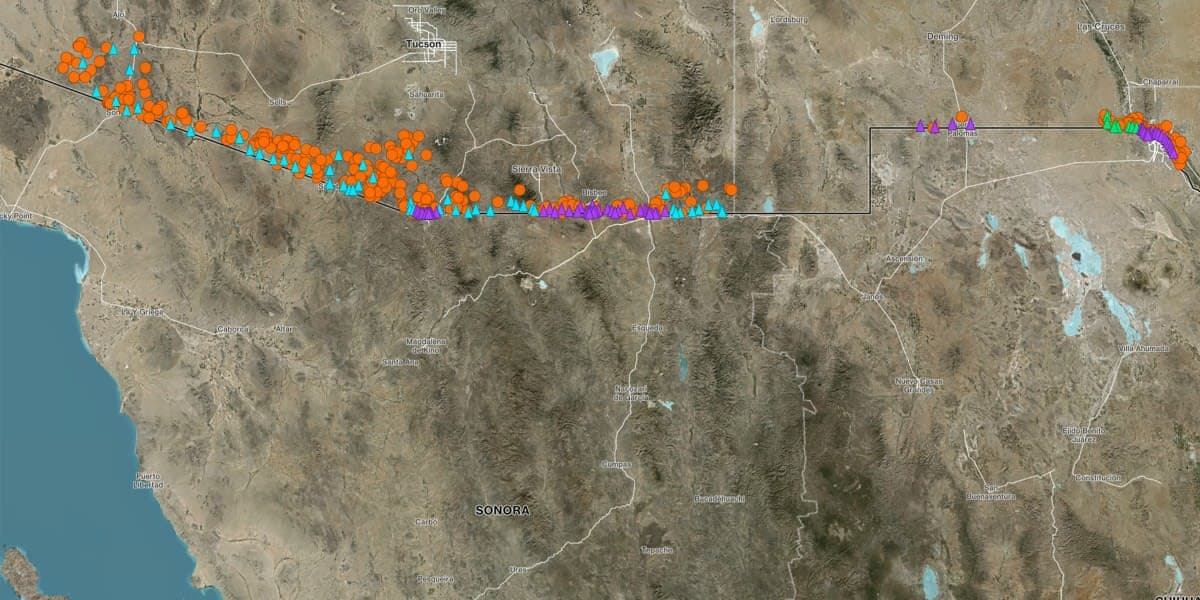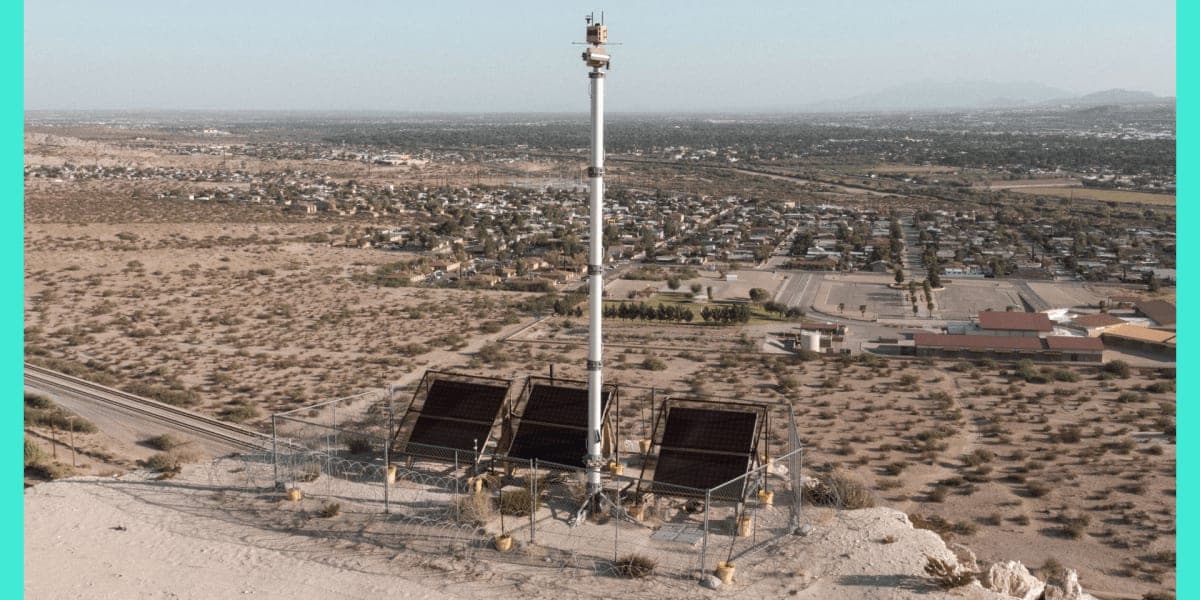
The allure of the "technological silver bullet" is perhaps the most dangerous temptation in modern business leadership. Over the last two decades, we have seen massive government initiatives attempt to replace complex, human-centric geopolitical challenges with vast networks of sensors, data pipelines, and automated surveillance. The "virtual wall"—a sprawling infrastructure of towers equipped with high-definition cameras, radar, and thermal imaging—was billed as an optimization miracle. It promised unprecedented visibility, automated threat detection, and a high return on investment (ROI) through the reduction of manual patrol hours.
Yet, as recent data from deep-dive investigative journalism confirms, this massive capital expenditure has failed to achieve its core performance metrics. Despite billions of dollars in deployment, these automated systems have consistently demonstrated a profound "last-mile" failure. They collect vast oceans of telemetry, but they lack the cognitive integration required to transform that raw noise into actionable intelligence. For business leaders, this serves as a potent parable regarding the limitations of automation when disconnected from a holistic operational strategy.
The Mirage of Passive Automation
In the corporate world, we often see digital transformation projects fall into the same trap as the virtual border wall: the belief that installing the hardware (or the software stack) is equivalent to achieving the outcome. Companies frequently invest in AI-driven analytics platforms or expensive surveillance SaaS suites, assuming that the mere presence of these tools will eliminate operational inefficiencies.
However, the reality of the border wall project reveals a critical truth: Passive surveillance is not the same as active intervention. In the context of enterprise tech, this translates to the difference between a dashboard and an autonomous workflow.
- The Data Silo Trap: Just as border sensors often record movement without prompting an effective, coordinated response, many businesses collect telemetry from their CRM or supply chain tools without an integrated feedback loop.
- False Positive Fatigue: When systems lack sophisticated context, they generate overwhelming amounts of "noise." In the border wall scenario, this leads to operators ignoring alerts. In business, this leads to AI-agent alert fatigue, where employees start to ignore the very systems intended to keep the business running smoothly.
- The Integration Gap: The failure of the virtual wall wasn't a lack of sensors; it was a lack of integration between the technology and the organizational process. If your automated CRM triggers don't result in a meaningful, well-resourced human action, the technology is essentially decorative.
Rethinking ROI and Cognitive Integration
When we evaluate the ROI of any digital transformation initiative, we must look beyond the procurement costs and the flashy feature lists of new AI tools. The virtual wall project reminds us that technology is an force multiplier, but it cannot multiply zero. If your foundational operational processes are broken, throwing complex algorithms at them will only scale the dysfunction.
Business leaders should adopt a more rigorous framework for evaluating the deployment of Intelligent Automation:
- Contextual Awareness over Raw Data: Are your systems capable of understanding the intent behind the data, or are they simply alerting you to motion? Modern AI should focus on decision support rather than mere observation.
- Closing the Loop: Technology should be designed to hand off to humans precisely when human judgment is most needed. The most successful automated workflows are those that identify the exact point where a human must intervene, rather than trying to automate the decision-making process entirely in a vacuum.
- Failure Modes as Design Inputs: The virtual wall failed because it assumed a rigid, predictable pattern of movement. In business, markets are fluid. Your digital infrastructure must be built with the assumption that the environment will change, requiring iterative, agile updates to your AI model parameters.
The lesson for the C-suite is clear: Infrastructure projects—whether physical borders or digital ecosystems—require more than just high-performance sensors. They require an operational philosophy that prioritizes the outcome over the output. If your digital transformation strategy is focused on buying the latest tech without rebuilding your internal logic, you are merely building a more expensive version of a failed status quo.
Designing for Resilience in an Automated Era
The future of enterprise technology is not found in the sheer volume of data ingested, but in the precision of the automated response. As companies pivot toward more autonomous operations, the winners will be those who can differentiate between "monitoring" and "managing." We are moving into an era where AI agents must function as integrated partners in the decision-making process, moving beyond the role of simple digital observers.
This requires a fundamental shift in how we view digital investment. Rather than looking for "walls"—systems intended to wall off or purely observe problems—leaders should look for "bridges"—technologies that connect data to action, and insight to execution. As we look at the next phase of digital maturity, the focus must shift to creating systems that are self-correcting, context-aware, and intrinsically tied to the strategic goals of the organization.
True digital excellence lies in the marriage of high-velocity data and high-quality human oversight. At AOODAX, we help businesses bridge this gap by designing custom AI agents that turn passive surveillance and raw data into active, meaningful workflows that drive real-world results.
![Top AEO Checker Tools for Answer Engine Visibility [2026 Guide]](/_next/image?url=https%3A%2F%2Fres.cloudinary.com%2Fdgq1f2en1%2Fimage%2Fupload%2Fv1790236814%2Faoodax%2Fblog%2Flvyhutfyahjgp8wbnqrb.jpg&w=3840&q=75)