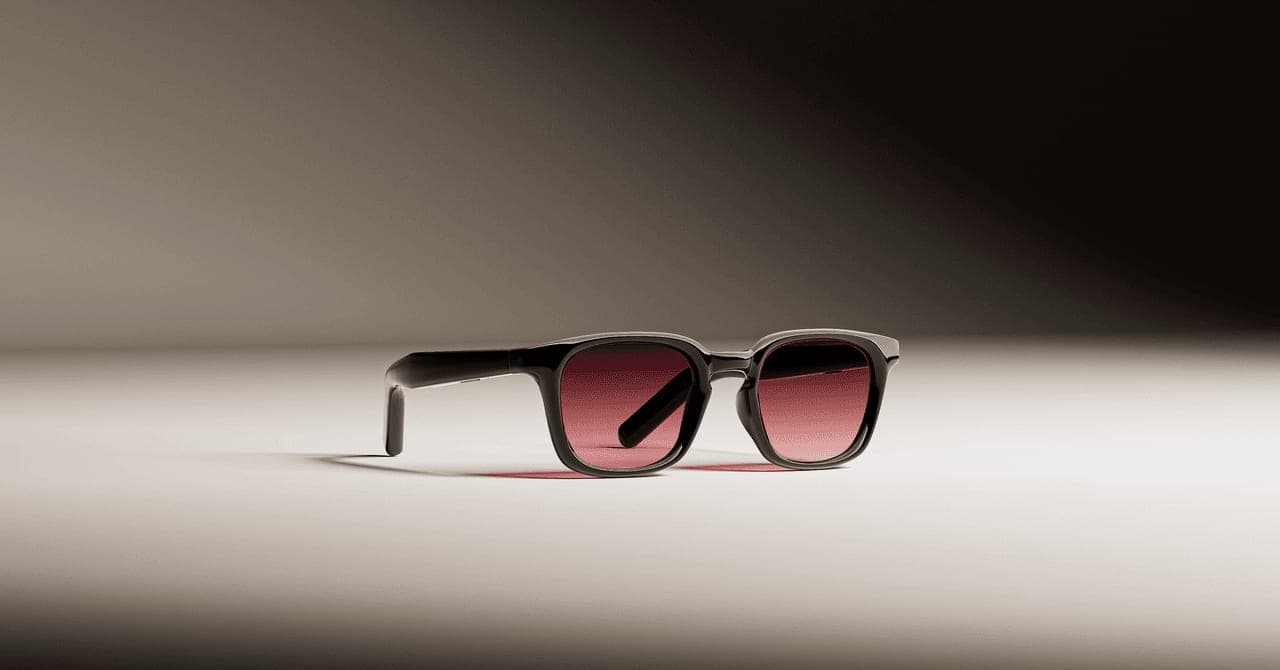
The era of wearable technology is rapidly pivoting away from the "screen-first" obsession that defined the last decade. For years, the industry was tethered to the promise of augmented reality (AR) headsets that would overlay digital interfaces onto our visual field. However, as developers grappled with battery constraints, heat management, and the social stigma of "cyborg-like" hardware, a new, more discreet category has emerged. Leading this charge is Viture with its new Vonder glasses—a piece of hardware that bets on the power of ambient computing and audio-first interaction over heavy visual immersion.
By abandoning the camera and the heads-up display, Viture is making a calculated move to prioritize privacy and mental cognitive load. In a professional environment, this shift is significant. It moves us away from the distraction of constant visual notifications and toward a frictionless, "eyes-up" computing experience where your digital assistant acts more like a silent partner than a visual distraction.
The Shift from Visual AR to Ambient Intelligence
The primary innovation of the Vonder glasses lies in what they choose to omit. By removing cameras, Viture solves the most immediate friction point for enterprise adoption: privacy and compliance. In many corporate environments, security protocols strictly prohibit devices that can record video or take photos in sensitive areas. Furthermore, the reliance on bone-conduction microphones suggests a move toward high-fidelity, private voice-to-text interaction.
For the modern professional, this represents a transition from "interacting with a screen" to "interfacing with an environment." Consider the implications for daily workflows:
- Zero-Distraction Note Taking: Executives can capture insights, action items, or meeting summaries via voice without breaking eye contact or reaching for a smartphone.
- Privacy-First AI Interaction: By processing audio locally or through secure cloud channels, the device acts as a persistent, secure bridge to your company’s internal Large Language Models (LLMs).
- Reduced Cognitive Load: By removing the visual clutter of AR, the user remains present in the physical world, mitigating the "digital fatigue" often caused by smart glasses that demand visual attention.
This is not just a hardware choice; it is a design philosophy that favors Ambient Intelligence. In an office setting, the ability to trigger a CRM update or query an internal knowledge base through a discreet voice command—without needing to unlock a device or navigate a multi-layered application—is the definition of high-efficiency digital transformation.
Business Context and the ROI of Frictionless Input
For business leaders, the potential ROI of "input-only" wearables is found in the optimization of the "Micro-Moment." Most productivity loss in the enterprise stems from the friction between having a thought and recording it. Whether it is a sales lead capturing a client’s preference after a meeting or a field technician noting an equipment issue while both hands are occupied, the Vonder glasses streamline the data entry process.
From an organizational standpoint, the adoption of such hardware can significantly enhance the efficacy of your existing AI Agents. An agent is only as good as the context it receives. If capturing that context remains cumbersome, the data remains siloed in human memory. Wearables that prioritize seamless, hands-free input ensure that data is ingested by your enterprise systems in real-time, fueling better analytics and more accurate decision-making.
Furthermore, as companies lean into Automation, the bottleneck is frequently human input. By deploying unobtrusive, voice-ready wearables, businesses can create a continuous stream of information that flows directly into their internal dashboards, CRM platforms, and task management ecosystems. This shifts the burden of documentation from the employee to the infrastructure, allowing the AI to handle the synthesis while the human focuses on the high-value interaction.
Adoption Trends: The Discreet Revolution
We are currently seeing a cooling of the "Metaverse" hype and a simultaneous warming of "Quiet AI" trends. Professionals are becoming increasingly weary of devices that demand their visual attention. The market is signaling a clear preference for technology that recedes into the background. Viture’s approach positions the Vonder glasses as an accessory to intelligence rather than a replacement for reality.
For businesses looking to integrate this into their digital strategy, the focus should be on the back-end integration. It is not enough to simply hand out wearables; the true value comes when those wearables are tethered to a robust, intelligent back-end.
- Integration with CRM: Voice notes automatically transcribed and tagged to the correct customer record.
- Dynamic Task Management: Spoken tasks automatically populating project management tools like Asana or Jira.
- Real-time Context Retrieval: Querying internal documentation and receiving audio responses in real-time during client consultations.
The forward-looking insight for leaders is clear: stop looking for hardware that tries to replace the screen and start investing in hardware that enhances the human. The goal of future-ready tech is to disappear, leaving behind only the intelligence that makes your business faster, more responsive, and more agile. As we move toward this "eyes-up" future, the winners will be those who can most effectively bridge the gap between their staff's expertise and the AI systems managing their corporate memory.
Implementing this level of seamless connectivity requires a strong foundation in digital architecture. At AOODAX, we specialize in building the custom AI agents that turn raw, voice-captured data into structured, actionable insights, helping your team focus on business strategy while we handle the complexity of the digital integration.