The relentless pursuit of generative AI dominance is rewriting the rules of infrastructure, but a new, uncomfortable reality is emerging: the energy footprint of digital innovation is colliding head-on with the global imperative for sustainability. As companies race to integrate sophisticated AI agents and high-compute automation into their workflows, the backend physical infrastructure required to power these models is reaching a breaking point. Nowhere is this tension more visible than in the evolving relationship between cloud hyper-scalers and energy generation.
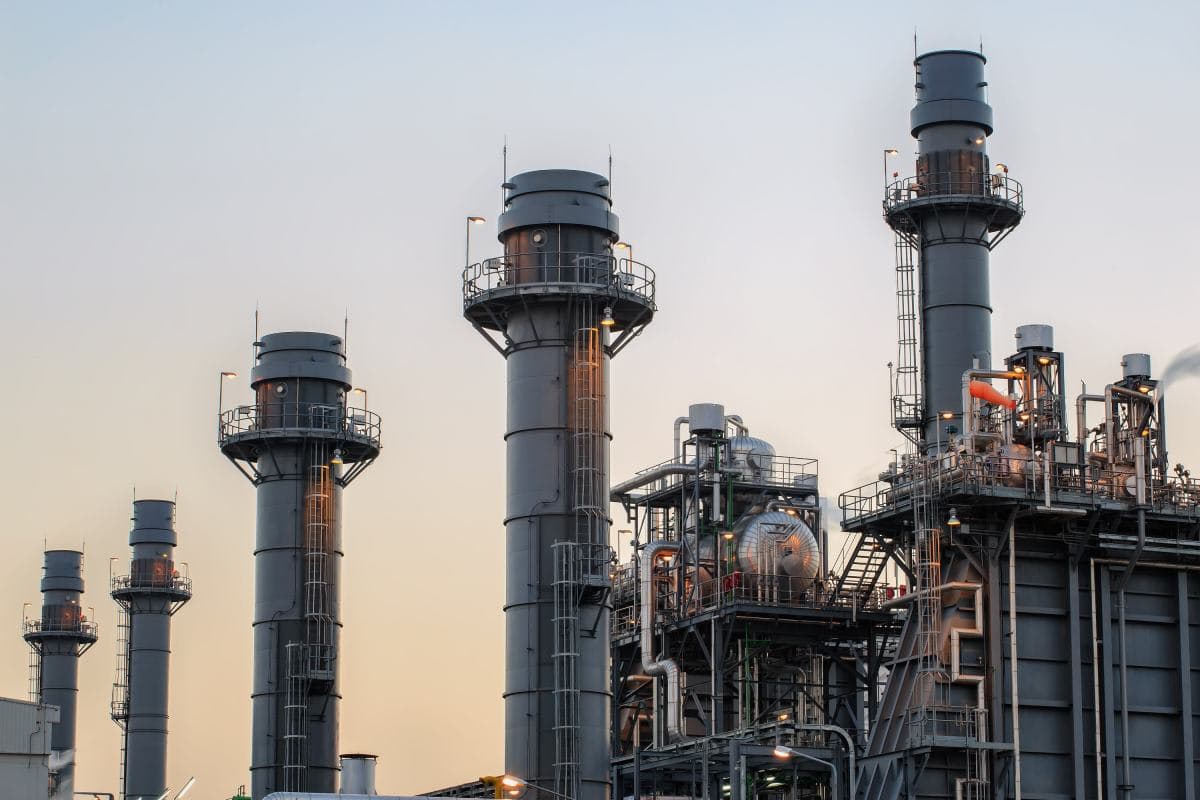
Reports surfacing around a massive proposed data center project in Texas highlight a pivotal shift in how tech giants are securing power. To satisfy the voracious appetite of Large Language Models (LLMs) and the increasing density of server racks, companies are moving beyond simply buying renewable credits; they are now moving toward co-locating significant power generation assets directly on-site. When these assets involve heavy carbon footprints, it creates a massive ESG (Environmental, Social, and Governance) headache that business leaders can no longer afford to ignore.
The Energy-Compute Paradox: Efficiency vs. Expansion
For the modern enterprise, digital transformation has moved from a tactical advantage to a fundamental operational necessity. Whether it is deploying an intelligent CRM (Customer Relationship Management) system that uses machine learning to predict churn or automating end-to-end back-office processes, the demand for "always-on" processing is unprecedented.
However, the trend toward massive, localized power generation for data centers presents a complex ROI calculation. Businesses are currently caught in the middle of two conflicting trends:
- The Compute Demand: AI-driven applications require significantly higher power density than traditional web hosting. Modern GPUs and high-performance computing clusters generate immense heat and require constant, reliable power.
- The Corporate Sustainability Mandate: Shareholders, regulators, and customers are increasingly holding companies accountable for their Scope 3 emissions. If your business relies on cloud services that are powered by localized, carbon-intensive energy sources, your own carbon reporting becomes significantly more complicated.
The move toward on-site power generation is, in many ways, an act of defensive infrastructure strategy. As the national grid struggles to keep pace with the electrification of the economy and the AI boom, tech providers are securing their own "energy autonomy" to prevent latency and downtime. But for the end-user organization, this creates a new layer of risk. If a cloud provider’s primary power source becomes a focal point of environmental regulation or public controversy, the downstream impact on brand perception and compliance is real.
Strategic Infrastructure in an AI-First World
As we look toward the next five years, the "energy cost of intelligence" will become a core KPI for CTOs. We are entering an era where hardware constraints and energy availability will dictate the pace of AI adoption as much as software capabilities do.
To navigate this landscape, business leaders must shift their perspective on cloud strategy:
- Workload Optimization: Not every task requires a massive GPU cluster. Investing in "Right-Sized AI"—matching the complexity of the model to the specific business problem—can reduce compute overhead and lower your carbon footprint.
- Infrastructure Transparency: When evaluating vendor SLAs, don’t just look at uptime and latency. Ask for the specific carbon intensity of the data centers housing your core applications.
- Edge Intelligence: Moving data processing closer to the source (the edge) can mitigate the need for constant, energy-heavy round trips to centralized, massive data centers.
The ROI implications here are long-term. Organizations that prioritize energy-efficient architecture today will likely avoid the "sustainability tax" that is poised to hit enterprises relying on legacy, inefficient cloud models tomorrow. Furthermore, as regulators move toward more stringent carbon reporting, your choice of technology partner will become a critical component of your operational risk management.
Navigating the AI Frontier Sustainably
The future of business is undoubtedly driven by AI, but the foundation upon which that intelligence sits is changing. As we move away from the era of "unlimited compute at any cost" toward a more disciplined, resource-aware approach, the winners will be those who balance technological velocity with infrastructural responsibility.
The goal for any forward-thinking firm is to maximize the utility of their digital assets without ballooning their environmental or operational liabilities. Whether you are seeking to optimize your current stack through smarter automation or looking to implement lean AI agents that deliver maximum output with minimum resource draw, AOODAX specializes in helping businesses build scalable, efficient systems. We provide the custom software and integration expertise necessary to ensure your automation strategy is both high-performing and sustainable.